

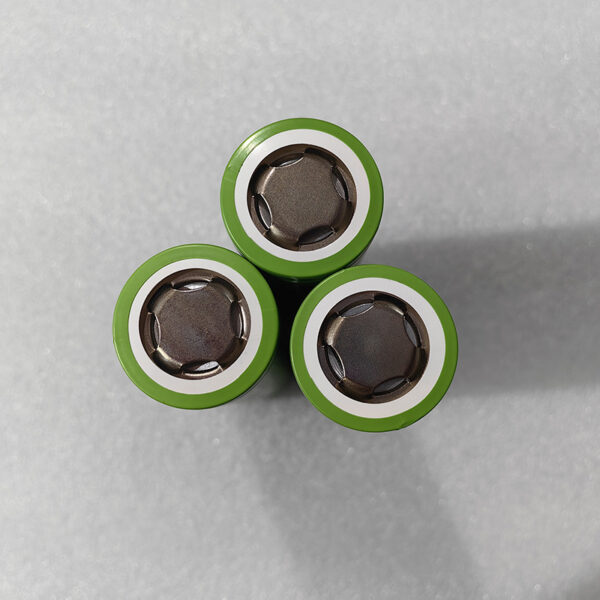
UN38.3 UL CE Certified 46135 Li-ion Cells for Battery Pack – Top 5 Problems & Solutions
Introduction
The 46135 cylindrical lithium-ion cell has emerged as a critical component in modern battery pack applications, particularly for energy storage systems, electric vehicles, and industrial power solutions. However, integrating UN38.3, UL, and CE certified 46135 cells into battery packs presents several technical challenges that manufacturers must address. This article examines the top five problems encountered during battery pack development and provides actionable solutions for B2B clients seeking reliable power solutions. For comprehensive product specifications, visit our cylindrical battery cell catalog.
Problem 1: Thermal Management Inefficiency
Challenge: 46135 cells generate significant heat during high-discharge operations, leading to thermal runaway risks and reduced cycle life.
Solution: Implement advanced thermal management systems using phase change materials (PCM) or liquid cooling plates. Ensure uniform temperature distribution across all cells with a maximum differential of ±3°C. Design battery packs with adequate ventilation channels and thermal insulation between cell layers. Regular thermal imaging inspections during prototype testing help identify hot spots before mass production.
Problem 2: Certification Compliance Gaps
Challenge: Many manufacturers struggle to maintain UN38.3, UL, and CE certification standards throughout the production cycle, resulting in shipment delays and market access restrictions.
Solution: Establish a comprehensive quality management system (QMS) that documents every production batch. Conduct pre-shipment testing for altitude simulation, temperature cycling, vibration, shock, external short circuit, impact, overcharge, and forced discharge as required by UN38.3. Partner with certified battery manufacturers in China who maintain updated certification documentation and testing facilities. Maintain traceability records for at least 10 years to satisfy regulatory audits.
Problem 3: Cell Matching and Consistency Issues
Challenge: Voltage, capacity, and internal resistance variations between 46135 cells cause imbalanced charging, reducing overall pack performance and lifespan.
Solution: Implement strict cell grading protocols with tolerance limits of ±1% for capacity, ±5mV for OCV, and ±2mΩ for internal resistance. Use automated sorting equipment before pack assembly. Incorporate active battery management systems (BMS) with cell balancing capabilities to maintain equilibrium during operation. Conduct formation cycling for 3-5 cycles before final grading to stabilize cell characteristics.
Problem 4: Mechanical Stress and Vibration Damage
Challenge: Battery packs in mobile applications experience continuous vibration and mechanical stress, potentially causing cell deformation, terminal damage, or internal short circuits.
Solution: Design robust mechanical structures with shock-absorbing materials between cells and pack housing. Utilize laser welding instead of spot welding for superior connection strength. Implement potting compounds or structural adhesives to secure cells in place. Conduct vibration testing per IEC 62660-2 standards with minimum 3-axis testing at 10-55Hz frequency range. Add protective end caps and terminal guards to prevent external damage.
Problem 5: Supply Chain and Lead Time Uncertainty
Challenge: Global demand for certified 46135 cells creates supply bottlenecks, affecting production schedules and project timelines for B2B customers.
Solution: Establish long-term supply agreements with multiple qualified manufacturers to diversify risk. Maintain strategic inventory buffers of 8-12 weeks based on consumption rates. Request manufacturers to reserve production capacity for critical projects. Implement demand forecasting systems aligned with customer project pipelines. Consider regional manufacturing partnerships to reduce logistics lead times and customs clearance delays.
Conclusion
Successfully integrating UN38.3, UL, and CE certified 46135 lithium-ion cells into battery packs requires addressing thermal management, certification compliance, cell consistency, mechanical protection, and supply chain reliability. By implementing the solutions outlined above, manufacturers can deliver high-performance, safe, and compliant battery systems for diverse applications.
For technical consultations, custom battery pack development, or certification documentation requests, please contact our team. Our engineering specialists provide comprehensive support from cell selection to final pack validation, ensuring your projects meet all regulatory requirements and performance expectations.
Partnering with experienced manufacturers who understand these challenges significantly reduces development time and ensures market-ready products that satisfy global safety standards and customer expectations.


