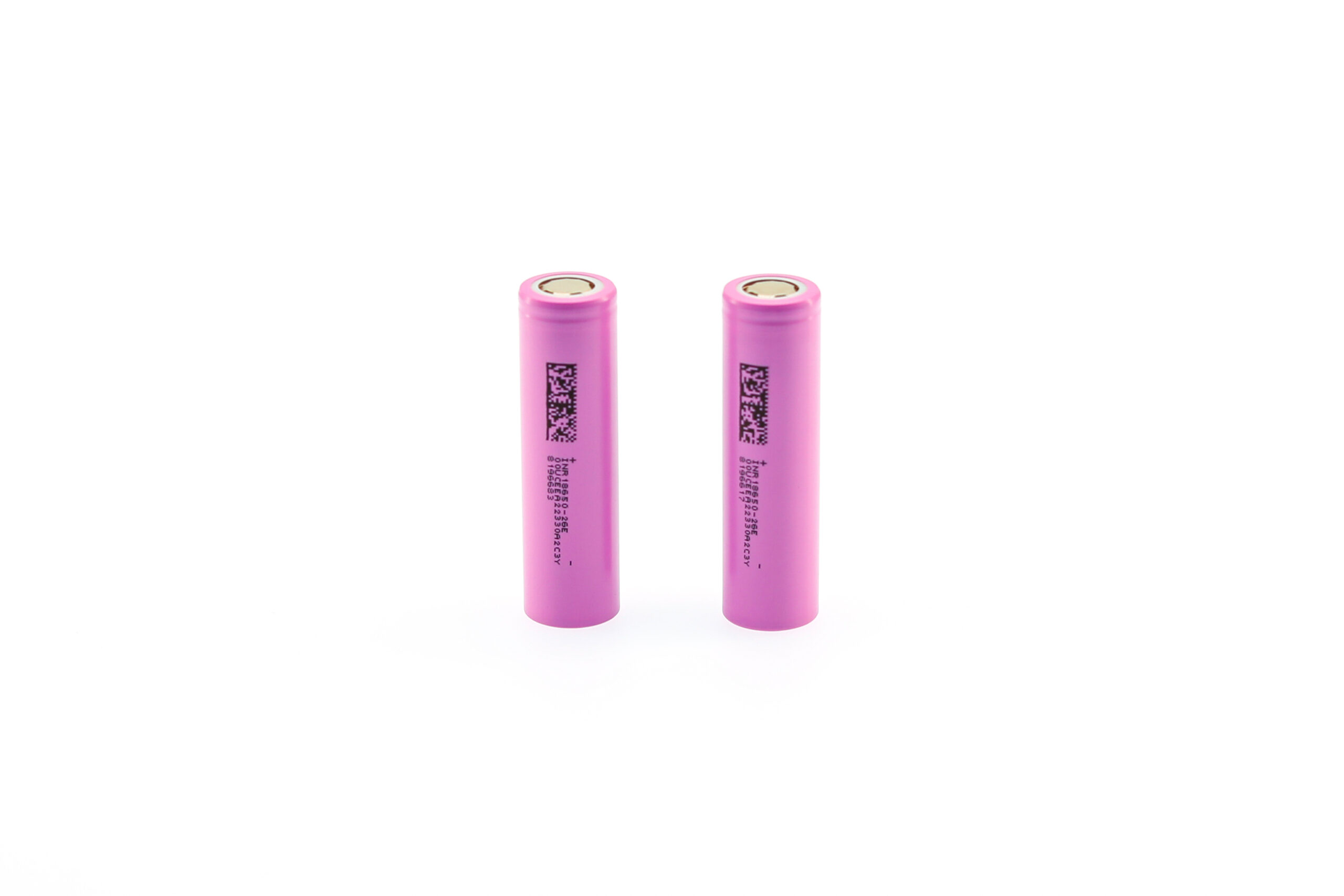
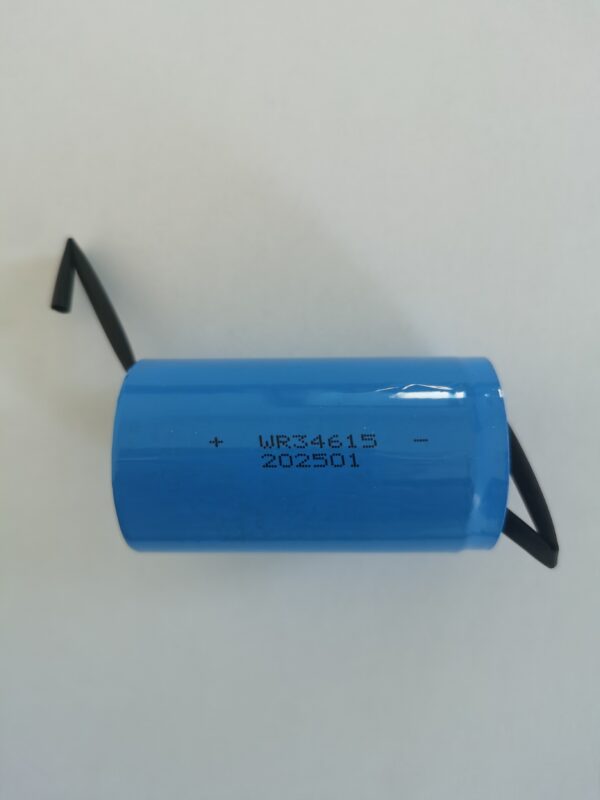
Li-MnO₂ Battery for Wind Turbine Vibration Monitoring Sensors
Powering Reliable Wind Energy Infrastructure with Advanced Primary Lithium Technology
The global wind energy sector continues its rapid expansion, with operational turbines requiring increasingly sophisticated monitoring systems to ensure optimal performance and prevent costly failures. At the heart of these critical vibration monitoring sensors lies a fundamental component often overlooked: the primary power source. Li-MnO₂ (Lithium Manganese Dioxide) batteries have emerged as the industry-preferred solution for wind turbine vibration monitoring applications, delivering exceptional reliability in harsh environmental conditions while minimizing maintenance requirements.
Why Li-MnO₂ Technology Dominates Wind Turbine Sensor Applications
Wind turbine vibration monitoring sensors operate in some of the most challenging environments imaginable. Positioned at significant heights, these devices face extreme temperature fluctuations, high humidity, continuous mechanical vibration, and limited accessibility for maintenance. Li-MnO₂ primary batteries address these challenges through several key technical advantages:
Extended Operational Lifespan: With a storage life exceeding 10 years and annual self-discharge rates below 2%, Li-MnO₂ batteries eliminate the need for frequent battery replacements. This characteristic is particularly critical for wind turbine applications where maintenance access requires specialized equipment and favorable weather conditions, significantly reducing operational costs.
Wide Temperature Performance: Standard Li-MnO₂ cells operate reliably across -40°C to +60°C ranges, with specialized manufacturing processes extending this to -40°C to +80°C. Wind turbines frequently experience temperature extremes that would compromise alternative battery chemistries, making this thermal stability essential for consistent sensor operation.
Stable Voltage Output: Maintaining approximately 3V throughout most of the discharge cycle, Li-MnO₂ batteries provide consistent power to sensitive vibration monitoring electronics. This voltage stability ensures accurate data collection and reliable wireless transmission without performance degradation as the battery depletes.
Technical Specifications for Industrial IoT Deployment
Professional wind turbine monitoring system designers require specific battery characteristics to ensure optimal sensor performance. Li-MnO₂ primary batteries deliver:
- Energy Density: Up to 230Wh/kg enables compact sensor designs without sacrificing operational lifetime
- Low Self-Discharge: Less than 2% per year at room temperature preserves battery capacity during storage and deployment
- Pulse Current Capability: Modern spiral-wound Li-MnO₂ constructions support the high-current pulses required for wireless data transmission
- Safety Features: Glass-to-metal seals, stainless steel containers, and pressure-relief vents ensure safe operation in all conditions
Addressing Wind Industry-Specific Challenges
Wind turbine vibration monitoring presents unique power requirements that distinguish it from other industrial IoT applications:
Remote Location Operations: Offshore and remote onshore wind farms make battery replacement economically prohibitive. Li-MnO₂ technology’s decade-plus service life aligns perfectly with turbine maintenance schedules, enabling synchronized replacement during planned servicing intervals.
Vibration Resistance: The spiral-wound electrode construction in premium Li-MnO₂ cells provides superior mechanical stability compared to alternative designs. This construction method prevents internal component displacement during continuous turbine operation, maintaining electrical integrity throughout the battery’s service life.
Environmental Sealing: Professional-grade Li-MnO₂ batteries feature hermetic sealing that protects against moisture ingress, salt spray (critical for offshore installations), and contaminant exposure. This protection level exceeds standard consumer battery specifications, meeting industrial monitoring requirements.
Integration Considerations for Sensor Manufacturers
When selecting Li-MnO₂ batteries for wind turbine vibration monitoring systems, several factors warrant careful evaluation:
Capacity Matching: Sensor power consumption profiles vary significantly based on sampling frequency, wireless protocol, and processing requirements. Battery capacity should exceed total system consumption by 20-30% to account for temperature-related capacity reduction and end-of-life voltage thresholds.
Certification Compliance: Wind energy installations often require batteries meeting specific safety and transportation certifications. Ensure selected Li-MnO₂ cells carry appropriate UL, IEC, and UN38.3 certifications for your target markets.
Supplier Reliability: Long-term project timelines demand battery suppliers with proven manufacturing consistency and capacity to support multi-year deployments. Established manufacturers provide batch traceability and consistent performance characteristics across production runs.
Economic Advantages for Wind Farm Operators
The total cost of ownership for wind turbine monitoring systems extends far beyond initial component pricing. Li-MnO₂ batteries deliver compelling economic benefits:
- Reduced Maintenance Visits: Extended battery life minimizes specialized maintenance operations, each costing thousands of dollars for offshore installations
- Improved Data Continuity: Reliable power eliminates data gaps caused by premature battery failure, supporting predictive maintenance algorithms
- Lower Inventory Requirements: Long shelf life reduces the need for battery stockpiling and rotation at maintenance facilities
Future-Proofing Wind Energy Infrastructure
As wind turbine monitoring systems evolve toward more sophisticated predictive analytics and edge computing capabilities, power requirements will increase. Li-MnO₂ technology continues advancing to meet these demands through improved energy density, enhanced pulse performance, and extended temperature ranges. Selecting established battery partners ensures access to ongoing technological improvements while maintaining backward compatibility with existing sensor designs.
For wind energy professionals evaluating power solutions for vibration monitoring applications, Li-MnO₂ primary batteries represent the optimal balance of performance, reliability, and economic value. The technology’s proven track record in industrial IoT applications, combined with manufacturer support for custom configurations, positions it as the foundation for next-generation wind turbine monitoring systems.
Explore our comprehensive range of primary lithium battery solutions designed for industrial applications. Visit our product page to discover Li-MnO₂ battery options optimized for wind energy monitoring systems and other demanding IoT deployments.
Ready to discuss your specific wind turbine monitoring power requirements? Our technical team specializes in matching battery specifications to sensor applications. Contact us today for customized solutions and volume pricing information.
Professional lithium battery solutions for the renewable energy sector. Reliable power, proven performance, global support.