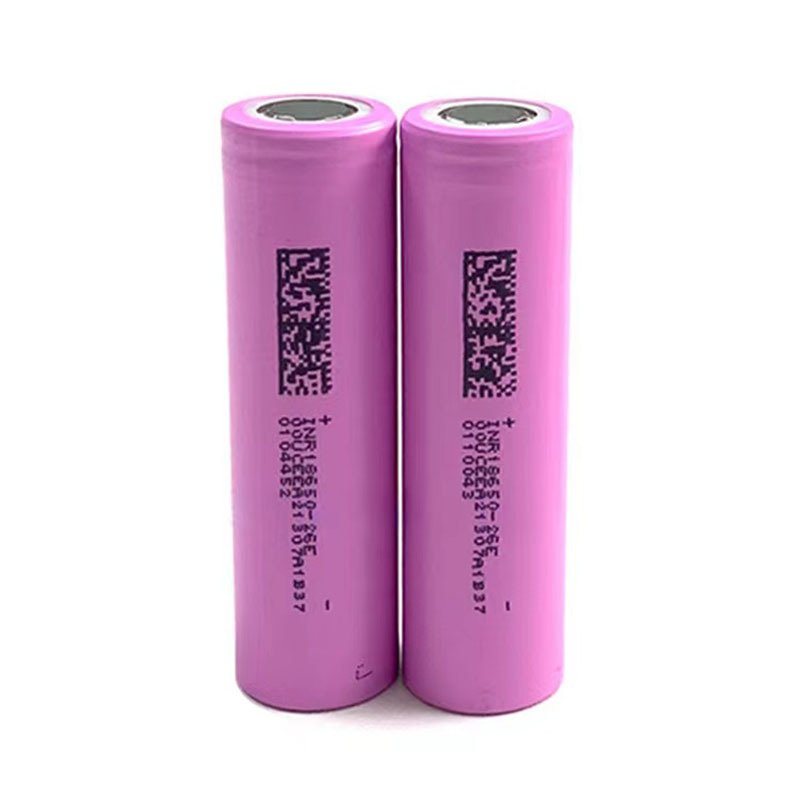
Ultimate Guide to 18650 LFP Cells for Power Tools 2026 – Complete Thermal Runaway Prevention Focus
The power tool industry is experiencing a critical transformation in 2026, with lithium iron phosphate (LiFePO4) 18650 cells emerging as the preferred choice for professional-grade equipment. As battery safety regulations tighten across North America, Europe, and Asia-Pacific markets, understanding thermal runaway prevention has become essential for B2B manufacturers, distributors, and procurement specialists. This comprehensive guide addresses the core safety challenges and provides actionable insights for selecting reliable 18650 LFP cells that meet international compliance standards.
Understanding Thermal Runaway in 18650 LFP Cells
Thermal runaway remains the most significant safety concern in lithium-ion battery applications. Unlike NMC or NCA chemistries, LiFePO4 cells demonstrate superior thermal stability due to their olivine crystal structure. The phosphate-oxygen bonds in LFP cathodes require substantially higher energy to break, raising the thermal runaway initiation temperature from approximately 150°C in conventional lithium-ion cells to over 270°C in LFP chemistry.
For power tool applications, this translates to enhanced safety margins during high-discharge operations. Professional cordless drills, impact drivers, and saws frequently demand continuous discharge rates of 15-25C, generating considerable internal heat. The inherent stability of 18650 LFP cells minimizes the risk of catastrophic failure even under demanding operational conditions.
Key Thermal Management Strategies for Power Tool Applications
1. Cell-Level Protection Mechanisms
Modern 18650 LFP cells incorporate multiple safety features including pressure relief vents, thermal fuses, and shutdown separators. These components work synergistically to prevent thermal propagation. When selecting cells for power tool battery packs, verify that manufacturers provide comprehensive test data demonstrating compliance with UL 2252-2025 and IEC 62133-2 standards.
2. Pack Design Considerations
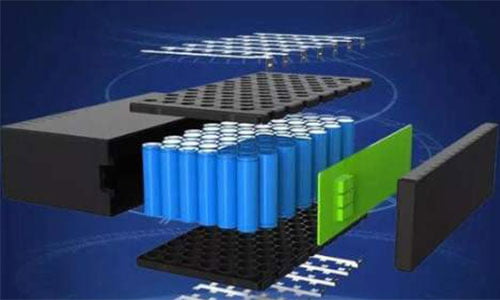
Effective thermal management extends beyond individual cell selection. Battery pack architecture must incorporate adequate spacing between cells, thermal conductive materials, and active or passive cooling systems. For high-power tools, consider implementing phase change materials (PCMs) that absorb excess heat during peak discharge cycles. Research from the Battery Thermal Management Innovation Summit USA 2026 highlights that proper cell spacing can reduce thermal propagation risk by up to 60%.
3. BMS Integration Requirements
A sophisticated Battery Management System (BMS) is non-negotiable for professional power tool applications. The BMS must monitor individual cell voltages, temperatures, and current flow in real-time. Advanced systems incorporate predictive algorithms that identify potential thermal events before they escalate. Ensure your BMS supplier provides documentation demonstrating compliance with regional safety requirements for North American, European, and Asian markets.
Regional Compliance and Certification Requirements
North America: UL 2056-2025 and UL 2252-2025 standards mandate rigorous testing for battery cells used in power tools. Amazon and major retailers now require UL certification documentation before listing battery-powered products. UN38.3 testing remains mandatory for transportation safety.
European Union: The EU Battery Regulation 2023/1542 introduces stricter requirements for battery passport documentation, carbon footprint disclosure, and recycled content minimums. CE marking requires comprehensive technical files demonstrating conformity with EN 62133 and related standards.
Asia-Pacific: Markets including Australia, Japan, and South Korea have adopted modified versions of IEC standards with additional local testing requirements. China’s GB 31241 standard applies to batteries manufactured or sold within mainland China.
Performance Characteristics of 18650 LFP Cells for Power Tools
When evaluating 18650 LFP cells, consider these critical parameters:
- Continuous Discharge Rate: Minimum 10C recommended for professional tools
- Cycle Life: 2000+ cycles at 80% depth of discharge
- Operating Temperature Range: -20°C to 60°C for most applications
- Capacity: 1500-2000mAh typical for high-power variants
- Internal Resistance: Below 35mΩ for optimal efficiency
Recent industry developments show that tab-less cell designs significantly reduce internal resistance and heat generation. Samsung SDI’s award-winning 25U-Power 18650 cell demonstrates how innovative manufacturing techniques can double power output while maintaining thermal stability.
Supply Chain Considerations for B2B Buyers
Sourcing 18650 LFP cells from reliable manufacturers requires thorough due diligence. Verify production capacity, quality management systems (ISO 9001, IATF 16949), and traceability documentation. Established manufacturers in China offer competitive pricing while maintaining international quality standards. For comprehensive manufacturer verification, visit https://cnsbattery.com/battery-manufacturers-in-china/ to access detailed supplier information and compliance documentation.
CNS BATTERY: Your Trusted Partner for 18650 LFP Solutions
CNS BATTERY specializes in premium cylindrical battery cells designed specifically for demanding power tool applications. Our 18650 LFP cells undergo rigorous testing protocols exceeding international safety standards, ensuring optimal performance and thermal stability. Each cell features advanced thermal runaway prevention mechanisms, including multi-layer separators, ceramic coatings, and intelligent venting systems.
Our product line accommodates diverse regional compliance requirements, streamlining your market entry process across North America, Europe, and Asia-Pacific. For detailed product specifications and technical documentation, explore our cylindrical battery cell offerings at https://cnsbattery.com/products-3/cylindrical-battery-cell/.
CNS BATTERY’s commitment to quality extends beyond manufacturing. We provide comprehensive technical support, custom pack design consultation, and expedited certification assistance. Our engineering team works directly with B2B clients to optimize battery pack configurations for specific power tool applications, ensuring maximum performance while maintaining the highest safety standards.
Conclusion
As the power tool industry advances toward electrification, selecting the right 18650 LFP cells becomes a strategic decision impacting product safety, performance, and market accessibility. Prioritizing thermal runaway prevention through proper cell selection, pack design, and BMS integration protects both end-users and brand reputation. Partner with experienced manufacturers who understand regional compliance requirements and can provide documented safety performance data.
For partnership inquiries, technical consultations, or custom battery solutions, contact our international sales team at https://cnsbattery.com/contact-2/. CNS BATTERY stands ready to support your power tool battery requirements with industry-leading 18650 LFP cells engineered for safety, performance, and global market compliance.