
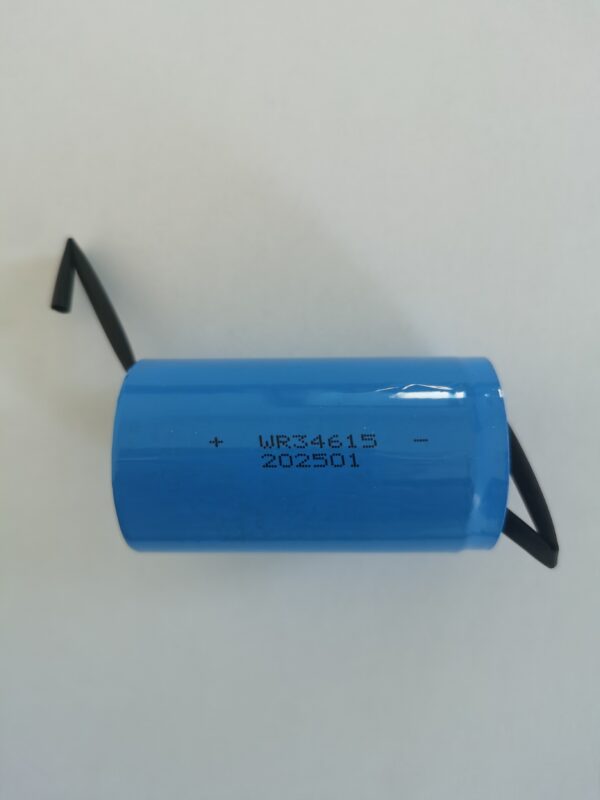
Li-MnO₂ Battery Recycling Options for Consumer Electronics
The rapid expansion of consumer electronics has intensified scrutiny on end-of-life battery management. Among primary battery chemistries, Lithium Manganese Dioxide (Li-MnO₂) batteries dominate applications ranging from medical devices to automotive key fobs and IoT sensors. As environmental regulations tighten globally, B2B stakeholders must navigate compliant, efficient recycling pathways. This article outlines actionable recycling options tailored for Li-MnO₂ batteries in consumer electronics, balancing technical feasibility with regulatory adherence.
Why Li-MnO₂ Battery Recycling Matters
Li-MnO₂ batteries offer high energy density, stable voltage output, and extended shelf life—making them ideal for low-drain devices. However, their disposable nature generates significant waste streams. Unlike rechargeable lithium-ion systems, primary lithium batteries lack established circular economy frameworks. Key drivers for recycling include:
- Regulatory Compliance: The EU Battery Regulation (2023/1542) mandates enhanced collection targets and material recovery rates. Similar legislation is emerging in North America and Asia.
- Resource Recovery: Manganese and lithium represent recoverable value, reducing dependency on virgin mining.
- Environmental Risk Mitigation: Improper disposal risks electrolyte leakage and thermal events during waste processing.
For OEMs and distributors, proactive recycling strategies mitigate compliance risk while strengthening sustainability credentials.
Core Recycling Technologies
1. Pyrometallurgical Processing
Pyrometallurgy involves high-temperature smelting to recover metallic components. Spent Li-MnO₂ cells are incinerated, with lithium reporting to slag phases and manganese concentrated in alloy fractions.
Advantages: High throughput, tolerant of mixed battery chemistries.
Limitations: Energy-intensive; lithium recovery rates remain suboptimal (<60%); manganese often downcycled.
This method suits large-scale recyclers handling heterogeneous waste streams but lacks precision for high-purity material reclamation.
2. Hydrometallurgical Extraction
Hydrometallurgy employs aqueous leaching (acid or alkaline) to dissolve active materials, followed by solvent extraction or precipitation for metal separation.
Advantages: Higher purity recovery (>90% for Mn); lower operating temperatures; adaptable to automation.
Limitations: Chemical consumption generates secondary waste; requires pre-sorting by chemistry.
Recent advances in selective leaching reagents improve manganese-lithium separation efficiency, making hydrometallurgy increasingly viable for dedicated Li-MnO₂ streams.
3. Direct Regeneration (Emerging)
Direct cathode regeneration bypasses full material breakdown, restoring electrochemical functionality through thermal or chemical treatment. While primarily developed for lithium-ion systems, pilot studies explore applicability to primary battery manganese oxides.
Status: Laboratory scale; commercial deployment expected post-2027.
Consumer Electronics-Specific Challenges
Recycling Li-MnO₂ batteries from consumer devices presents unique obstacles:
- Collection Fragmentation: Batteries are dispersed across millions of end-users, complicating reverse logistics.
- Device Integration: Coin cells (e.g., CR2032, CR2477) are often embedded, requiring disassembly before recycling.
- Low Economic Incentive: Per-unit material value is minimal compared to collection and processing costs.
B2B solutions require partnership models—OEMs collaborating with certified recyclers, implementing take-back programs, and designing for disassembly.
Regulatory Landscape and Best Practices
Global compliance demands attention to three pillars:
- Classification: Li-MnO₂ batteries are Class 9 hazardous materials during transport (UN3090/UN3091). IATA DGR 2025 updates reinforce packaging and documentation requirements.
- Labeling: EU regulations require carbon footprint disclosure and recycling symbols on product labels.
- Documentation: Chain-of-custody records must track batteries from collection through final material recovery.
Best practices include:
- Partnering with ISO 14001-certified recycling facilities.
- Implementing battery passport systems for traceability.
- Conducting lifecycle assessments to quantify environmental impact reductions.
Strategic Recommendations for B2B Stakeholders
- Audit Your Battery Portfolio: Identify Li-MnO₂ SKUs and estimate end-of-life volumes.
- Establish Recycler Partnerships: Engage certified partners early; verify their technology stack and compliance certifications.
- Design for Recycling: Minimize adhesives, standardize cell formats, and provide disassembly guidance to downstream processors.
- Monitor Regulatory Evolution: Track regional legislation—particularly EU, California, and China—to anticipate compliance shifts.
Conclusion
Li-MnO₂ battery recycling in consumer electronics is transitioning from voluntary initiative to regulatory imperative. While technical challenges persist, hydrometallurgical routes offer the most promising balance of recovery efficiency and environmental performance. B2B stakeholders who integrate recycling considerations into product design and supply chain planning will secure competitive advantage in an increasingly circular economy.
For comprehensive primary battery solutions and recycling partnership inquiries, explore our product portfolio or contact our team for technical consultation.
Word Count: 892 words
