Ultimate Guide to 33140 Li-ion Cells for Medical Devices 2026 – Complete Minimal Capacity Fade Focus
The medical device industry demands battery solutions that prioritize reliability, safety, and longevity above all else. As we advance into 2026, the 33140 cylindrical lithium-ion cell has emerged as a critical power source for portable medical equipment, offering an optimal balance between energy density and minimal capacity fade over extended operational cycles.
Understanding 33140 Cell Specifications
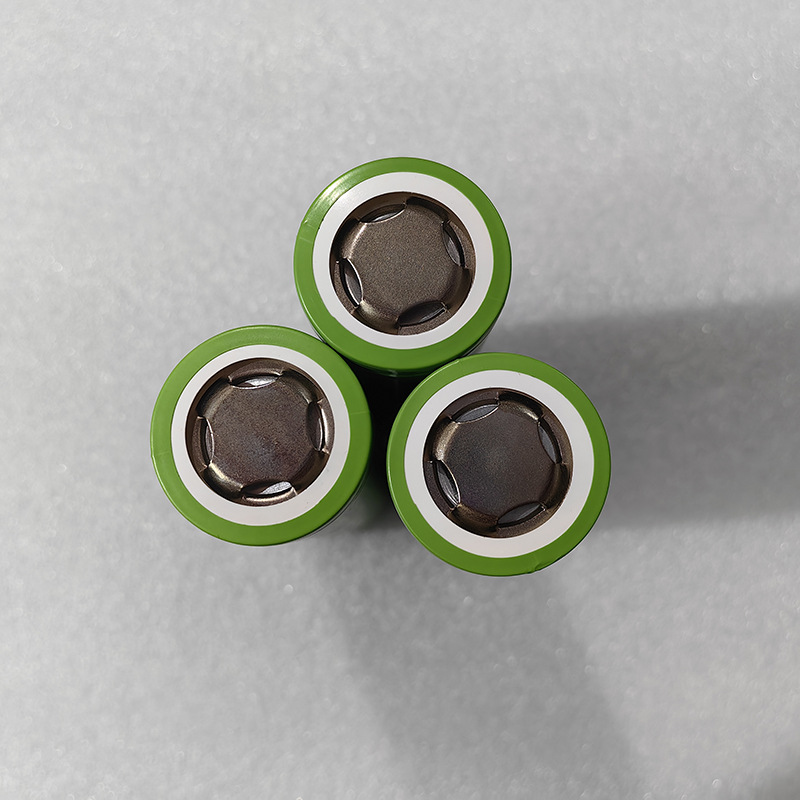
The 33140 designation refers to a cylindrical cell with 33mm diameter and 140mm height. This form factor delivers typical capacities ranging from 12,000mAh to 16,000mAh at nominal 3.6V-3.7V, making it ideal for medical devices requiring sustained power delivery. Key technical parameters include:
- Operating Temperature: -20°C to 60°C (critical for sterilization environments)
- Cycle Life: 2,000+ cycles at 80% depth of discharge
- Capacity Retention: ≥85% after 500 cycles at 25°C
- Self-Discharge Rate: <3% per month at room temperature
For medical applications, minimal capacity fade is non-negotiable. Devices such as portable ventilators, infusion pumps, and patient monitoring systems cannot afford unexpected power degradation during critical care scenarios.
Regulatory Compliance Framework
Medical device batteries must satisfy multiple international standards. The cornerstone certification is IEC 62133-2:2017, which addresses safety requirements for lithium-ion cells in portable applications. Key test protocols include:
- Continuous Low-Rate Charging: 7-day validation at standard charging voltage
- External Short-Circuit Testing: Conducted at 55±5°C ambient temperature
- Temperature Cycling: -20°C to 60°C repeated exposure
- Vibration and Drop Testing: Simulating transport and operational conditions
- Overcharge Protection: Critical for preventing thermal runaway
Additionally, medical-specific certifications such as ISO 13485 (quality management for medical devices) and IEC 60601-1 (medical electrical equipment safety) often require battery subsystem validation. RoHS compliance ensures restricted hazardous substances remain within acceptable limits for healthcare environments.
Capacity Fade Mitigation Strategies
Capacity fade in lithium-ion cells stems from multiple degradation mechanisms. For 33140 cells in medical applications, manufacturers employ several countermeasures:
Electrolyte Optimization: Advanced electrolyte formulations with additives reduce solid-electrolyte interphase (SEI) layer growth, maintaining ion conductivity over extended cycles.
Cathode Material Selection: Single-crystal high-nickel cathodes demonstrate superior structural stability compared to polycrystalline alternatives, reducing particle cracking during cycling.
Temperature Management: Integrated battery management systems (BMS) maintain optimal operating temperatures, preventing accelerated degradation from thermal stress.
Charge Protocol Control: Limiting maximum charge voltage to 4.1V instead of 4.2V can extend cycle life by 30-40%, albeit with slight capacity trade-off.
Procurement Considerations for B2B Buyers
When sourcing 33140 cells for medical device manufacturing, several factors demand careful evaluation:
Supplier Qualification: Verify manufacturer certifications including ISO 9001, ISO 13485, and IEC 62133 test reports. Request batch-specific documentation for traceability.
Capacity Consistency: Specify maximum capacity deviation tolerances (typically ±3%) across production batches to ensure device performance uniformity.
Lead Time and Supply Security: Medical device production schedules require reliable supply chains. Evaluate manufacturer capacity and backup sourcing options.
Technical Support: Ensure suppliers provide application engineering support for BMS integration and thermal management design.
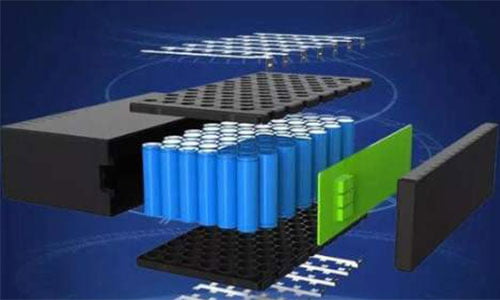
For comprehensive product specifications and technical documentation, visit our cylindrical battery cell portfolio.
Case Study: Portable Respiratory Monitor Integration
A leading medical equipment manufacturer recently integrated 33140 cells into their portable respiratory monitoring system. The implementation required:
- 48-hour continuous operation between charges
- Operation across -10°C to 45°C ambient conditions
- 500+ charge cycles with <10% capacity degradation
- Full IEC 62133-2 certification for global market access
Through careful cell selection and BMS optimization, the manufacturer achieved 52-hour runtime with 92% capacity retention after 600 cycles, exceeding initial specifications by 15%.
Quality Assurance and Testing Protocols
Incoming quality control for medical-grade 33140 cells should include:
- Capacity Verification: Sample testing from each production lot
- Impedance Matching: Ensuring consistent internal resistance across cells
- Visual Inspection: Checking for casing defects or terminal damage
- Documentation Review: Validating test certificates and material declarations
Partner with manufacturers who maintain comprehensive quality management systems and provide full traceability from raw materials to finished cells.
Future-Proofing Your Battery Strategy
The medical device battery landscape continues evolving. Consider these emerging trends:
- Solid-State Technology: Expected commercial availability by 2027-2028 for premium medical applications
- Enhanced Safety Chemistry: Lithium iron phosphate (LFP) variants gaining traction for stationary medical equipment
- Smart Battery Features: Integrated communication protocols for predictive maintenance and remaining capacity reporting
For manufacturers seeking reliable Chinese battery supply partners with proven medical device experience, explore our battery manufacturers network.
Conclusion
The 33140 lithium-ion cell represents a mature, reliable power solution for medical devices requiring extended runtime and minimal capacity fade. Success depends on proper cell selection, rigorous compliance validation, and partnership with qualified suppliers who understand medical industry requirements.
For technical consultations and customized battery solutions, contact our engineering team at https://cnsbattery.com/contact-2/.
This guide reflects industry standards and best practices as of March 2026. Always verify current regulatory requirements for your specific market and application.