2026 Lithium Ion Cylindrical Battery Supplier: Fix Competitive Wholesale Price in EV Using 21700 Cells B2B Export
The global electric vehicle (EV) market continues its rapid expansion in 2026, with cylindrical battery cells—particularly the 21700 format—emerging as the preferred choice for manufacturers seeking optimal balance between energy density, thermal management, and cost efficiency. For B2B buyers and distributors navigating wholesale procurement, understanding the current market dynamics, technical specifications, and compliance requirements is critical to securing competitive pricing and reliable supply chains.
Why 21700 Cells Dominate EV Applications in 2026
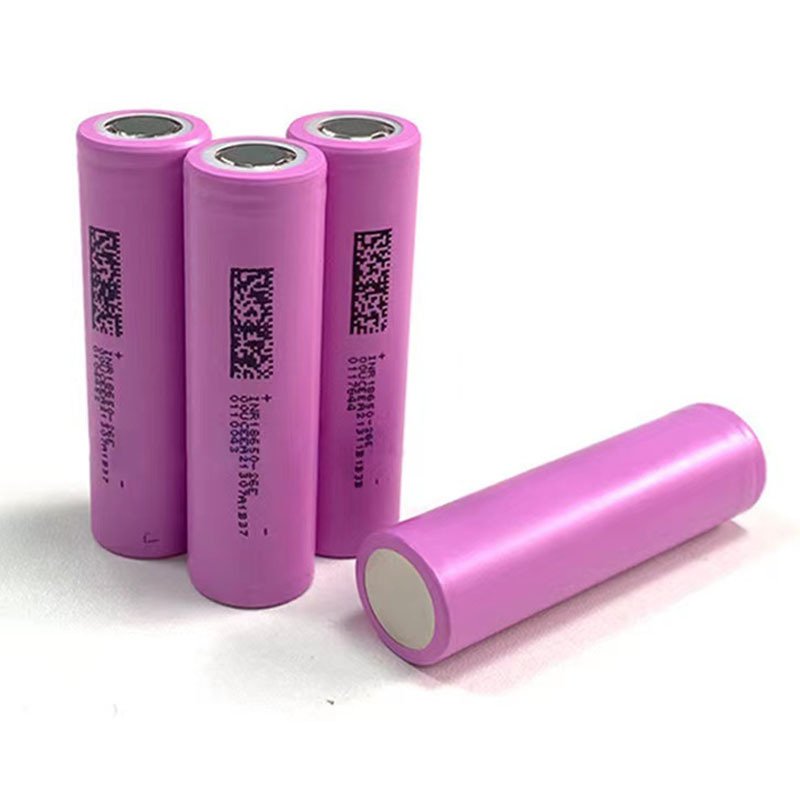
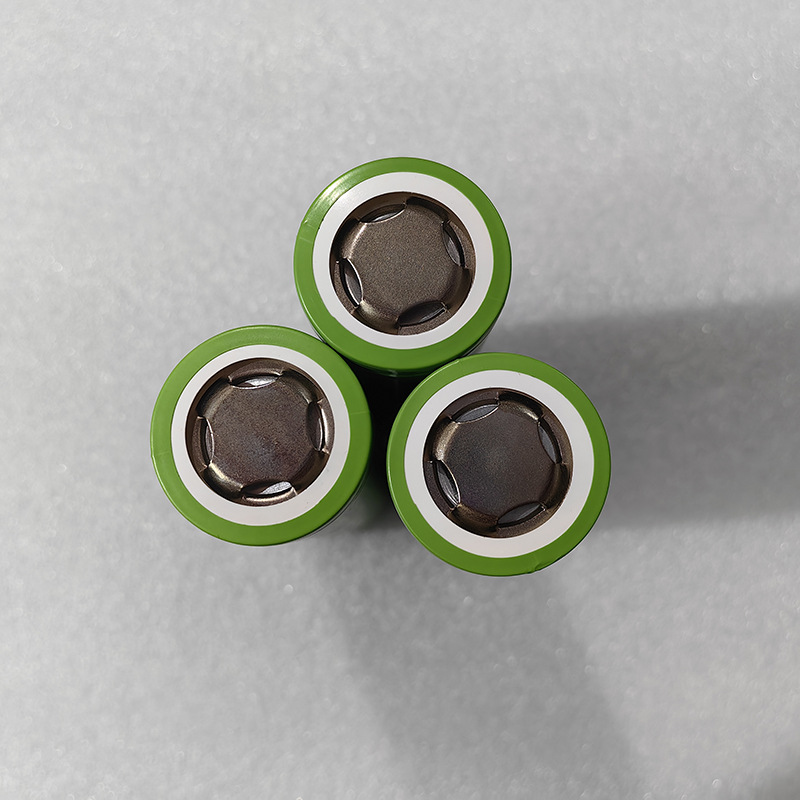
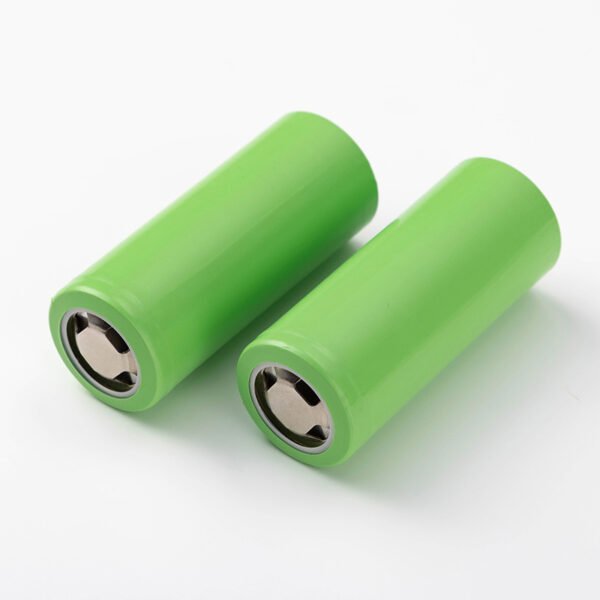
The 21700 cylindrical battery cell has become the industry standard for mid-to-high capacity EV applications. Compared to the legacy 18650 format, the 21700 offers approximately 35-50% higher energy capacity per cell while maintaining compatible manufacturing processes. Typical specifications include:
- Nominal Voltage: 3.6V-3.7V
- Capacity Range: 4,000-5,500mAh
- Continuous Discharge: 10A-25A depending on chemistry
- Cycle Life: 1,500-2,500 full cycles at 80% DOD
This format has been adopted by major EV manufacturers including Tesla, Panasonic, and emerging Chinese OEMs, creating robust demand and economies of scale that benefit wholesale buyers. For detailed product specifications, visit our cylindrical battery cell catalog.
2026 Wholesale Price Landscape
According to recent market analysis from UBS and industry reports, lithium prices are experiencing a structural shift in 2026, with forecasts indicating potential supply deficits in the second half of the year. Current wholesale pricing for Grade-A 21700 cells ranges between $2.25-$3.50 per unit depending on:
- Order Volume: MOQ typically starts at 1,000-5,000 pieces for competitive tier pricing
- Chemistry Type: NCM (Nickel-Cobalt-Manganese) vs. LFP (Lithium Iron Phosphate)
- Certification Level: UN38.3, IEC 62619, UL 1642 compliant cells command premium pricing
- Supply Chain Origin: Direct manufacturer partnerships reduce intermediary costs by 15-25%
B2B buyers should lock in Q1-Q2 2026 contracts to avoid potential price increases projected for late 2026 as demand outpaces production capacity expansion.
Critical Compliance Requirements for Export
International B2B transactions require strict adherence to regulatory frameworks. Key certifications include:
- UN38.3: Mandatory for all lithium battery air/sea freight
- IEC 62619: Safety standard for industrial lithium batteries
- CE/UL: Required for European and North American markets
- RoHS/REACH: Environmental compliance for EU imports
- MSDS: Material Safety Data Sheet for customs clearance
Working with verified manufacturers ensures documentation completeness. For information on qualified battery manufacturers in China, buyers should request audit reports and factory certifications before finalizing purchase orders.
Procurement Best Practices for B2B Buyers
1. Supplier Verification
Conduct thorough due diligence including factory audits, production capacity verification, and reference checks with existing clients. Request sample batches for independent testing before committing to large orders.
2. Contract Terms
Negotiate clear terms covering:
- Price adjustment mechanisms tied to raw material indices
- Delivery timelines with penalty clauses for delays
- Quality guarantee periods (typically 12-24 months)
- After-sales technical support arrangements
3. Logistics Planning
Factor in 45-60 days lead time for production and shipping. Consider regional warehousing options to reduce delivery times to end customers. All shipments must include proper hazard labeling and documentation.
4. Payment Security
Use established trade finance instruments such as Letters of Credit (L/C) or escrow services for first-time transactions. Established partnerships may qualify for 30-60 day payment terms.
Technical Integration Considerations
When integrating 21700 cells into EV battery packs, engineers must account for:
- Cell Matching: Ensure voltage and capacity variance within 3% across parallel groups
- Thermal Management: Design cooling systems for continuous discharge rates above 15A
- BMS Compatibility: Verify battery management system communication protocols match cell specifications
- Mechanical Design: Accommodate cylindrical form factor with appropriate spacing for thermal expansion
Case Study: European EV Fleet Operator
A Netherlands-based electric delivery fleet operator successfully reduced battery procurement costs by 22% through direct manufacturer partnerships in 2025. By ordering 50,000 units of 21700 cells with 18-month forward contracts, they secured pricing stability while receiving full certification documentation for EU compliance. The partnership included quarterly quality audits and dedicated technical support for pack integration.
Moving Forward: Strategic Partnerships
The 2026 battery market rewards buyers who establish long-term relationships with reliable manufacturers rather than pursuing transactional spot purchases. Supply chain resilience, consistent quality, and technical support capabilities outweigh marginal price differences in total cost of ownership calculations.
For B2B buyers seeking reliable 21700 cylindrical battery suppliers with competitive wholesale pricing, comprehensive certification, and export-ready logistics support, professional consultation is recommended. Contact our international sales team at https://cnsbattery.com/contact-2/ to discuss your specific requirements and receive customized quotations based on volume, destination, and technical specifications.
The transition to electric mobility represents a multi-decade opportunity. Strategic battery procurement decisions made in 2026 will directly impact operational costs, product reliability, and market competitiveness for years to come. Partner with verified suppliers who demonstrate commitment to quality, compliance, and long-term business relationships.