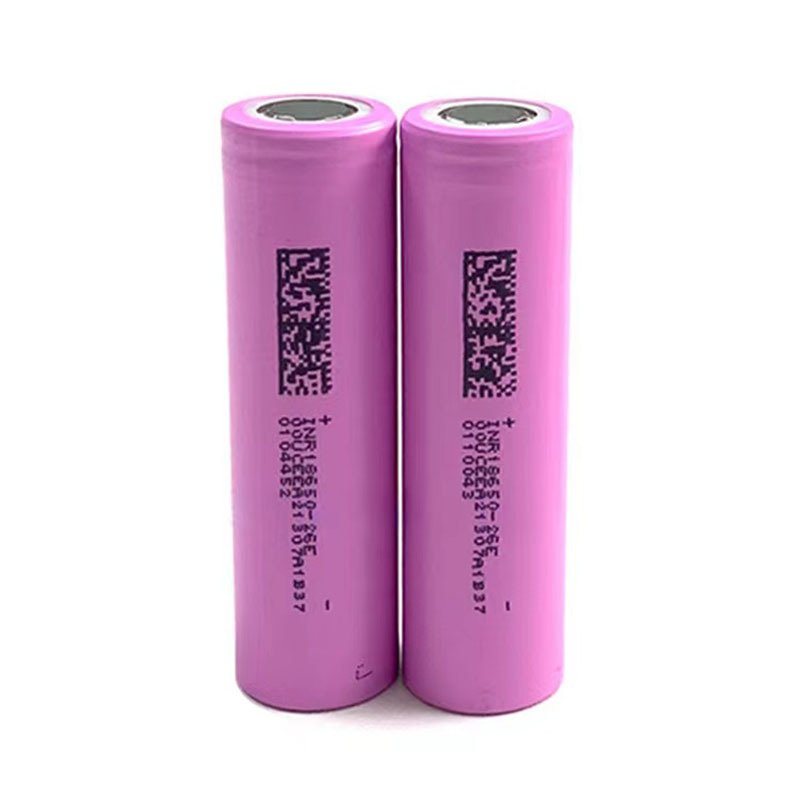
Buy Wholesale 18650 LFP Cells Bulk – High Perfect Cell Matching Performance for EV Top 5 Problems & Solutions
The electric vehicle (EV) industry continues to accelerate globally, with lithium iron phosphate (LFP) batteries emerging as the preferred chemistry for commercial and industrial applications. When sourcing 18650 LFP cells wholesale, understanding cell matching performance becomes critical for system reliability, safety, and longevity. This technical guide addresses the top five challenges EV manufacturers face when procuring bulk LFP cells and provides actionable solutions from a professional battery manufacturer perspective.
Problem 1: Inconsistent Cell Capacity Leading to Pack Imbalance
Technical Analysis: Capacity variation between individual 18650 cells creates uneven charge/discharge cycles within battery packs. When cells with different capacities (e.g., 3200mAh vs 3400mAh) are connected in series, the lower capacity cell reaches full charge or discharge first, triggering BMS protection prematurely. This reduces usable pack capacity by 15-25% and accelerates degradation of weaker cells.
Solution: Implement strict capacity grading during manufacturing. Professional suppliers should provide cells with capacity tolerance within ±50mAh for premium grades. Request detailed binning documentation and conduct incoming quality verification using standardized testing protocols at 0.5C discharge rates.
Problem 2: Internal Resistance (IR) Variation Affecting Thermal Performance
Technical Analysis: Internal resistance directly impacts heat generation during operation. According to Joule’s Law (P=I²R), a cell with 5mΩ higher IR generates significantly more heat at high discharge rates. In EV applications with 100A+ current draws, IR mismatch of just 3-5mΩ between parallel cells causes current imbalance, leading to thermal runaway risks.
Solution: Source cells with IR consistency within ±3mΩ. Advanced manufacturers employ automated sorting equipment with AC impedance testing at 1kHz frequency. Request IR distribution curves and verify testing conditions match your application parameters (temperature, state of charge).
Problem 3: Voltage Matching Issues During Initial Assembly
Technical Analysis: LFP cells exhibit a relatively flat discharge curve (3.2V nominal, 2.5V-3.65V operating range). However, initial voltage differences exceeding 50mV before pack assembly create immediate balancing challenges. The BMS must expend energy equalizing cells before delivering power, reducing first-cycle efficiency.
Solution: Specify pre-shipment voltage matching within ±20mV at 50% SOC. Reputable suppliers maintain cells at optimal storage voltage (3.30V±0.05V) and perform final voltage verification before packaging. Implement incoming inspection protocols measuring OCV after 24-hour rest period.
Problem 4: Cycle Life Degradation from Poor Cell Selection
Technical Analysis: LFP chemistry theoretically delivers 2000-5000 cycles at 80% DOD. However, mismatched cells in packs experience accelerated degradation. The weakest cell determines pack lifespan—when one cell reaches 80% SOH, the entire pack requires replacement regardless of other cells’ condition.
Solution: Demand cycle life test reports from suppliers following IEC 62660 standards. Verify testing includes temperature cycling (25°C-45°C) and realistic discharge profiles. Premium 18650 LFP cells should guarantee 3000+ cycles at 1C discharge with less than 20% capacity fade.
Problem 5: Supply Chain Reliability and Technical Support Gaps
Technical Analysis: EV production schedules depend on consistent cell supply with unchanged specifications. Supplier changes in electrode coating thickness, electrolyte formulation, or separator materials affect cell performance without notice, requiring costly pack redesign and revalidation.
Solution: Partner with established manufacturers maintaining product consistency over multiple production years. Request change notification policies and technical support agreements. Verify manufacturing facilities hold IATF 16949 automotive quality certifications.
Technical Specifications for Premium 18650 LFP Cells
| Parameter | Standard Grade | Premium Grade |
|---|---|---|
| Nominal Capacity | 3200mAh | 3400mAh |
| Capacity Tolerance | ±100mAh | ±50mAh |
| Internal Resistance | ≤35mΩ | ≤30mΩ |
| IR Consistency | ±5mΩ | ±3mΩ |
| Cycle Life | 2000 cycles | 3000+ cycles |
| Operating Temperature | -20°C to 60°C | -30°C to 65°C |
Quality Verification Protocol for Bulk Purchases
Professional buyers should implement three-stage verification:
- Pre-shipment: Request third-party test reports from accredited laboratories (SGS, TUV, UL)
- Incoming Inspection: Sample testing 3-5% of shipment for capacity, IR, and voltage
- Production Validation: Build pilot packs and conduct 100-cycle validation before full production
Partnering with Reliable Chinese Battery Manufacturers
China remains the global hub for LFP cell production, offering competitive pricing without compromising quality when selecting the right partners. Established manufacturers provide comprehensive technical documentation, consistent production quality, and responsive engineering support for international buyers.
For detailed technical specifications and bulk pricing on premium 18650 LFP cells, explore our cylindrical battery cell product range. Our manufacturing facilities maintain strict quality control protocols ensuring cell matching performance meets EV industry standards.
When evaluating potential suppliers, verify their manufacturing capabilities and quality certifications through our comprehensive guide on battery manufacturers in China. This resource helps international buyers identify partners with proven track records in automotive-grade cell production.
For technical consultations, custom specifications, or bulk order inquiries, our engineering team provides direct support. Contact us through our official contact page to discuss your specific EV battery requirements and receive detailed quotations within 24 hours.
Conclusion: Successful EV battery pack development depends on selecting properly matched 18650 LFP cells from reliable suppliers. By addressing these five critical problems through proper technical specifications, quality verification, and manufacturer partnerships, EV manufacturers can achieve optimal pack performance, extended service life, and reduced warranty costs. Prioritize cell matching consistency over initial price savings—the long-term reliability of your battery system depends on it.