

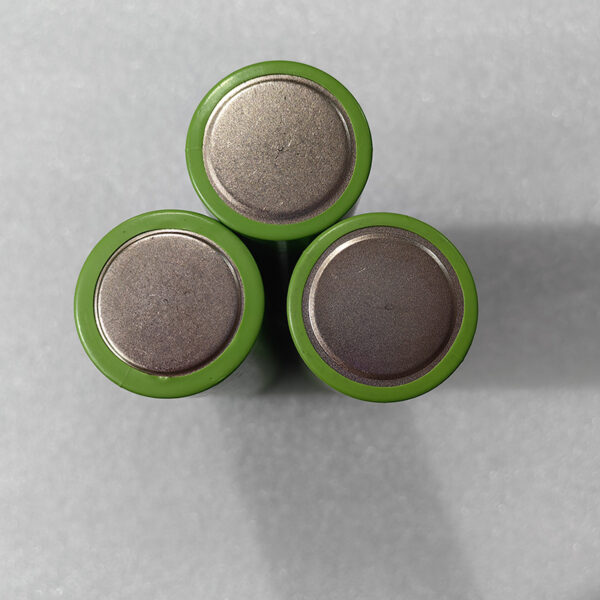
Top 5 BMS Compatibility Solved Problems with 32700 Cells in Battery Pack Assembly Applications & Solutions Wholesale Bulk MOQ
Introduction
In the rapidly evolving landscape of energy storage systems, the 32700 cylindrical lithium battery cell has emerged as a preferred choice for high-capacity applications ranging from solar energy storage to electric mobility solutions. However, integrating these cells into battery pack assemblies presents significant Battery Management System (BMS) compatibility challenges that engineers and technical purchasers must address. This article examines the five most critical BMS compatibility issues encountered with 32700 cells and provides actionable solutions for wholesale bulk procurement scenarios.
1. Voltage Range Mismatch and Communication Protocol Integration
The 32700 LiFePO4 cell typically operates within a voltage range of 2.5V to 3.65V, which differs substantially from standard 18650 or 21700 configurations. Many conventional BMS units are calibrated for different chemistry profiles, leading to inaccurate State of Charge (SOC) estimation and premature protection triggering.
Technical Solution: Implement BMS systems with configurable voltage thresholds supporting CANBUS or RS485 communication protocols. Modern BMS controllers like the TI BQ78350-R1A offer CEDV algorithms that can be customized for 32700 cell characteristics. Ensure the BMS firmware supports individual cell voltage monitoring with ±0.015V resolution for optimal pack balancing.
2. Thermal Management and Temperature Sensor Placement
32700 cells generate considerable heat during high-current discharge cycles, particularly in configurations exceeding 100Ah capacity. Inadequate thermal monitoring can lead to thermal runaway conditions or reduced cycle life.
Technical Solution: Deploy distributed temperature sensing with minimum 3-5 NTC thermistors strategically positioned across the battery pack. The BMS should incorporate temperature-compensated charging algorithms that adjust current limits based on real-time thermal data. For wholesale applications, specify BMS units with operating temperature ranges from -20°C to +60°C to accommodate diverse installation environments.
3. Cell Balancing Efficiency in Large-Series Configurations
When assembling 32700 cells in 16S or higher series configurations, passive balancing becomes insufficient for maintaining cell voltage uniformity. Voltage divergence exceeding 50mV between cells can significantly reduce usable pack capacity.
Technical Solution: Utilize active balancing BMS architectures capable of 1-5A equalization current. Active balancers redistribute energy from higher-voltage cells to lower-voltage counterparts rather than dissipating it as heat. For bulk procurement, prioritize BMS suppliers offering stackable designs that support parallel expansion without communication conflicts.
4. Current Sensing Accuracy and Protection Threshold Calibration
32700 cells commonly support continuous discharge rates of 3C to 5C, requiring precise current sensing for over-current protection. Hall-effect sensors with inadequate accuracy can trigger false positives during legitimate high-power operations.
Technical Solution: Specify BMS units incorporating high-precision shunt resistors or Hall-effect sensors with ±1% accuracy ratings. Configure protection thresholds with appropriate time-delay parameters to distinguish between transient load spikes and genuine fault conditions. For wholesale buyers, request BMS manufacturers to provide customizable protection parameter sheets aligned with your specific application requirements.
5. State of Health (SOH) Monitoring and Predictive Maintenance
Long-term deployment of 32700 battery packs requires sophisticated SOH tracking to predict maintenance intervals and prevent unexpected failures. Basic BMS systems often lack the computational capacity for advanced health algorithms.
Technical Solution: Select BMS platforms featuring integrated SOH estimation using impedance tracking and cycle-counting methodologies. Systems supporting cloud connectivity enable remote monitoring and predictive analytics. For bulk orders exceeding 500 units, negotiate firmware customization options that align with your maintenance protocols and reporting requirements.
Wholesale Procurement Considerations
When sourcing 32700 cells and compatible BMS solutions for large-scale projects, several factors influence total cost of ownership and system reliability. Minimum Order Quantity (MOQ) typically ranges from 100-500 cells for standard specifications, with volume discounts available for orders exceeding 10,000 units. Technical purchasers should verify supplier certifications including UN38.3, IEC62619, and UL1973 compliance.
For comprehensive product specifications and wholesale pricing on cylindrical battery cells, technical teams can access detailed datasheets covering capacity variants from 4500mAh to 6500mAh. Established battery manufacturers in China offer integrated solutions combining cell supply with BMS integration support, reducing compatibility risks during assembly.
Conclusion
Successfully deploying 32700 battery cells in commercial applications requires careful attention to BMS compatibility across voltage monitoring, thermal management, balancing efficiency, current protection, and health tracking dimensions. By addressing these five critical areas during the design and procurement phases, engineers can maximize pack performance while minimizing field failure rates.
For technical consultations regarding 32700 cell integration projects or wholesale bulk quotations, our engineering team provides comprehensive support from initial design review through production scaling. Contact our specialists at https://cnsbattery.com/contact-2/ to discuss your specific application requirements and receive customized BMS compatibility recommendations aligned with your project timeline and budget constraints.


