Low Temp Cylindrical Battery For E-Bike | CNS BATTERY
Introduction
Electric mobility continues to expand into colder climate regions, creating unprecedented demand for battery solutions that maintain performance in sub-zero conditions. Low temperature cylindrical battery technology has emerged as a critical enabler for e-bike manufacturers targeting global markets. This article examines the technical specifications, performance characteristics, and selection criteria for cylindrical battery cells optimized for cold weather e-bike applications.
Understanding Low Temperature Battery Challenges
Lithium-ion batteries experience significant performance degradation when ambient temperatures drop below 0°C. The electrolyte viscosity increases, lithium-ion diffusion rates decrease, and internal resistance rises substantially. For e-bike applications, this translates to reduced capacity, diminished power output, and extended charging times.
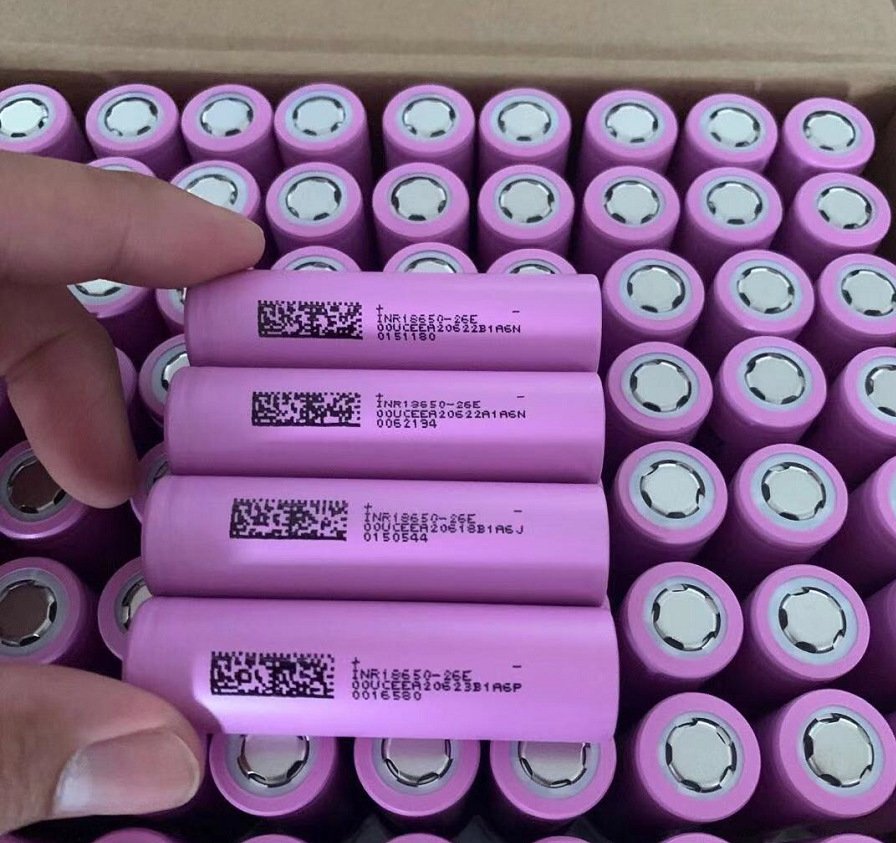
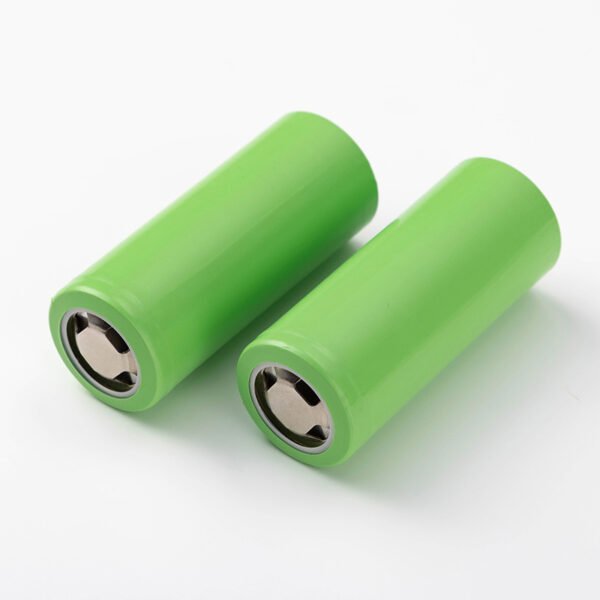
Cylindrical battery cells offer inherent advantages in cold weather performance compared to alternative form factors. The standardized dimensions (typically 18650, 21700, or 26650) enable efficient thermal management system integration. The metal casing provides superior heat dissipation characteristics while maintaining structural integrity across temperature ranges from -40°C to +60°C.
Key Technical Specifications for Cold Climate E-Bikes
When evaluating low temperature cylindrical battery solutions, engineers should prioritize the following parameters:
Operating Temperature Range: Premium cylindrical cells designed for cold climates maintain 80%+ capacity retention at -20°C. Advanced electrolyte formulations with low-temperature additives reduce freezing points and maintain ionic conductivity.
Discharge Rate Performance: C-rate capabilities must remain stable across temperature variations. Quality cells deliver consistent power output even at -30°C without voltage sag exceeding 15%.
Cycle Life Expectations: Cold weather operation accelerates degradation mechanisms. Expect 800-1500 full cycles at standard conditions, with approximately 20% reduction when regularly operating below -10°C.
Safety Features: Integrated PTC devices, CID mechanisms, and thermal runaway prevention become increasingly important in extreme temperature applications where thermal management systems face greater stress.
CNS BATTERY Cylindrical Cell Solutions
CNS BATTERY specializes in cylindrical battery cell manufacturing with specific product lines engineered for low temperature e-bike applications. Their cylindrical battery cell portfolio includes chemistries optimized for cold climate performance, featuring advanced electrolyte systems and electrode coatings that minimize impedance growth at sub-zero temperatures.
For technical procurement teams evaluating suppliers, understanding manufacturing capabilities proves essential. China has established itself as a global hub for battery production, with numerous facilities meeting international quality standards. Working with established battery manufacturers in China provides access to competitive pricing without compromising on quality certifications including UN38.3, IEC62133, and UL standards.
Integration Considerations for E-Bike Manufacturers
Successful low temperature battery implementation requires holistic system design. Battery management systems (BMS) must incorporate temperature compensation algorithms that adjust charging parameters based on cell temperature. Pre-heating circuits become necessary when charging below 0°C to prevent lithium plating.
Thermal insulation strategies protect battery packs from rapid temperature fluctuations. Phase change materials and aerogel insulation layers maintain cell temperatures within optimal ranges during operation. Active heating systems, while consuming additional energy, ensure reliable performance in extreme cold conditions.
Quality Verification and Testing Protocols
Procurement teams should request comprehensive test data including:
- Temperature-dependent capacity curves (-40°C to +60°C)
- Impedance spectroscopy across temperature ranges
- Cycle life data at various discharge rates and temperatures
- Safety test certifications from recognized laboratories
Third-party validation provides confidence in manufacturer claims. Independent testing verifies capacity retention, power delivery, and safety characteristics under realistic operating conditions.
Supply Chain and Technical Support
Long-term partnership considerations extend beyond initial product specifications. Reliable suppliers maintain consistent quality across production batches, provide technical documentation in English, and offer engineering support throughout product development cycles.
For detailed technical consultations and customization requirements, engineering teams can reach out through the official contact page. Direct communication with technical specialists ensures proper cell selection matching specific e-bike platform requirements.
Conclusion
Low temperature cylindrical battery technology represents a critical component for e-bike manufacturers targeting global markets including Northern Europe, Canada, and mountainous regions. CNS BATTERY’s cylindrical cell solutions combine proven chemistry formulations with rigorous quality control processes. By understanding technical specifications, integration requirements, and supplier capabilities, engineering teams can make informed decisions that ensure reliable e-bike performance across all climate conditions.
For comprehensive product specifications and technical documentation, explore the complete cylindrical battery cell catalog featuring cells optimized for cold weather e-bike applications.