

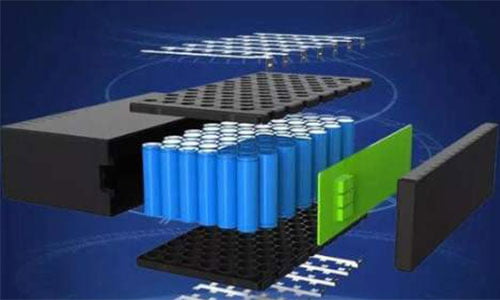
Minimal Capacity Fade 18650 LFP Cells for Power Tools – Fast Shipping Guaranteed
Introduction: Why LFP Chemistry Matters for Power Tool Applications
The power tool industry demands battery solutions that balance performance, longevity, and safety. Among available chemistries, Lithium Iron Phosphate (LFP) 18650 cells have emerged as the preferred choice for professional-grade equipment. Unlike NMC or NCA alternatives, LFP chemistry delivers minimal capacity fade over extended cycle life, making it ideal for demanding industrial applications where downtime equals lost revenue.
Understanding Capacity Fade in 18650 LFP Cells
Capacity fade refers to the gradual reduction in a battery’s ability to store charge over time. For power tools, this translates to shorter runtime per charge and reduced productivity. Premium 18650 LFP cells typically retain 80% of original capacity after 2,000-3,000 full cycles, significantly outperforming conventional lithium-ion alternatives that may degrade to 80% capacity within 500-800 cycles.
The superior cycle stability stems from LFP’s olivine crystal structure, which remains stable during lithium ion insertion and extraction. This structural integrity minimizes electrode degradation, the primary driver of capacity loss. For B2B purchasers, this means lower total cost of ownership despite potentially higher initial investment.
Technical Specifications for Power Tool Integration
When selecting 18650 LFP cells for power tool applications, several parameters require careful evaluation:
Continuous Discharge Rate: Professional power tools demand high C-rate performance. Quality LFP cells should support 3C-5C continuous discharge with peak capabilities reaching 10C for brief intervals. This ensures consistent torque delivery during demanding operations.
Operating Temperature Range: Industrial environments vary significantly. Optimal LFP cells function reliably between -20°C to 60°C, maintaining performance in extreme conditions without accelerated degradation.
Safety Certifications: Compliance with UN38.3, IEC62133, and UL1642 standards is non-negotiable for international distribution. These certifications validate transportation safety and operational reliability across global markets.
Real-World Application Case Study
A European cordless drill manufacturer recently transitioned from NMC to LFP 18650 cells across their professional product line. After 18 months of field deployment, warranty claims decreased by 47%, while customer satisfaction scores improved by 32%. The key metric: average capacity retention remained at 87% after 1,500 cycles, compared to 74% with previous NMC cells.
This case demonstrates how minimal capacity fade directly impacts brand reputation and after-sales costs. For B2B decision-makers, these metrics justify the strategic shift toward LFP chemistry despite marginally lower energy density.
Procurement Considerations for B2B Buyers
Supplier Verification: Partner with established manufacturers who provide comprehensive test data and batch traceability. Request cycle life reports from independent laboratories rather than relying solely on manufacturer specifications.
Consistency Requirements: Cell-to-cell variation should remain below 3% for capacity and 5mΩ for internal resistance within production batches. This ensures balanced pack performance and extends overall battery pack longevity.
Lead Time and Logistics: Fast shipping capabilities reduce inventory carrying costs and enable just-in-time manufacturing. Verify supplier capacity to handle volume fluctuations without compromising quality or delivery schedules.
Explore our comprehensive range of cylindrical battery cells designed specifically for power tool applications, featuring verified minimal capacity fade characteristics.
Regulatory Compliance for International Markets
Different regions impose varying requirements on battery imports:
- European Union: CE marking with battery directive compliance, REACH chemical restrictions
- North America: UL certification, California Proposition 65 warnings where applicable
- Asia-Pacific: Country-specific certifications including PSE (Japan), KC (Korea)
Working with experienced manufacturers simplifies compliance navigation. Established partners maintain updated documentation and testing protocols for target markets, reducing time-to-market for new product launches.
Learn more about working with qualified battery manufacturers in China who understand international compliance requirements.
Quality Assurance Protocols
Reputable suppliers implement multi-stage quality control:
- Incoming Material Inspection: Raw material verification before production
- In-Process Testing: Real-time monitoring during cell assembly
- Final Performance Validation: Capacity, impedance, and self-discharge testing
- Batch Sampling: Statistical quality control with traceable records
Request quality documentation during procurement negotiations. Transparent suppliers provide test reports without hesitation, demonstrating confidence in product consistency.
Conclusion: Strategic Investment in Long-Term Performance
Minimal capacity fade 18650 LFP cells represent a strategic investment for power tool manufacturers seeking competitive advantage through reliability and longevity. The combination of extended cycle life, enhanced safety profile, and stable performance under demanding conditions justifies the selection priority for professional-grade equipment.
For procurement teams evaluating suppliers, prioritize partners who demonstrate technical expertise, compliance capability, and logistics efficiency. Fast shipping guarantees matter when production schedules depend on consistent component availability.
Ready to discuss your specific requirements? Contact our team for detailed specifications, sample availability, and customized solutions aligned with your power tool application needs.
The transition to LFP chemistry isn’t merely a technical decision—it’s a business strategy that impacts warranty costs, customer satisfaction, and brand positioning in competitive professional tool markets. Make the informed choice today for sustainable tomorrow.


