High Temperature Stable Battery Cell | CNS BATTERY
In the rapidly evolving landscape of energy storage solutions, high temperature stable battery cells have emerged as a critical requirement for industrial applications spanning from oil extraction to aerospace engineering. At CNS BATTERY, we understand that conventional lithium-ion cells often face significant degradation when operating beyond 60°C, leading to reduced cycle life, capacity fade, and potential safety concerns. This technical analysis explores the fundamental engineering principles behind our temperature-resilient cylindrical battery cell technology.
Understanding Thermal Challenges in Lithium-Ion Chemistry
The electrochemical stability of lithium-ion batteries is intrinsically linked to operating temperature. Standard cells utilizing conventional carbonate-based electrolytes experience accelerated decomposition above 55°C. The primary failure mechanisms include:
- Electrolyte decomposition: Organic solvents like ethylene carbonate (EC) and dimethyl carbonate (DMC) undergo thermal breakdown, generating gas and increasing internal pressure
- SEI layer instability: The solid-electrolyte interphase becomes unstable, causing continuous electrolyte consumption and lithium inventory loss
- Separator shrinkage: Polyethylene (PE) and polypropylene (PP) separators can melt or shrink at temperatures exceeding 130°C, leading to internal short circuits
Advanced Material Engineering for Thermal Stability
Our high temperature stable battery cells incorporate multiple layers of thermal protection through advanced material selection and cell design optimization.
Enhanced Electrolyte Formulation
We utilize thermally stable electrolyte additives including vinylene carbonate (VC) and fluoroethylene carbonate (FEC), which form robust SEI layers capable of withstanding elevated temperatures. These additives create a protective film on the anode surface that remains stable up to 85°C continuous operation, significantly reducing capacity fade rates compared to standard formulations.
Ceramic-Coated Separator Technology
A critical component in our thermal management strategy is the ceramic-coated separator. By applying aluminum oxide (Al₂O₃) nanoparticles onto the base polyolefin separator, we achieve:
- Thermal shutdown resistance: Maintains structural integrity up to 180°C
- Improved electrolyte wettability: Contact angle reduced from 35.9° (standard PP) to 12.3° (PE-Al₂O₃), enhancing ion transport
- Mechanical strength: Prevents puncture and dendrite penetration even under thermal stress
Cathode Material Optimization
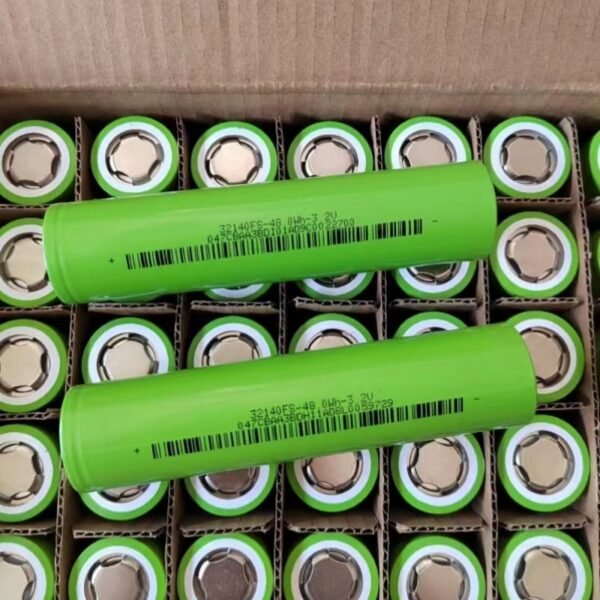
Our cylindrical battery cells feature lithium iron phosphate (LiFePO₄) chemistry, inherently offering superior thermal stability compared to nickel-cobalt-manganese (NCM) alternatives. The olivine crystal structure provides excellent thermal runaway resistance, with decomposition temperatures exceeding 270°C.
Performance Validation and Testing Protocols
All CNS BATTERY high temperature stable cells undergo rigorous validation including:
- Thermal cycling tests: -40°C to 85°C for 500+ cycles with less than 15% capacity degradation
- High temperature storage: 60°C continuous operation for 1000 hours with minimal self-discharge acceleration
- Safety abuse testing: Nail penetration, overcharge, and external short circuit tests per UN38.3 and IEC62133 standards
Application Scenarios Requiring Thermal Resilience
Industries benefiting from our temperature-stable solutions include:
- Oil & Gas exploration: Downhole equipment operating in extreme ambient conditions
- Automotive electronics: Engine compartment installations subject to heat soak
- Renewable energy storage: Outdoor ESS installations in tropical climates
- Aerospace systems: Avionics and satellite power systems
Partnering with Reliable Battery Manufacturers in China
Selecting the right manufacturing partner is crucial for ensuring consistent quality and technical support. CNS BATTERY operates as one of the leading battery manufacturers in China, maintaining ISO9001 certified production facilities with full traceability from raw material sourcing to final cell assembly. Our vertical integration enables tight quality control over every production parameter affecting thermal performance.
Technical Support and Customization
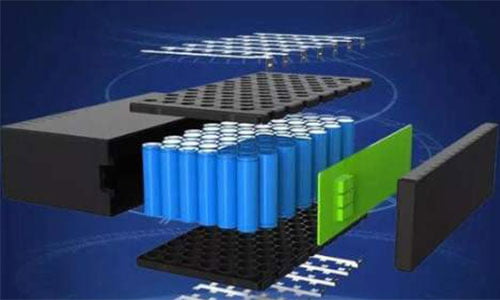
Our engineering team provides comprehensive support for integration projects, including thermal modeling, pack design optimization, and BMS compatibility assessment. For detailed specifications on our cylindrical cell portfolio, explore our cylindrical battery cell product range, featuring multiple form factors from 18650 to 32700 configurations.
Conclusion
High temperature stable battery cells represent a critical enabler for next-generation energy storage applications where thermal resilience cannot be compromised. Through advanced electrolyte engineering, ceramic separator technology, and optimized cell design, CNS BATTERY delivers reliable power solutions for the most demanding environments.
For technical consultations, custom specifications, or partnership inquiries, please visit our contact page to connect with our engineering team. We are committed to supporting global OEMs and system integrators with battery solutions that perform consistently across the full temperature spectrum.
Technical specifications subject to verification. All performance data based on internal testing under controlled conditions. Contact CNS BATTERY for application-specific validation requirements.