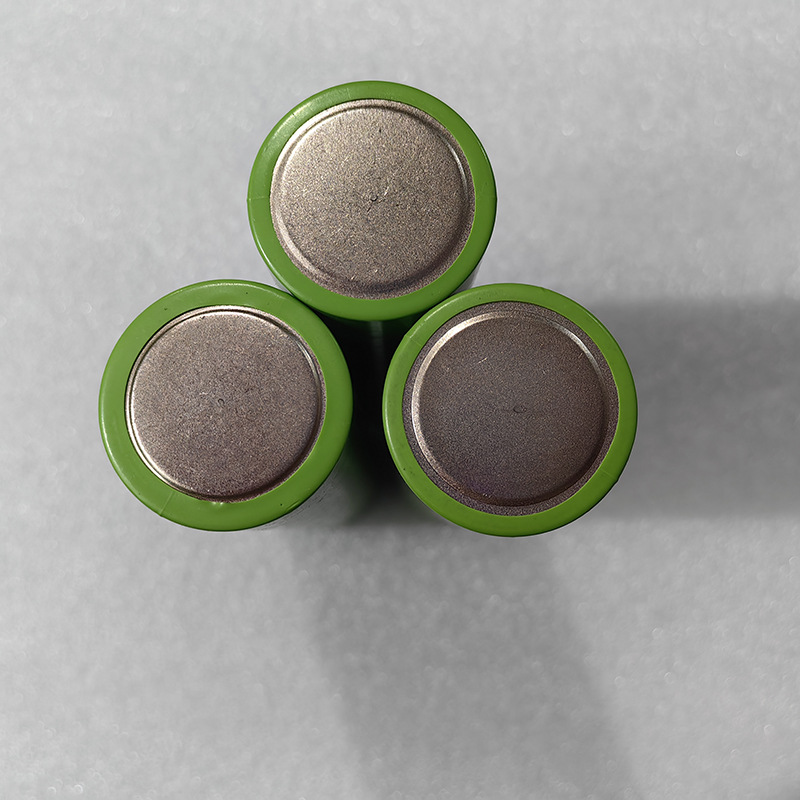
E-bike OEM Pain Points Solved by 18650 LFP Cylindrical Batteries Ideal for Manufacturers
The electric bicycle (E-bike) industry is undergoing a critical transformation in 2026. As market competition intensifies and regulatory standards tighten globally, Original Equipment Manufacturers (OEMs) face mounting pressure to deliver products that balance performance, safety, and cost-efficiency. Traditional lithium-ion chemistries, particularly NMC (Nickel Manganese Cobalt), have long dominated the sector. However, they come with inherent risks and supply chain vulnerabilities. For manufacturers seeking sustainable growth, the shift toward 18650 LFP (Lithium Iron Phosphate) cylindrical batteries represents a strategic solution to persistent OEM pain points. This article analyzes how this specific cell format and chemistry address core manufacturing challenges while enhancing end-user reliability.
Addressing the Safety Imperative
Safety remains the paramount concern for E-bike OEMs. Thermal runaway incidents involving high-nickel cathodes have damaged brand reputations and triggered stricter insurance requirements. LFP chemistry offers a superior olivine crystal structure that is inherently more stable than layered oxide structures found in NMC cells. The 18650 cylindrical form factor further enhances safety through robust steel casing, which provides mechanical protection and efficient heat dissipation.
For OEMs, integrating 18650 LFP cylindrical batteries minimizes the risk of catastrophic failure during high-load scenarios such as steep climbs or rapid charging. This chemical stability reduces the complexity of Battery Management Systems (BMS) required to monitor cell balance and temperature, thereby lowering overall system costs. Manufacturers prioritizing safety can leverage this technology to meet rigorous international standards like UL 2849 and EN 15194 without over-engineering their packs. For detailed technical specifications on safe cell integration, visit our Cylindrical Battery Cell page.
Optimizing Cycle Life and Total Cost of Ownership
Another significant pain point for E-bike manufacturers is the warranty burden associated with battery degradation. Consumers expect E-bikes to last for years, yet traditional cells often degrade significantly after 500 to 800 cycles. LFP cells typically deliver over 2,000 to 3,000 full charge cycles while retaining more than 80% of their original capacity. This longevity directly translates to reduced warranty claims and higher customer retention rates.
From a cost perspective, LFP chemistry eliminates the reliance on cobalt and nickel, metals subject to volatile pricing and ethical sourcing concerns. By stabilizing raw material costs, OEMs can achieve more predictable budgeting and pricing strategies. The 18650 format is also a mature industry standard, ensuring high availability and competitive pricing from established supply chains. This combination of extended lifecycle and stable material costs improves the Total Cost of Ownership (TCO) for both the manufacturer and the end user. Partnering with reliable Battery Manufacturers in China ensures access to these cost-effective cells without compromising quality control.
Streamlining Manufacturing and Supply Chain Consistency
Supply chain inconsistency is a recurring bottleneck for E-bike OEMs. Variations in cell dimensions or performance metrics can disrupt automated assembly lines. The 18650 cylindrical standard offers exceptional uniformity. Its standardized dimensions (18mm diameter, 65mm length) allow for highly automated pack assembly processes, reducing labor costs and increasing production throughput.
Furthermore, the maturity of the 18650 production line means that supply is less prone to the shortages that often affect newer or larger prismatics cells. For manufacturers scaling production in 2026, consistency is key. Reliable cell sourcing prevents production delays and ensures every unit leaving the factory meets the same performance criteria. This standardization simplifies inventory management and allows OEMs to focus resources on motor integration and smart connectivity features rather than troubleshooting battery inconsistencies.
Enhancing Brand Reputation Through Reliability
In an era where online reviews and social media influence purchasing decisions, reliability is a brand’s most valuable asset. E-bikes powered by LFP batteries are less susceptible to performance drops in extreme temperatures compared to other chemistries. This reliability ensures consistent range and power delivery, leading to higher customer satisfaction scores.
OEMs that adopt 18650 LFP technology position themselves as leaders in safety and durability. This differentiation is crucial in a crowded market where many competitors still rely on cheaper, less stable alternatives. By marketing the inherent safety and longevity of LFP cells, manufacturers can justify premium pricing and build long-term brand loyalty. It signals to distributors and consumers that the company prioritizes quality over short-term margins.
Conclusion
The transition to 18650 LFP cylindrical batteries is not merely a technical adjustment; it is a strategic move to solve fundamental OEM pain points regarding safety, cost, and supply chain stability. As the E-bike market matures in 2026, manufacturers who adopt this technology will gain a competitive edge through reduced warranty liabilities, streamlined production, and enhanced brand trust. For OEMs ready to optimize their battery procurement and solve these industry challenges, professional guidance is essential. To discuss how these solutions can be tailored to your specific manufacturing needs, please Contact Us today. Embracing the stability of LFP chemistry ensures a safer, more profitable future for E-bike manufacturers worldwide.