
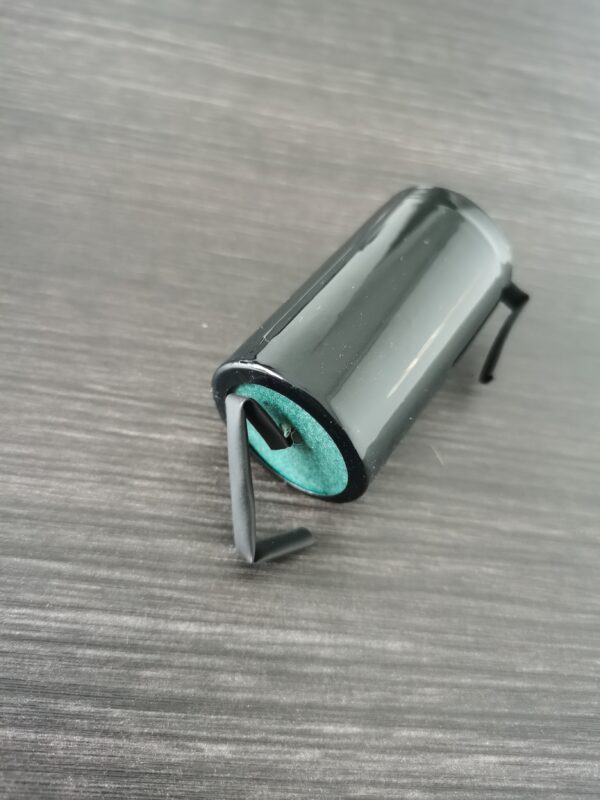
IoT Primary Lithium Batteries: Li-SOCl₂ and Li-MnO₂ Solutions for Industrial Applications
The rapid expansion of Internet of Things (IoT) deployments has created unprecedented demand for reliable, long-lasting power sources. Among available options, lithium primary batteries—specifically Lithium Thionyl Chloride (Li-SOCl₂) and Lithium Manganese Dioxide (Li-MnO₂) chemistries—have emerged as the preferred choice for mission-critical IoT applications. This article examines the technical advantages, application scenarios, and selection criteria for these battery technologies from an engineering procurement perspective.
Understanding Lithium Primary Battery Fundamentals
Lithium primary batteries utilize lithium metal as the anode material, offering significantly higher energy density compared to alkaline or nickel-based alternatives. The key distinction lies in their non-rechargeable nature, which enables optimized cell design for maximum capacity and extended shelf life—critical factors for IoT devices deployed in remote or inaccessible locations.
The electrochemical reaction in lithium primary cells produces a stable voltage output with minimal self-discharge rates (typically 1-2% per year). This characteristic ensures consistent performance over deployment lifecycles ranging from 5 to 15 years, depending on application requirements and environmental conditions.
Li-SOCl₂ Battery Technology: Maximum Energy Density
Lithium Thionyl Chloride batteries represent the highest energy density solution available in commercial primary cell formats, typically delivering 280-350 Wh/kg. The chemistry utilizes thionyl chloride (SOCl₂) as both cathode material and electrolyte solvent, creating a highly efficient electrochemical system.
Key Technical Advantages:
- Operating voltage: 3.6V nominal
- Wide temperature range: -55°C to +85°C
- Ultra-low self-discharge: <1% annually
- Hermetically sealed construction for harsh environments
Ideal IoT Applications:
Li-SOCl₂ batteries excel in low-drain, long-duration applications including utility metering (water, gas, electricity), asset tracking devices, environmental sensors, and industrial monitoring equipment. The bobbin-type construction provides optimal capacity for continuous low-current discharge, while spiral-wound variants support moderate pulse currents required for wireless communication protocols like LoRaWAN and NB-IoT.
Engineers should note that Li-SOCl₂ cells may experience voltage delay after extended storage periods—a phenomenon where initial voltage drops before stabilizing. This consideration becomes critical when specifying batteries for devices with immediate high-current startup requirements.
Li-MnO₂ Battery Technology: Balanced Performance Profile
Lithium Manganese Dioxide batteries offer a compelling alternative with distinct performance characteristics. Operating at 3.0V nominal voltage, Li-MnO₂ chemistry provides excellent pulse current capability alongside reliable performance across diverse operating conditions.
Key Technical Advantages:
- Operating voltage: 3.0V nominal
- Temperature range: -40°C to +85°C
- Superior pulse discharge capability
- Cost-effective for medium-drain applications
Ideal IoT Applications:
Li-MnO₂ batteries are particularly well-suited for smart meters requiring periodic high-current transmission bursts, medical monitoring devices, security systems, and consumer IoT products. The chemistry’s ability to deliver consistent voltage under varying load conditions makes it ideal for applications with unpredictable power consumption patterns.
Selection Criteria for IoT Deployments
When evaluating primary lithium batteries for IoT projects, engineering teams should consider the following parameters:
1. Current Profile Analysis
Document both continuous drain and peak pulse requirements. Li-SOCl₂ suits ultra-low drain applications (<100μA average), while Li-MnO₂ handles moderate to high pulse currents more effectively.
2. Environmental Conditions
Assess operating temperature ranges, humidity exposure, and potential mechanical stresses. Both chemistries offer robust performance, but Li-SOCl₂ provides superior extreme temperature tolerance.
3. Lifecycle Requirements
Calculate total energy consumption over the intended deployment period, including sleep modes, active transmission cycles, and standby states. Factor in battery self-discharge for long-duration projects.
4. Regulatory Compliance
Ensure battery specifications meet relevant safety standards (UL, IEC, UN38.3) for target markets. Transportation regulations for lithium batteries require specific documentation and packaging protocols.
5. Supply Chain Considerations
Evaluate manufacturer reliability, production capacity, and quality certification. Consistent battery performance across production batches remains essential for large-scale IoT deployments.
Quality and Manufacturing Standards
Professional IoT deployments demand batteries manufactured under stringent quality control systems. ISO 9001 certification, automated production lines, and comprehensive testing protocols distinguish premium suppliers from commodity manufacturers. Key quality indicators include capacity consistency (±3% tolerance), leakage resistance validation, and long-term performance verification through accelerated aging tests.
Reputable suppliers provide detailed technical documentation including discharge curves at various temperatures, impedance specifications, and safety data sheets. This transparency enables accurate system design and reduces deployment risks.
Future-Proofing IoT Power Solutions
As IoT networks evolve toward 5G connectivity and edge computing capabilities, power requirements will continue shifting. Hybrid approaches combining primary lithium batteries with energy harvesting technologies (solar, thermal, vibration) represent emerging solutions for extending device lifecycles beyond traditional battery-only limitations.
When selecting battery partners, consider their R&D investment and ability to support evolving technical requirements. Long-term supplier relationships prove valuable as IoT deployments scale from pilot projects to enterprise-wide implementations.
Conclusion
Li-SOCl₂ and Li-MnO₂ primary lithium batteries provide proven, reliable power solutions for diverse IoT applications. Understanding the technical distinctions between these chemistries enables informed procurement decisions that balance performance, cost, and deployment requirements. For detailed product specifications and technical consultation, explore comprehensive primary battery solutions designed for industrial IoT applications. Engineering teams seeking customized battery configurations or volume procurement should contact our technical team for project-specific support and quotation.
Strategic battery selection directly impacts IoT project success—investing time in proper chemistry evaluation and supplier qualification delivers measurable returns through reduced maintenance costs, extended deployment lifecycles, and enhanced system reliability.
