
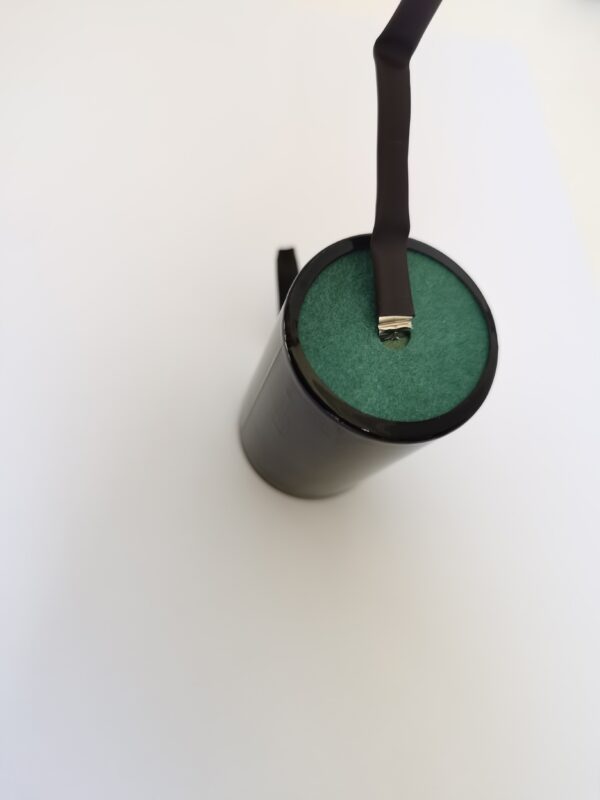
Slovenia Industrial IoT Li-SOCl₂ Battery | CE Certified: A Technical Guide for Engineers
As Slovenia continues to solidify its position as a hub for advanced manufacturing and smart infrastructure within Central Europe, the demand for reliable power solutions in Industrial Internet of Things (IIoT) deployments is surging. For engineers and technical purchasers operating in the Slovenian market, selecting the right primary battery chemistry is not merely a component choice—it is a strategic decision impacting device longevity, maintenance costs, and regulatory compliance. Specifically, Lithium Thionyl Chloride (Li-SOCl₂) batteries have emerged as the gold standard for remote industrial sensing, yet their deployment requires strict adherence to European safety standards, most notably CE certification.
This article provides a rigorous technical analysis of Li-SOCl₂ technology tailored for Slovenia’s IIoT landscape, examining electrochemical performance, certification necessities, and integration best practices.
The Electrochemical Advantage of Li-SOCl₂ in Industrial Environments
Lithium Thionyl Chloride batteries are distinct from consumer-grade alkaline or lithium-ion solutions due to their unique cathode-anode reaction. In a Li-SOCl₂ cell, liquid sulfur dioxide acts as the cathode, while lithium serves as the anode. This chemistry yields an exceptionally high energy density, typically ranging from 500 to 700 Wh/kg. For IIoT devices deployed in Slovenia’s diverse terrain—from the alpine conditions of Triglav to the industrial zones near Ljubljana—this density translates to operational lifespans exceeding 10 years on a single charge.
Two technical parameters are critical for engineers evaluating these cells:
- Voltage Stability: Li-SOCl₂ batteries maintain a flat discharge curve at approximately 3.6V to 3.7V for the majority of their lifecycle. This stability is vital for wireless communication modules (NB-IoT, LoRaWAN) that require consistent voltage thresholds to transmit data packets reliably without signal degradation.
- Temperature Resilience: Industrial sensors often face extreme thermal variations. High-quality Li-SOCl₂ cells operate effectively between -55°C and +85°C. This range ensures functionality during Slovenian winters without significant capacity loss, a common failure point for lesser chemistries.
However, passive discharge (self-discharge) remains a consideration. Premium cells utilize a passivation layer on the lithium anode to minimize current leakage to less than 1% per year. Engineers must verify this specification to prevent premature failure in low-drain applications like smart metering.
CE Certification: A Mandatory Requirement for Market Access
In the European Union, including Slovenia, the CE mark is not a quality indicator but a legal declaration of conformity with health, safety, and environmental protection standards. For Li-SOCl₂ batteries, compliance involves navigating several directives:
- Battery Directive (2006/66/EC): Regulates the placement of batteries on the market and restricts hazardous substances.
- ATEX Directive (2014/34/EU): Crucial for IIoT devices used in potentially explosive atmospheres, such as chemical processing plants or gas distribution networks.
- EMC Directive: Ensures the battery-powered device does not emit excessive electromagnetic interference.
For technical purchasers, verifying CE certification is a due diligence step. Non-compliant batteries pose liability risks and can lead to customs delays or product recalls. A certified battery ensures that the cell has undergone testing for thermal abuse, short-circuit protection, and proper labeling regarding disposal and recycling. When sourcing components for projects in Slovenia, always request the Declaration of Conformity (DoC) from the manufacturer.
Application Scenarios in the Slovenian Market
The adoption of IIoT in Slovenia is driven by smart city initiatives and industrial automation. Li-SOCl₂ batteries are particularly suited for the following verticals:
- Smart Utility Metering: Water and gas meters installed in underground pits or external walls require batteries that resist humidity and temperature swings. The long life of Li-SOCl₂ reduces the total cost of ownership by eliminating frequent maintenance visits.
- Asset Tracking: Slovenia’s logistics sector benefits from GPS trackers powered by these batteries. The high pulse capability of certain bobbin-type Li-SOCl₂ cells supports periodic GPS pings without voltage depression.
- Environmental Monitoring: Sensors deployed in agricultural regions or protected natural parks need to operate autonomously for years. The low self-discharge rate ensures data continuity over multiple seasons.
Selecting the Right Supplier for Long-Term Projects
When integrating Li-SOCl₂ batteries into IIoT hardware, the supplier’s technical support capability is as important as the cell specifications. Engineers should look for partners who provide detailed technical datasheets, aging test reports, and customization options for terminals or packaging.
For projects requiring specific voltage configurations or custom battery packs, direct communication with the manufacturer is essential. You can discuss your technical requirements and certification needs directly via the Contact Us page to ensure alignment with your project timeline. Furthermore, exploring a comprehensive catalog of primary battery options allows for better matching of capacity to load profiles. You can review the full range of industrial-grade solutions at the Primary Battery product section.
Conclusion
The deployment of Industrial IoT in Slovenia demands power solutions that combine high energy density with rigorous safety compliance. Li-SOCl₂ technology offers the performance necessary for long-term remote monitoring, but its success hinges on selecting CE-certified products from reputable sources. By prioritizing technical specifications such as passivation quality, temperature range, and regulatory conformity, engineers can ensure the reliability of their deployments. As the IIoT sector grows, the partnership between device manufacturers and battery suppliers will remain a cornerstone of successful infrastructure development.
For further technical consultation or to request samples for your upcoming projects, please reach out through our official channels. Ensuring power reliability starts with the right cell choice.
