Complete Fast Charging Without Heat Solution for Electric Motorcycle Using High-Quality 18650 LFP Cells Ultimate Guide
The electric motorcycle market is evolving rapidly, with range anxiety and charging time remaining the primary barriers to mass adoption. For B2B manufacturers and distributors, delivering a product that supports fast charging without compromising safety or battery longevity is critical. The core of this challenge lies in thermal management. This guide provides a technical deep-dive into achieving a “fast charging without heat” solution using high-quality 18650 LFP (Lithium Iron Phosphate) cells, focusing on practical implementation for overseas markets.
The Advantage of 18650 LFP Chemistry
When designing high-performance battery packs for electric motorcycles, cell chemistry is the foundation. While NCM (Nickel Cobalt Manganese) offers higher energy density, LFP is superior for thermal stability. The olivine structure of LFP chemistry is inherently more stable under high current stress, significantly reducing the risk of thermal runaway.
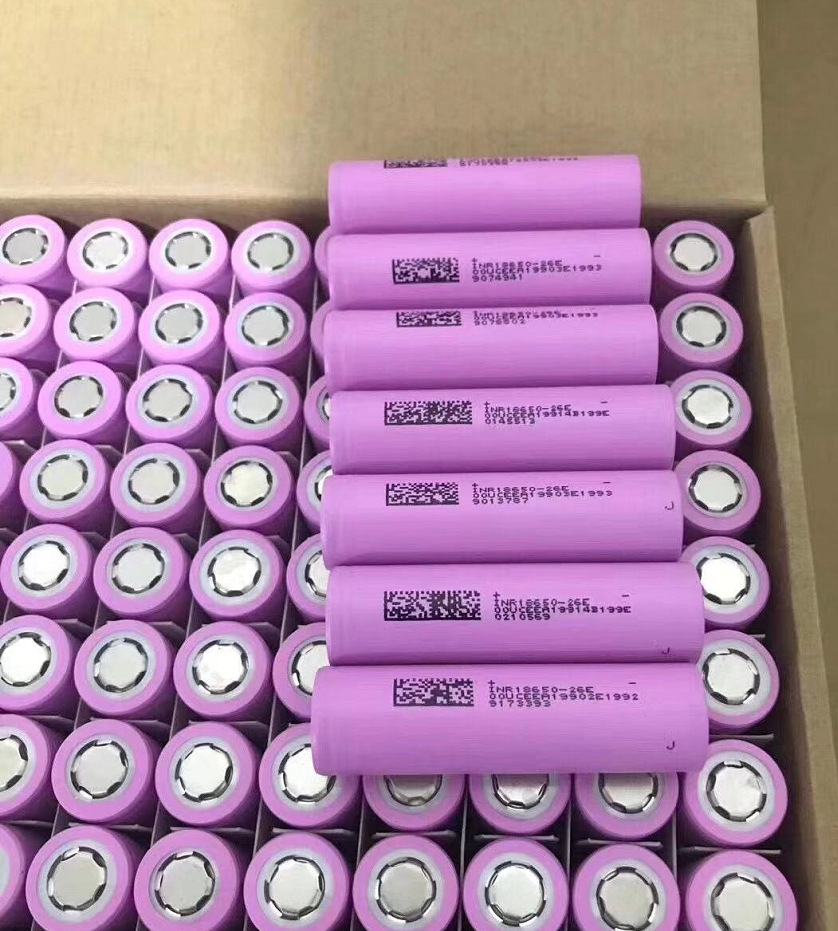
The 18650 form factor further enhances this safety profile. Unlike larger pouch or prismatic cells, the cylindrical 18650 design offers a higher surface-area-to-volume ratio. This geometry facilitates more efficient heat dissipation during fast charging cycles. For B2B buyers, selecting Grade A 18650 LFP cells ensures consistent capacity and internal resistance, which is vital for balancing heat generation across the pack. You can explore specific specifications for these cells at https://cnsbattery.com/products-3/cylindrical-battery-cell/ to ensure they meet your project’s thermal requirements.
Engineering the “No Heat” Fast Charging Architecture
Achieving fast charging without excessive heat is not just about the cells; it is about the system architecture. A robust solution requires a multi-layered approach:
1. Advanced BMS (Battery Management System):
The BMS is the brain of the thermal solution. It must monitor individual cell temperatures in real-time. During fast charging, the BMS should dynamically adjust the charging current based on thermal feedback. If a specific module heats up beyond a set threshold (e.g., 45°C), the system should throttle the input current to prevent degradation. Smart BMS protocols ensure that the charging curve remains optimal without pushing the cells into dangerous thermal zones.
2. Thermal Interface Materials (TIMs):
Physical heat transfer is equally important. Using high-conductivity thermal pads between the 18650 cells and the cooling plate ensures that heat generated internally is moved away quickly. For electric motorcycles, where vibration is a factor, these materials must also possess strong adhesive properties and mechanical durability.
3. Pack Design and Airflow:
The mechanical structure of the battery pack should facilitate airflow. Even in passive cooling systems, spacing between 18650 cells allows air to circulate, carrying heat away from the core. For high-power applications, integrating liquid cooling plates within the module structure provides a more aggressive thermal management solution, keeping cell temperatures stable even at 2C or 3C charging rates.
Compliance and Safety Standards for Overseas Markets
For distributors importing battery solutions into Europe, North America, or other regulated markets, compliance is non-negotiable. A “heat-free” claim must be backed by certified safety data.
- UN38.3: Essential for the transportation of lithium batteries. This certifies that the battery pack can withstand vibration, shock, and temperature changes during shipping without catching fire.
- CE and UL Certifications: These indicate that the product meets specific safety standards regarding electrical fire and shock hazards. For LFP packs, UL 2271 (Standard for Batteries for Use in Light Electric Vehicle Applications) is particularly relevant.
- IEC 62133: Ensures safety requirements for portable sealed secondary cells.
Procuring from a manufacturer who understands these regulatory landscapes is crucial. Working with established https://cnsbattery.com/battery-manufacturers-in-china/ ensures that the supply chain is vetted for compliance, reducing the risk of customs seizures or liability issues in your target market.
Procurement Points for B2B Buyers
When sourcing 18650 LFP solutions for electric motorcycles, focus on these key metrics:
- Cycle Life: LFP cells should offer a minimum of 2000 cycles at 80% Depth of Discharge (DOD). Fast charging should not drastically reduce this number.
- Internal Resistance (IR): Lower IR means less heat generation during high-current charging. Ensure the supplier provides detailed IR data for batch consistency.
- Consistency: In a series-parallel configuration, cell mismatch leads to uneven heating. High-quality manufacturing processes ensure tight voltage and capacity grouping.
Conclusion
Building an electric motorcycle capable of fast charging without overheating requires a synergy of stable LFP chemistry, intelligent BMS logic, and effective thermal design. The 18650 form factor remains a reliable choice for balancing performance, safety, and cost. For businesses looking to scale their EV offerings, partnering with a knowledgeable supplier is the first step toward market success.
To discuss custom battery pack configurations or request technical datasheets, please visit our contact page at https://cnsbattery.com/contact-2/. By prioritizing thermal safety and compliance, manufacturers can deliver reliable, high-speed charging solutions that meet the demands of the modern electric mobility landscape.