
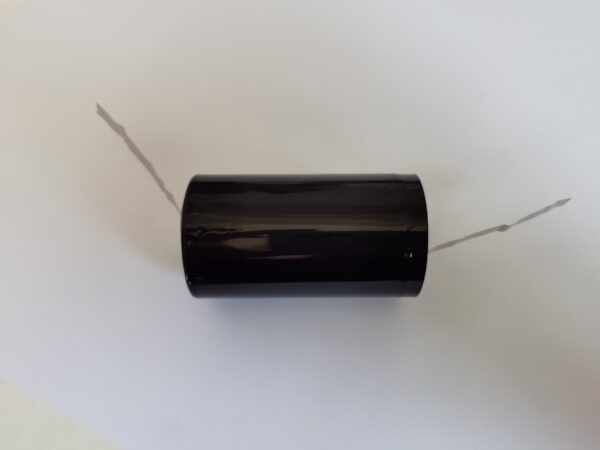
Battery for Smart Gas Meters | Explosion Proof ATEX Certified
Powering Critical Infrastructure with Safety-Certified Lithium Primary Solutions
In the rapidly evolving landscape of utility metering, smart gas meters represent a critical component of modern infrastructure. These devices operate in potentially hazardous environments where explosive gases may be present, demanding battery solutions that combine exceptional longevity with rigorous safety certifications. ATEX-certified lithium primary batteries have emerged as the industry standard for powering smart gas meters in Zone 1 and Zone 2 hazardous locations across Europe and globally regulated markets.
This article examines the technical requirements, certification frameworks, and battery chemistry considerations that engineering teams and procurement specialists must evaluate when selecting power solutions for smart gas metering applications.
Understanding ATEX Certification Requirements for Gas Meter Batteries
The ATEX Directive (2014/34/EU) establishes mandatory safety requirements for equipment used in explosive atmospheres throughout the European Union. For smart gas meter batteries, compliance is non-negotiable. The certification framework categorizes equipment based on:
- Equipment Category: Category 1 (Zone 0), Category 2 (Zone 1), or Category 3 (Zone 2)
- Gas Group: IIA (propane), IIB (ethylene), or IIC (hydrogen)
- Temperature Class: T1 through T6, indicating maximum surface temperature
Smart gas meters typically require Category 2G (Zone 1) or Category 3G (Zone 2) certification, with most installations demanding IIC gas group compatibility and T6 temperature rating (maximum 85°C surface temperature). Battery manufacturers must provide complete technical documentation demonstrating compliance through intrinsic safety design principles.
Lithium Thionyl Chloride (Li/SOCl₂) Technology: The Preferred Chemistry
Among primary battery chemistries, lithium thionyl chloride (Li/SOCl₂) has become the dominant choice for smart gas meter applications. This technology offers distinct advantages aligned with utility sector requirements:
Extended Operational Lifespan
Li/SOCl₂ batteries deliver 10-20 years of maintenance-free operation, matching the typical deployment cycle of smart gas meters. The chemistry’s exceptionally low self-discharge rate (less than 1% per year at ambient temperatures) ensures consistent power delivery throughout the meter’s service life.
High Energy Density
With volumetric energy density exceeding 500 Wh/L and gravimetric energy density around 280 Wh/kg, lithium thionyl chloride cells provide maximum capacity in minimal space—critical for compact meter designs where internal volume is constrained.
Wide Temperature Performance
These batteries maintain reliable operation across -55°C to +85°C temperature ranges, accommodating outdoor installations in diverse climatic conditions without performance degradation.
Stable Voltage Profile
The nominal 3.6V output remains stable throughout 90% of the discharge cycle, enabling consistent operation of wireless communication modules (NB-IoT, LoRaWAN, Wireless M-Bus) that transmit meter readings to utility companies.
Intrinsic Safety Design Principles
ATEX certification for battery-powered devices relies heavily on intrinsic safety (Ex i) protection concepts. This approach limits electrical and thermal energy to levels insufficient to ignite explosive atmospheres, even under fault conditions. Key design considerations include:
Current Limiting: Circuit design must restrict maximum current below ignition thresholds for specific gas groups. For IIC environments, this typically means limiting currents to under 100mA depending on inductance and capacitance values.
Energy Storage Constraints: Total stored energy in capacitors and inductive components must remain below calculated safety margins. Battery internal resistance becomes a critical parameter in these calculations.
Thermal Management: Surface temperature must never exceed the assigned T-class rating under any operating or fault condition. This requires careful analysis of discharge rates, ambient conditions, and enclosure thermal characteristics.
Selection Criteria for Engineering and Procurement Teams
When evaluating battery suppliers for smart gas meter projects, technical teams should verify:
- Valid ATEX Certification Documentation: Request complete EU-Type Examination Certificates from notified bodies, not merely manufacturer declarations.
- Long-Term Supply Commitment: Utility deployments span decades; ensure suppliers can guarantee product availability and consistent specifications throughout the project lifecycle.
- Quality Management Systems: ISO 9001 certification and automotive-grade manufacturing processes indicate reliable production consistency.
- Technical Support Capability: Suppliers should provide application engineering support for integration, safety calculations, and regulatory compliance documentation.
- Global Regulatory Compliance: Beyond ATEX, verify compliance with IECEx, UL, and regional certifications for multi-market deployments.
Future-Proofing Your Metering Infrastructure
As smart metering networks expand globally, battery selection decisions made today will impact operational costs and maintenance requirements for the next two decades. Partnering with established manufacturers who demonstrate commitment to continuous product development, regulatory compliance updates, and technical support ensures long-term project success.
For detailed technical specifications and application support regarding ATEX-certified primary battery solutions, explore comprehensive product portfolios at https://cnsbattery.com/primary-battery/. Engineering teams requiring customized consultation on battery selection for hazardous location applications can initiate direct technical discussions through https://cnsbattery.com/primary-battery-contact-us/.
Conclusion
Smart gas meter battery selection extends beyond simple capacity calculations. It demands comprehensive understanding of hazardous area classifications, intrinsic safety principles, and long-term reliability requirements. ATEX-certified lithium thionyl chloride batteries represent the optimal balance of safety, longevity, and performance for utility metering applications in explosive atmospheres. By prioritizing certified solutions from qualified manufacturers, engineering and procurement teams can ensure their metering infrastructure delivers reliable service throughout its designed operational lifetime while maintaining full regulatory compliance across global markets.
