
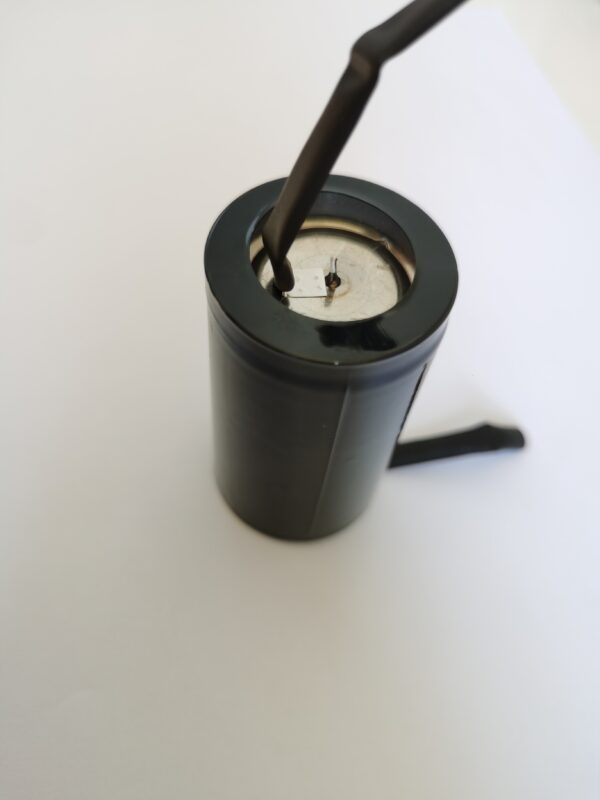
Emergency Primary Lithium Batteries | Li-SO₂ High Rate Supplier
Introduction
In critical emergency applications where reliability cannot be compromised, primary lithium batteries remain the gold standard for long-term power storage. Among various lithium chemistries, Lithium-Sulfur Dioxide (Li-SO₂) batteries have established themselves as the preferred choice for high-rate discharge scenarios in defense, aerospace, and industrial emergency systems. As a specialized supplier of emergency primary lithium batteries, understanding the technical advantages and application parameters of Li-SO₂ technology is essential for engineers and technical procurement professionals making informed decisions.
Technical Advantages of Li-SO₂ Battery Chemistry
Li-SO₂ batteries utilize lithium metal as the anode and sulfur dioxide as the cathode active material, with an organic electrolyte containing lithium bromide dissolved in liquid SO₂. This unique chemistry delivers several distinct advantages:
High Energy Density: Li-SO₂ cells typically achieve energy densities ranging from 280 to 330 Wh/kg, significantly outperforming alkaline and zinc-carbon alternatives. This makes them ideal for space-constrained emergency equipment where weight and volume are critical considerations.
Wide Operating Temperature Range: These batteries maintain stable performance across extreme temperatures from -55°C to +70°C, ensuring reliable operation in harsh environmental conditions common in military and industrial applications.
High Rate Discharge Capability: The low internal impedance of Li-SO₂ chemistry enables high pulse current delivery, making them suitable for emergency beacon systems, radio transmitters, and backup power applications requiring instantaneous high-current output.
Extended Shelf Life: With self-discharge rates below 2% per year at ambient temperatures, Li-SO₂ batteries can maintain over 90% of their initial capacity after 10 years of storage, crucial for emergency equipment that may remain inactive for extended periods.
Key Application Scenarios
Emergency primary lithium batteries serve critical roles across multiple sectors:
Military & Defense: Emergency locator transmitters, night vision devices, communication equipment, and portable radar systems rely on Li-SO₂ batteries for mission-critical operations where battery failure is not an option.
Aerospace & Aviation: Emergency position indicating radio beacons (EPIRB), aircraft emergency lighting, and backup navigation systems utilize these batteries due to their reliability under extreme altitude and temperature variations.
Industrial Safety: Emergency shutdown systems, gas detection equipment, and backup control systems in oil & gas, mining, and chemical processing facilities depend on long-life primary lithium power sources.
Medical Emergency Devices: Portable defibrillators, emergency ventilators, and critical care monitoring equipment require batteries that deliver consistent performance when lives depend on them.
Technical Selection Considerations
When specifying Li-SO₂ batteries for emergency applications, engineers should evaluate several critical parameters:
Capacity Requirements: Match battery capacity (mAh) to the device’s current draw and expected operational duration, accounting for temperature effects on available capacity.
Discharge Profile: Analyze whether the application requires continuous low-current discharge, high pulse currents, or mixed discharge patterns, as this affects battery selection and configuration.
Safety Certifications: Ensure batteries meet relevant international standards including UN 38.3 for transportation, IEC 60086 for primary batteries, and application-specific certifications for military or aerospace use.
Storage Conditions: While Li-SO₂ batteries offer excellent shelf life, proper storage at controlled temperatures (15-25°C recommended) maximizes longevity and maintains warranty coverage.
Quality & Supply Chain Considerations
For technical procurement professionals, supplier qualification extends beyond product specifications. Reliable Li-SO₂ battery suppliers should demonstrate:
- Consistent manufacturing quality with traceable batch records
- Compliance with international shipping regulations for lithium batteries
- Technical support for application engineering and customization
- Stable supply chain with adequate inventory for emergency procurement needs
Conclusion
Li-SO₂ primary lithium batteries represent the optimal power solution for emergency applications demanding high reliability, extended storage life, and high-rate discharge capability. Understanding the technical characteristics and proper selection criteria ensures optimal performance in critical situations where battery failure cannot be tolerated.
For detailed technical specifications, customization options, and procurement inquiries regarding emergency primary lithium batteries, please visit our product page or contact our technical team directly through our contact page. Our engineering team stands ready to support your emergency power requirements with professional guidance and reliable supply solutions.
