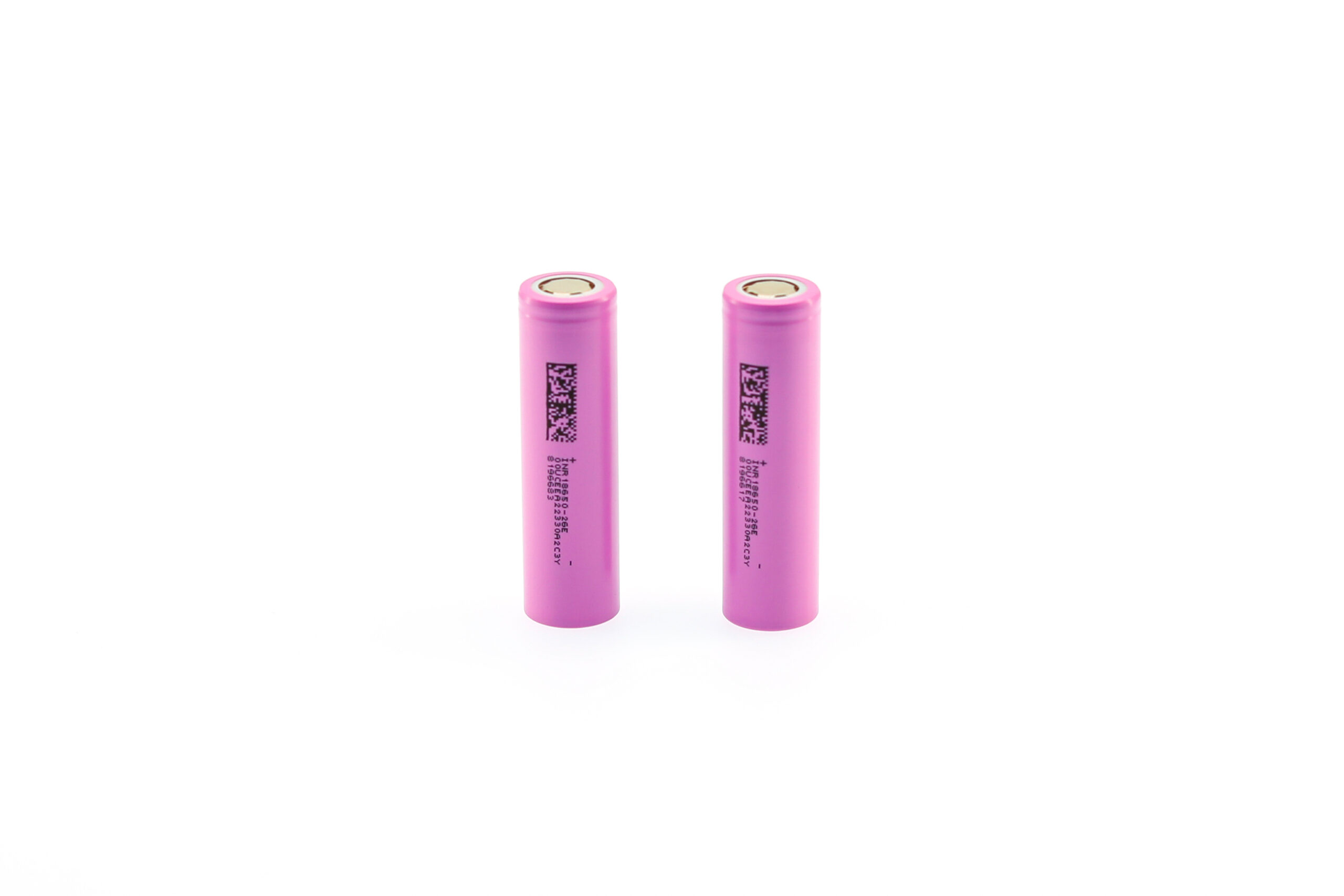
Solve 26650 Battery Capacity Fade After 500 Cycles
Capacity fade in 26650 lithium-ion batteries after 500 charge-discharge cycles remains a critical concern for engineers and technical procurement specialists worldwide. Understanding the degradation mechanisms and implementing proper mitigation strategies is essential for maintaining optimal performance in applications ranging from power tools to energy storage systems. This analysis provides a technical deep-dive into the root causes and solutions for 26650 battery capacity retention challenges.
Understanding Capacity Fade Mechanisms
The 26650 cylindrical cell, with its 26mm diameter and 65mm length, offers substantial energy density advantages over smaller formats. However, after approximately 500 cycles at 1C charge/discharge rates, capacity retention typically drops to 70-80% of initial specifications. This degradation stems from multiple electrochemical processes occurring simultaneously within the cell structure.
Solid Electrolyte Interphase (SEI) Growth: The primary contributor to capacity fade involves continuous SEI layer thickening on the anode surface. Each cycle consumes active lithium ions to repair and expand this protective layer, permanently reducing available capacity. Research indicates interfacial resistance increases by 15-25% after 500 cycles under standard testing conditions.
Cathode Structure Degradation: For NCM (Nickel-Cobalt-Manganese) chemistry cells, micro-cracking in cathode particles accelerates capacity loss. The repeated lithium insertion and extraction causes mechanical stress, leading to particle isolation and reduced electrochemical activity. LFP (Lithium Iron Phosphate) variants demonstrate superior cycle life but at lower energy density trade-offs.
Electrolyte Decomposition: Organic solvent breakdown produces gas and resistive byproducts, increasing internal impedance. Temperature acceleration factors show that operating above 45°C can double the degradation rate compared to 25°C baseline conditions.
Critical Testing Parameters and Methodologies
Accurate capacity fade assessment requires standardized testing protocols aligned with international specifications.
Cycle Testing Protocol: IEC 61960 and UN 38.3 standards mandate specific conditions for valid comparison. Testing should maintain 100% depth of discharge (DOD) at controlled temperatures between 20-25°C. Capacity measurements occur every 50 cycles using 0.2C discharge rates for accurate baseline comparison.
Key Performance Metrics:
- Initial capacity: 4500-5000mAh for premium 26650 cells
- Capacity retention at 500 cycles: ≥80% (premium), ≥70% (standard)
- Internal resistance increase: <30% after 500 cycles
- Operating temperature range: -20°C to 60°C (discharge)
Impedance Spectroscopy Analysis: Electrochemical impedance spectroscopy (EIS) provides early degradation detection before capacity measurements show significant changes. Charge transfer resistance increases correlate directly with remaining cycle life predictions.
Regional Compliance and Technical Barriers
For global deployment, 26650 battery systems must satisfy diverse regulatory frameworks. European markets require CE marking with EN 62133 compliance, while North American applications need UL 1642 and UL 2054 certifications. These standards address safety, performance, and environmental considerations that directly impact capacity fade management strategies.
EU Regulatory Requirements: The European Battery Regulation (EU) 2023/1542 introduces stricter carbon footprint declarations and recycled content mandates. Battery passport requirements will track cycle life performance data throughout product lifecycle, making capacity fade documentation essential for market access.
US Market Specifications: DOE energy storage guidelines and California Title 20 efficiency standards influence battery selection criteria. Procurement specifications increasingly require minimum 80% capacity retention after 500 cycles for commercial applications.
China Manufacturing Excellence: Leading Chinese manufacturers have developed advanced production capabilities meeting international standards. For comprehensive manufacturer evaluation and technical specifications, visit https://cnsbattery.com/battery-manufacturers-in-china/ to assess production quality certifications and export compliance documentation.
CNS Product Technical Advantages
CNS Battery’s 26650 cylindrical cell lineup addresses capacity fade challenges through multiple engineering innovations. Advanced electrode coating techniques reduce SEI formation rates, while optimized electrolyte formulations minimize decomposition during extended cycling.
Enhanced Cycle Life Features:
- Proprietary anode surface treatment reduces irreversible lithium consumption
- Gradient cathode composition minimizes mechanical stress during cycling
- Smart BMS integration enables adaptive charging protocols based on degradation state
For detailed cylindrical battery cell specifications and performance data sheets, explore https://cnsbattery.com/products-3/cylindrical-battery-cell/ to review technical parameters matching your application requirements.
Temperature Adaptation: Cells designed for extreme climate operation maintain capacity retention across -40°C to 60°C ranges. This geographic flexibility supports deployments in Nordic countries, Middle Eastern regions, and tropical environments without performance compromise.
Implementation Recommendations
Technical procurement teams should specify capacity retention requirements explicitly in purchase agreements. Request third-party testing verification from accredited laboratories following IEC protocols. Establish acceptance criteria based on application-specific cycle life expectations rather than generic manufacturer claims.
For project consultations and custom specification development, contact our technical team at https://cnsbattery.com/contact-2/ to discuss capacity fade mitigation strategies tailored to your operational environment.
Quality Assurance Protocols: Implement incoming inspection procedures measuring initial capacity and internal resistance. Track performance trends during initial deployment phases to identify potential quality deviations before system-scale deployment.
Conclusion
Solving 26650 battery capacity fade after 500 cycles requires systematic understanding of degradation mechanisms, rigorous testing protocols, and strategic supplier selection. By prioritizing cells with proven cycle life performance and ensuring regional compliance certification, engineers can minimize total cost of ownership while maintaining system reliability across global markets.
The convergence of advanced manufacturing capabilities, improved materials science, and stringent quality controls enables modern 26650 cells to exceed traditional cycle life expectations. Technical teams evaluating battery solutions should prioritize verified performance data over nominal specifications, ensuring long-term operational success in demanding applications.