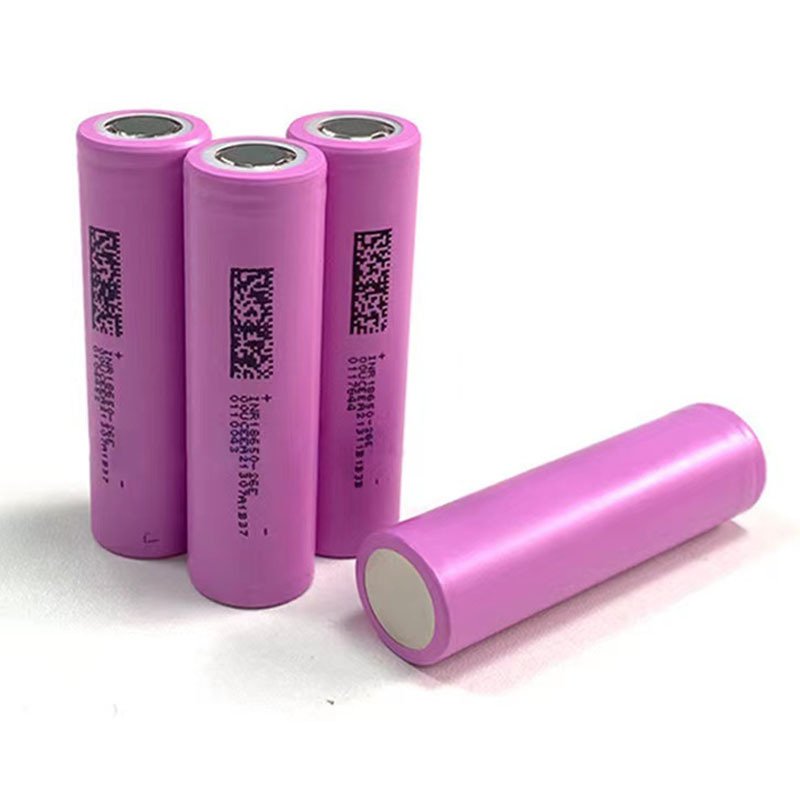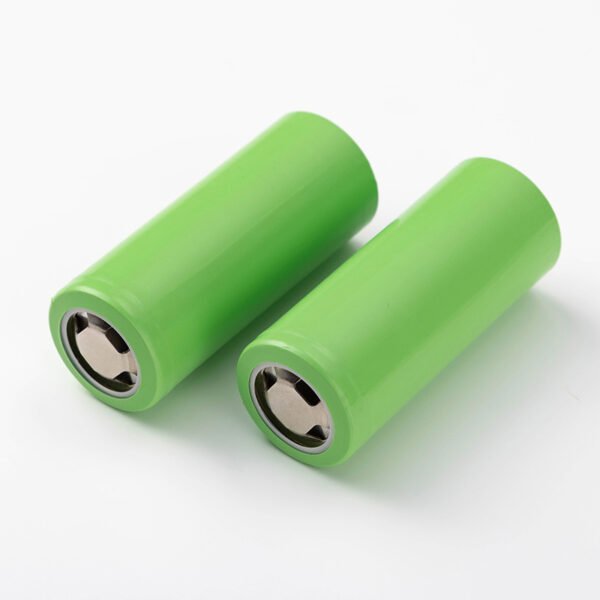
Wholesale 46800 Batteries – Emerging Large Cell Prices
The lithium-ion battery landscape has undergone a significant transformation since the introduction of the 4680 form factor. As we move through 2026, the 4680 cylindrical cell has transitioned from a novel prototype to a mainstream choice for high-performance electric vehicles (EVs) and large-scale energy storage systems (ESS). For B2B buyers, wholesalers, and system integrators, understanding the pricing dynamics, technical compatibility, and procurement standards of these large cells is critical for securing competitive advantages in a volatile market.
Market Pricing Dynamics and Cost Drivers
The wholesale pricing of 4680 batteries is influenced by a complex interplay of raw material costs, manufacturing yield rates, and technological advancements. In early 2026, the average wholesale price for premium 4680 cells has stabilized compared to the volatility seen in 2024-2025, yet it remains sensitive to lithium and nickel commodity fluctuations.
Key factors determining the final landed cost include:
- Manufacturing Yield: The transition to dry electrode technology, pioneered by major EV manufacturers, has significantly reduced production costs. However, not all suppliers have mastered this process. Cells produced with traditional wet electrode methods may offer lower upfront costs but often compromise on energy density and long-term cycle life.
- Scale of Production: As global demand for large cylindrical batteries is projected to exceed 200GWh annually, economies of scale are driving prices down. Buyers committing to higher volumes often secure better pricing tiers, but this must be balanced against inventory holding costs.
- Chemistry Variations: Nickel-cobalt-aluminum (NCA) variants typically command a premium due to higher energy density, suitable for long-range EVs. Conversely, lithium-iron-phosphate (LFP) 4680 cells are gaining traction in the ESS sector for their safety and cost-efficiency.
For accurate budgeting, procurement managers should request detailed breakdowns including cell cost, pack assembly fees, and logistics. It is advisable to evaluate suppliers based on their ability to maintain consistent quality at scale rather than solely on the lowest unit price.
Technical Compatibility and Integration
Adopting 4680 cells requires more than a simple swap from 2170 or 18650 formats. The physical dimensions—46mm in diameter and 80mm in height—demand specific structural considerations.
- Thermal Management: The tabless design of the 4680 cell allows for better heat dissipation through the cell casing. However, system integrators must ensure that the battery pack design leverages this feature. Direct cooling plates or immersion cooling systems are often recommended to maximize performance and safety.
- BMS Adaptation: Battery Management Systems (BMS) must be recalibrated to handle the different voltage curves and internal resistance profiles of large cylindrical cells. Mismatched BMS settings can lead to inaccurate state-of-charge (SoC) readings and reduced lifespan.
- Structural Integration: Many modern packs utilize the 4680 cell as a structural component (Cell-to-Chassis). Buyers should verify mechanical specifications to ensure the cells can withstand the vibration and stress requirements of their specific application, whether automotive or stationary storage.
For a comprehensive overview of available specifications and technical data sheets, buyers can explore detailed product listings at https://cnsbattery.com/products-3/cylindrical-battery-cell/.
Procurement Guidelines for Overseas Buyers
Navigating the international supply chain for lithium batteries requires strict adherence to compliance and logistics standards. Overseas B2B buyers must prioritize the following checkpoints:
1. Regulatory Compliance
Safety certifications are non-negotiable. Ensure that the cells comply with UN38.3 for transportation, IEC 62619 for industrial applications, and UL 1642 or UL 2580 for safety standards. For the European market, CE marking and adherence to the new EU Battery Regulation regarding carbon footprint and recycling are essential.
2. Supplier Verification
The market is saturated with traders claiming manufacturing capabilities. It is crucial to distinguish between genuine manufacturers and intermediaries. Verified manufacturers typically offer better technical support, warranty terms, and traceability. To identify reliable partners, it is beneficial to review established directories of verified producers, such as the list available at https://cnsbattery.com/battery-manufacturers-in-china/.
3. Logistics and Lead Time
Lithium batteries are classified as Dangerous Goods (Class 9). Shipping requires specialized handling and documentation. Buyers should confirm Incoterms clearly (e.g., FOB, CIF, DDP) and account for potential lead times ranging from 8 to 16 weeks depending on customization and order volume.
Case Study: ESS Integration Success
A recent project in Northern Europe illustrates the practical benefits of switching to 4680 cells for stationary storage. A grid-scale storage provider replaced standard prismatic cells with 4680 LFP variants. The result was a 15% reduction in pack assembly time due to the standardized cylindrical form factor and improved thermal stability during high-rate charging cycles. This case underscores the importance of selecting the right chemistry and form factor for the specific use case.
Conclusion
The 4680 battery market in 2026 offers significant opportunities for cost reduction and performance enhancement, but it demands diligent procurement practices. By focusing on verified manufacturers, understanding the technical nuances of tabless design, and ensuring full regulatory compliance, businesses can mitigate risks and capitalize on the efficiency of large cylindrical cells.
For direct inquiries regarding wholesale pricing, custom specifications, or partnership opportunities, please reach out through our official contact channel at https://cnsbattery.com/contact-2/. Securing a reliable supply chain today is the foundation for sustainable growth in the evolving energy landscape.