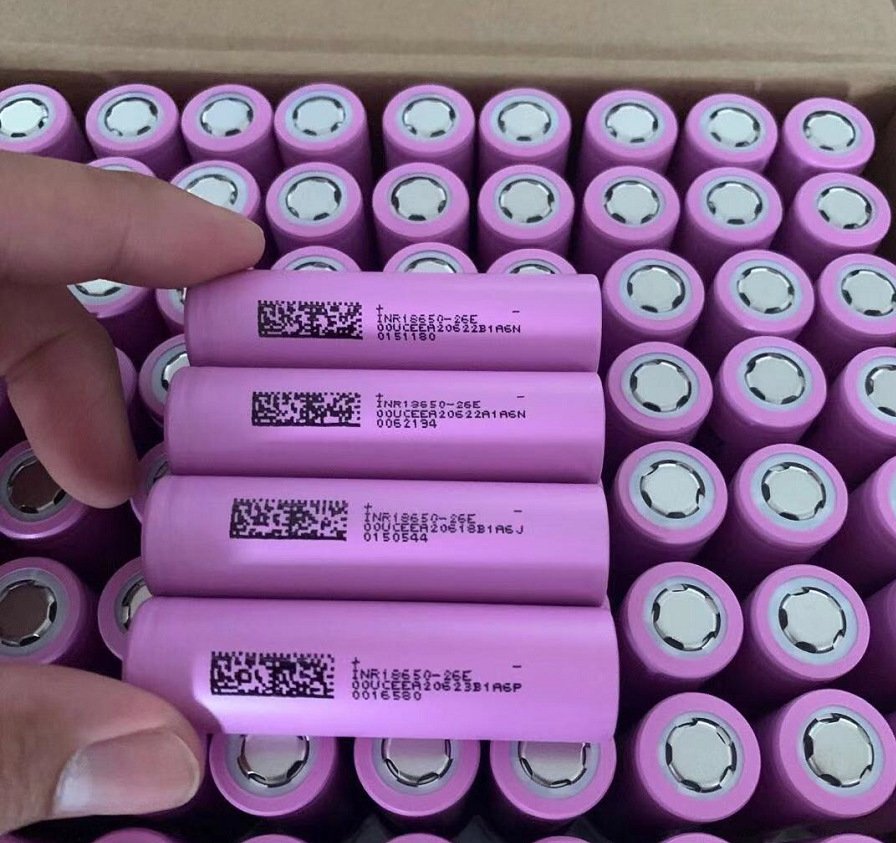
Top 5 UN38.3 UL CE Certified Problems with 18650 Cells in ESS Applications & Solutions Complete Solution
The global energy storage system (ESS) market continues to expand rapidly, with 18650 cylindrical lithium-ion cells remaining a popular choice for residential and commercial battery installations. However, navigating the complex certification landscape—UN38.3, UL, and CE—presents significant challenges for manufacturers, engineers, and technical purchasers. This article identifies the top five certification-related problems and provides actionable solutions for compliant ESS deployment.
Problem 1: Incomplete UN38.3 Test Documentation for Cell-to-Pack Integration
The Issue: Many ESS manufacturers assume UN38.3 certification at the cell level automatically covers the complete battery pack. This misconception leads to customs delays and shipment rejections. UN38.3 requires separate testing for cells, modules, and complete packs according to UN Manual of Tests and Criteria Part III, subsection 38.3.
Technical Reality: The eight mandatory tests include altitude simulation, thermal cycling, vibration, shock, external short circuit, impact, overcharge, and forced discharge. Each configuration change requires re-validation.
Solution: Implement a tiered certification strategy. Verify cell-level UN38.3 reports from your supplier, then conduct pack-level testing before market entry. Maintain Test Summary Reports (TSR) accessible for logistics partners. For reliable cylindrical cell suppliers with complete documentation, explore options at https://cnsbattery.com/products-3/cylindrical-battery-cell/
Problem 2: UL Certification Misalignment Between Cell and System Levels
The Issue: UL standards create confusion between UL1642 (cells), UL2054 (battery packs), and UL9540 (ESS systems). Using UL1642-certified 18650 cells doesn’t guarantee UL9540 compliance for the complete energy storage installation.
Technical Reality: UL9540A requires thermal runaway propagation testing at system level. Cell chemistry, BMS architecture, and mechanical design all influence certification outcomes. NMC 18650 cells present different risk profiles compared to LFP alternatives.
Solution: Engage UL-accredited laboratories early in the design phase. Document cell specifications, BMS protection parameters, and thermal management systems comprehensively. Consider LFP 18650 variants for enhanced thermal stability in residential ESS applications where UL certification is mandatory for insurance and code compliance.
Problem 3: CE Marking Confusion with Battery Directive vs. RED Compliance
The Issue: European market entry requires distinguishing between the EU Battery Directive (2006/66/EC), the new Battery Regulation (EU) 2023/1542, and Radio Equipment Directive (RED) requirements for smart ESS with connectivity features.
Technical Reality: CE marking for ESS encompasses electromagnetic compatibility (EMC), low voltage directive (LVD), and RoHS compliance. The new Battery Regulation introduces carbon footprint declarations and battery passport requirements by 2027.
Solution: Conduct comprehensive conformity assessment through notified bodies. Prepare technical documentation including risk assessment, EMC test reports, and declaration of conformity. Stay updated on battery passport digital requirements for traceability. Working with experienced https://cnsbattery.com/battery-manufacturers-in-china/ ensures compliance with evolving European regulations.
Problem 4: Transportation Classification Errors Under IMDG and IATA Regulations
The Issue: Misclassifying 18650 ESS products under UN3480 (lithium ion batteries) versus UN3481 (batteries contained in equipment) creates shipping violations. State of Charge (SoC) restrictions for air freight are frequently overlooked.
Technical Reality: Air transport requires SoC below 30% for standalone batteries. Sea freight under IMDG Code requires proper packaging, labeling, and dangerous goods declarations. UN38.3 certification is prerequisite for both.
Solution: Classify products correctly based on installation status. Prepare complete shipping documentation including UN38.3 test reports, MSDS, and dangerous goods declarations. Use certified packaging meeting performance standards. Establish relationships with freight forwarders experienced in lithium battery logistics.
Problem 5: Certification Maintenance and Change Management Gaps
The Issue: Certification isn’t one-time. Cell supplier changes, BMS firmware updates, or manufacturing location shifts can invalidate existing certifications without proper re-assessment.
Technical Reality: UL and CE certifications require annual surveillance audits. UN38.3 requires re-testing when cell chemistry, capacity, or design changes exceed defined thresholds. Regulatory updates may require certification upgrades.
Solution: Implement robust change management protocols. Document all component specifications and maintain supplier qualification records. Schedule regular certification audits and budget for re-testing when modifications occur. Establish direct communication channels with certification bodies for regulatory updates.
Complete Solution Framework
Successfully deploying 18650-based ESS products requires integrated certification management from design through deployment. Key recommendations include:
- Early Engagement: Involve certification consultants during product design, not after production
- Documentation Hierarchy: Maintain organized records for cells, modules, and complete systems
- Supplier Verification: Audit cell manufacturers for authentic certification documentation
- Regulatory Monitoring: Track evolving requirements across target markets
- Testing Partnerships: Establish relationships with accredited laboratories for efficient compliance validation
For technical support and certification guidance on 18650 cells for ESS applications, contact qualified manufacturers directly at https://cnsbattery.com/contact-2/
Conclusion
UN38.3, UL, and CE certifications represent critical gateways for 18650-based energy storage systems in global markets. Understanding the distinct requirements, avoiding common misconceptions, and implementing proactive compliance strategies minimizes market entry risks. Technical purchasers should prioritize suppliers with transparent certification documentation and proven track records in ESS applications. As regulations continue evolving, particularly with EU Battery Regulation implementation, maintaining certification compliance becomes increasingly complex but essential for competitive market positioning.
Investment in proper certification infrastructure pays dividends through reduced customs delays, enhanced customer confidence, and expanded market access. The five problems outlined above represent common pitfalls that experienced manufacturers have learned to navigate through systematic compliance management and strategic partnerships with qualified battery suppliers and testing laboratories.