

32700 LFP Cylindrical Cells – Long Cycle Life 6000+ Buyer’s Guide
Introduction: Why 32700 LFP Cells Matter for Industrial Applications
The global energy storage landscape is undergoing a significant transformation, with Lithium Iron Phosphate (LFP) chemistry emerging as the preferred choice for commercial and industrial applications. Among various form factors, the 32700 cylindrical cell has gained substantial traction due to its exceptional balance of capacity, safety, and longevity. This comprehensive buyer’s guide examines the critical specifications, technical advantages, and selection criteria for 32700 LFP cells offering 6000+ cycle life—essential knowledge for B2B purchasers, system integrators, and energy solution providers worldwide.
Understanding 32700 LFP Cell Specifications
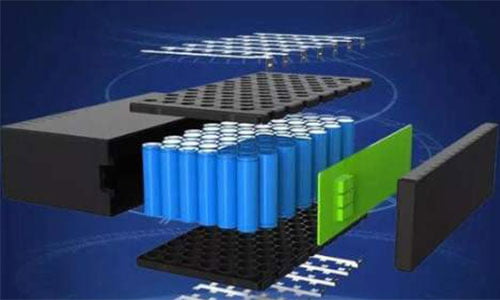
The “32700” designation refers to the physical dimensions: 32mm diameter and 70mm height. This large-format cylindrical design accommodates substantial active material, typically delivering nominal capacities between 6000-6500mAh at 3.2V nominal voltage. Unlike smaller cylindrical cells, the 32700 format optimizes energy density while maintaining excellent thermal management characteristics crucial for demanding applications.
Key technical parameters include:
- Nominal Voltage: 3.2V (LFP chemistry standard)
- Capacity Range: 6000-6500mAh per cell
- Cycle Life: 6000+ cycles at 80% Depth of Discharge (DOD)
- Operating Temperature: -10°C to 55°C (discharge), 0°C to 45°C (charge)
- Internal Resistance: Typically ≤35mΩ for premium grades
The 6000+ Cycle Life Advantage: Technical Foundation
Achieving 6000+ cycle life requires precise engineering across multiple dimensions. The olivine crystal structure of LiFePO₄ provides inherent stability—the strong P-O bonds resist thermal decomposition even under extreme conditions. This molecular stability translates to minimal capacity degradation over thousands of charge-discharge cycles.
Premium manufacturers implement several enhancement strategies:
- Advanced Electrolyte Formulations: Additives that stabilize the solid-electrolyte interphase (SEI) layer
- Optimized Electrode Coating: Uniform active material distribution reduces localized stress
- Precision Manufacturing: Automated production ensures consistent cell-to-cell performance
- Quality Control Protocols: Rigorous testing at multiple production stages
For buyers evaluating suppliers, request detailed cycle life test reports following IEC 62660 standards, specifying test conditions including temperature, C-rate, and DOD parameters.
Critical Selection Criteria for B2B Buyers
1. Certification and Compliance
Global market access requires comprehensive certification. Ensure cells meet:
- UN 38.3: Transportation safety
- IEC 62660: Secondary lithium cells for propulsion
- EU Battery Regulation 2026: Battery passport requirements for industrial applications
- UL 1642: Cell safety standards
2. Manufacturer Credibility
Partner with established manufacturers demonstrating:
- Minimum 5 years production history
- ISO 9001/14001 certified facilities
- Transparent supply chain documentation
- Technical support capabilities
Verify manufacturer credentials through https://cnsbattery.com/battery-manufacturers-in-china/ for vetted Chinese production facilities meeting international standards.
3. Application Matching
Different applications demand specific cell characteristics:
| Application | Priority Parameters | Recommended Specifications |
|---|---|---|
| Energy Storage Systems | Cycle life, calendar life | 6000+ cycles, 10-year warranty |
| Electric Mobility | Power density, temperature range | High C-rate, wide temp operation |
| Industrial Equipment | Reliability, safety | Certified cells, robust BMS integration |
| Backup Power | Shelf life, maintenance | Low self-discharge, long calendar life |
Integration Considerations for System Designers
Successful deployment extends beyond cell selection. System designers must address:
Thermal Management: While LFP chemistry offers superior thermal stability, proper heat dissipation maintains optimal performance. Design pack configurations allowing adequate airflow or implement active cooling for high-power applications.
Battery Management System (BMS): Quality BMS implementation protects against overcharge, over-discharge, and cell imbalance. Ensure BMS compatibility with 32700 form factor and LFP voltage characteristics (2.5V-3.65V operating range).
Mechanical Design: Cylindrical cells require appropriate fixation preventing vibration-induced damage. Consider expansion forces during cycling when designing enclosure structures.
Geographic Market Considerations
Regional requirements vary significantly:
- North America: UL certification essential; focus on safety documentation
- European Union: EU Battery Regulation compliance mandatory from 2026; battery passport implementation required
- Asia-Pacific: Diverse standards; prioritize IEC certifications for multi-market access
- Middle East & Africa: Temperature performance critical; verify high-temperature operation specifications
Cost-Value Analysis
While premium 32700 LFP cells command 15-25% price premiums over standard grades, the total cost of ownership favors high-quality options. Calculate lifecycle costs considering:
- Replacement frequency (6000 vs. 3000 cycles)
- Warranty coverage terms
- Failure rate implications
- System downtime costs
Supplier Verification and Due Diligence
Before finalizing procurement:
- Request sample cells for independent testing
- Verify production capacity and lead times
- Review quality control documentation
- Assess after-sales support infrastructure
- Confirm warranty claim procedures
Access detailed product specifications at https://cnsbattery.com/products-3/cylindrical-battery-cell/ for comprehensive technical documentation.
Conclusion: Making Informed Procurement Decisions
The 32700 LFP cylindrical cell represents a mature technology offering exceptional value for applications prioritizing longevity and safety. The 6000+ cycle life benchmark separates premium offerings from standard alternatives, delivering measurable ROI through extended service life and reduced replacement costs.
Successful procurement requires balancing technical specifications, certification requirements, manufacturer credibility, and total cost of ownership. Partner with suppliers providing transparent documentation, responsive technical support, and proven track records in your target applications.
For detailed consultation on 32700 LFP cell selection, certification requirements, or custom integration support, contact our technical team at https://cnsbattery.com/contact-2/. Our engineering specialists assist B2B customers worldwide in optimizing battery system performance while ensuring regulatory compliance across global markets.
This guide reflects industry standards as of 2026. Always verify current certification requirements and technical specifications with your chosen supplier before procurement decisions.


