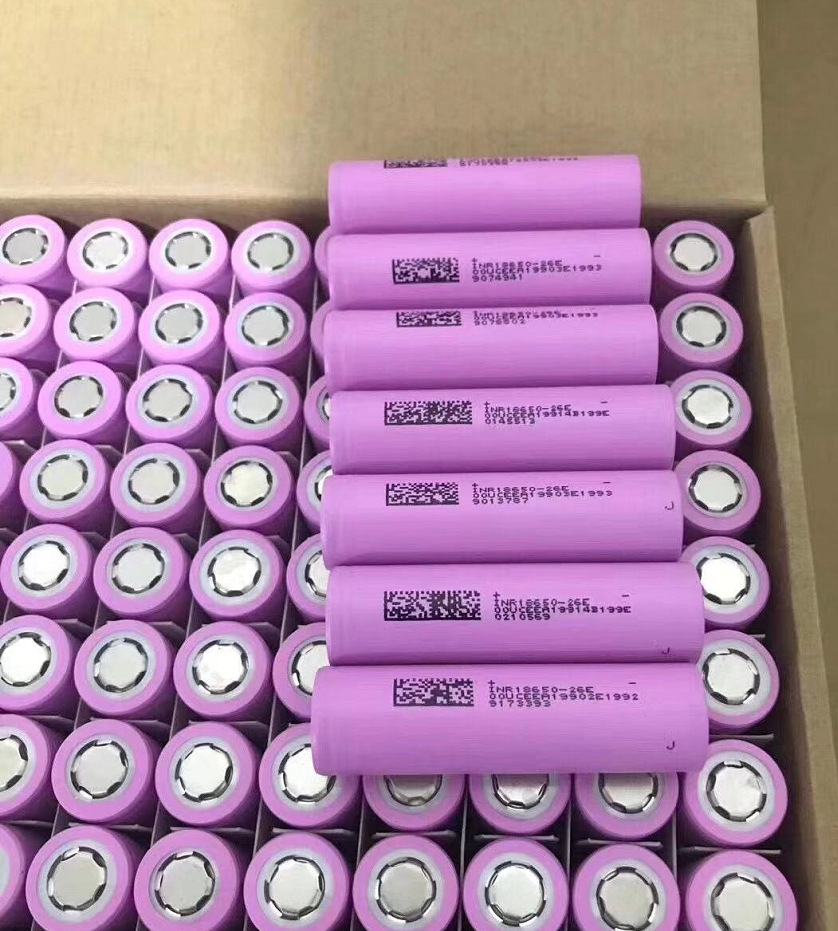
B2B 18650 LFP Cylindrical Battery Supplier China: Solve Factory Audit IATF16949 Today Top 5 Problems & Solutions
For B2B buyers sourcing 18650 LFP cylindrical batteries from China, factory audit compliance represents the critical gateway to automotive-grade supply chains. With IATF16949 certification becoming mandatory for Tier-1 automotive suppliers in 2026, understanding the top audit challenges separates qualified manufacturers from non-compliant facilities. This guide addresses the five most common factory audit problems and provides actionable solutions for procurement professionals evaluating Chinese battery suppliers.
Problem 1: Incomplete IATF16949 Documentation System
The Issue: Over 90% of failed audits stem from documentation gaps. Many factories claim certification but lack current IATF16949:2025 (6th Edition) compliance records. The 2026新规 tightened requirements, reducing corrective action timelines from 20 days to shorter periods.
Professional Solution: Request valid IATF16949 certificates directly from IATF-approved certification bodies. Verify certificate scope includes cylindrical cell manufacturing, not just pack assembly. Cross-check certification status at iatfglobaloversight.org. Qualified suppliers maintain complete APQP, PPAP, FMEA, and SPC documentation readily available for auditor review.
Problem 2: Manufacturing Site Definition Non-Compliance
The Issue: The 2025 IATF16949 update introduced strict “16 kilometers or 60-minute drive” requirements for extended manufacturing sites. Many Chinese battery facilities operate multiple production locations without proper scope declaration, causing automatic audit failure.
Professional Solution: During factory audits, verify all production locations fall within certified site boundaries. Request site maps and organizational charts showing clear manufacturing flow. Legitimate battery manufacturers in China maintain transparent facility documentation with defined quality control checkpoints at each production stage.
Problem 3: Supply Chain Traceability Gaps
The Issue: Automotive customers require complete material traceability from raw materials to finished cells. LFP cathode material sourcing, separator specifications, and electrolyte batch records must be traceable. Audit failures occur when suppliers cannot demonstrate full chain-of-custody documentation.
Professional Solution: Implement digital traceability systems tracking each 18650 cell through production. Request sample traceability reports showing raw material batch numbers, production dates, and QC test results. Professional suppliers provide complete documentation packages including UN38.3, MSDS, and material composition certificates for every shipment.
Problem 4: Inadequate Process Control & SPC Implementation
The Issue: Statistical Process Control (SPC) represents core IATF16949 requirements. Many factories lack real-time monitoring systems for critical parameters: coating thickness, winding tension, electrolyte filling volume, and formation cycling data. Without documented Cpk values ≥1.33, audits fail automatically.
Professional Solution: Evaluate manufacturer’s SPC capabilities during factory visits. Request Cpk reports for key processes. Advanced facilities employ automated optical inspection (AOI), X-ray detection, and real-time data logging systems. For cylindrical battery cell production, verify welding quality control, leakage testing protocols, and OCV testing frequency meet automotive standards.
Problem 5: Customer-Specific Requirement Integration Failure
The Issue: IATF16949 requires documented integration of customer-specific requirements (CSRs). Automotive OEMs impose additional testing protocols beyond standard specifications. Factories treating all customers identically fail CSR compliance audits.
Professional Solution: Request documented CSR matrices showing how different customer requirements integrate into production processes. Qualified B2B suppliers maintain dedicated quality engineers for major accounts, ensuring custom testing protocols, packaging specifications, and delivery requirements receive proper documentation and implementation.
Technical Verification Checklist for B2B Buyers
When auditing Chinese 18650 LFP battery suppliers, verify these critical parameters:
- Cell Specifications: 3.2V nominal voltage, 28-35mΩ internal resistance for quality LFP cells
- Cycle Life: Minimum 2000 cycles at 80% DOD for automotive applications
- Temperature Performance: -20°C to 60°C operating range with documented performance curves
- Safety Certifications: UN38.3, IEC62133, UL1642, CE, RoHS compliance
- Production Capacity: Verify actual output matches claimed capacity through production records
Why IATF16949 Matters for 18650 LFP Procurement
The global 18650 lithium battery market reached 39.35 billion RMB in 2024, with LFP chemistry gaining significant share in cost-sensitive applications. For B2B buyers, IATF16949 certification indicates:
- Consistent Quality: Documented processes ensure batch-to-batch consistency
- Risk Mitigation: Systematic problem prevention reduces defect rates
- Supply Chain Security: Traceability enables rapid issue resolution
- Long-term Partnership: Certified suppliers invest in continuous improvement
Moving Forward: Partner Selection Strategy
Selecting the right 18650 LFP cylindrical battery supplier requires more than price comparison. Prioritize manufacturers with valid IATF16949 certification, transparent factory audit processes, and proven automotive supply experience. Request recent audit reports, customer references, and sample traceability documentation before committing to large orders.
For comprehensive supplier evaluation and direct communication with qualified manufacturers, visit our contact page to discuss your specific 18650 LFP battery requirements. Professional suppliers welcome factory audits and provide complete documentation packages supporting your quality assurance processes.
Bottom Line: IATF16949 compliance separates automotive-grade battery suppliers from general consumer cell manufacturers. Invest time in thorough factory audits today to avoid costly supply chain disruptions tomorrow. The five problems outlined above represent the most common audit failure points—addressing them systematically ensures successful partnership with qualified Chinese 18650 LFP battery manufacturers.