
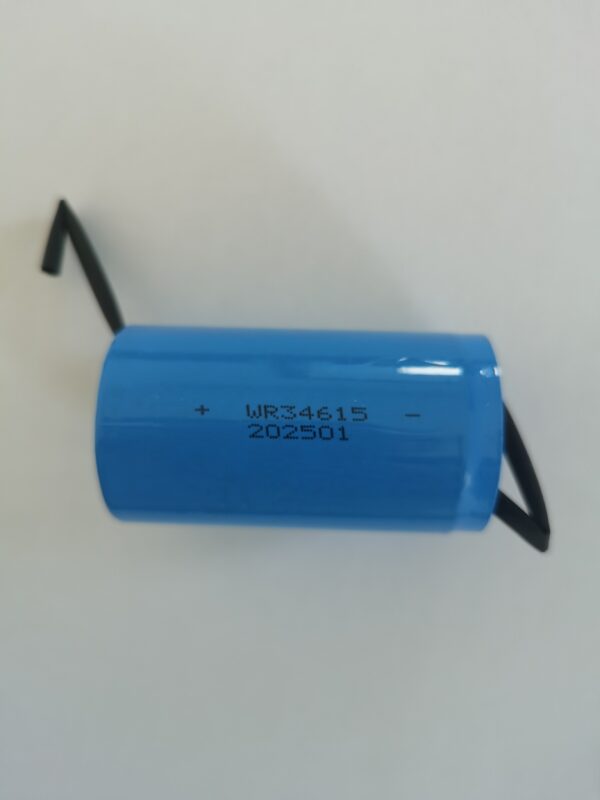
3V Li-MnO₂ Primary Battery | CR Series Full Range
The 3V Li-MnO₂ (Lithium Manganese Dioxide) primary battery represents one of the most reliable power solutions in the modern electronics industry. As a cornerstone of the CR Series, these lithium metal batteries deliver exceptional performance across diverse applications—from medical devices and IoT sensors to security systems and industrial equipment. This comprehensive guide explores the technical advantages, application scenarios, and selection criteria for CR Series lithium primary batteries, providing B2B professionals with actionable insights for procurement and integration.
Understanding Li-MnO₂ Battery Technology
Lithium Manganese Dioxide batteries operate on a straightforward yet sophisticated electrochemical principle. The anode consists of metallic lithium, while the cathode utilizes manganese dioxide (MnO₂), with an organic electrolyte facilitating ion transfer. This chemistry produces a nominal voltage of 3.0V, significantly higher than traditional alkaline cells (1.5V), enabling more efficient power delivery in compact form factors.
Key technical characteristics include:
- Operating Temperature Range: -40°C to +85°C, with specialized variants extending to +125°C
- Shelf Life: 10+ years with less than 1% annual self-discharge
- Energy Density: 280-350 Wh/kg, among the highest for primary batteries
- Stable Voltage Profile: Maintains consistent output throughout discharge cycle
These specifications make Li-MnO₂ batteries particularly suitable for applications requiring long-term reliability without maintenance or recharging infrastructure.
CR Series Form Factor Standardization
The CR designation follows IEC 60086 standards, where “C” indicates lithium manganese dioxide chemistry and “R” denotes cylindrical construction. Common variants include CR2032 (coin cells), CR123A, CR2, and CR12600SC, each serving distinct power requirements.
| Model | Dimensions (mm) | Capacity (mAh) | Typical Applications |
|---|---|---|---|
| CR2032 | 20×3.2 | 210-240 | Memory backup, wearables |
| CR123A | 17×34.5 | 1400-1700 | Cameras, flashlights, security |
| CR2 | 15.6×27.2 | 750-900 | Photography equipment |
| CR14250 | 14×25.2 | 1000-1200 | Meters, IoT devices |
Understanding these specifications enables procurement teams to match battery selection precisely with device power consumption profiles and physical constraints.
Critical Selection Criteria for B2B Buyers
When sourcing CR Series batteries for commercial deployment, several factors demand careful evaluation:
1. Quality Certification Compliance
Ensure suppliers maintain UN 38.3, IEC 60086, RoHS, and REACH certifications. These standards guarantee safe transportation, environmental compliance, and consistent performance across production batches.
2. Manufacturing Consistency
Request batch testing data including voltage distribution, capacity variance, and impedance measurements. Premium manufacturers maintain capacity tolerances within ±3% and voltage consistency above 3.0V throughout shelf life.
3. Customization Capabilities
Leading suppliers offer tab welding, connector integration, and custom packaging solutions. These value-added services reduce assembly costs and improve end-product reliability.
4. Supply Chain Stability
Evaluate manufacturer production capacity, lead times, and inventory management. Reliable partners maintain safety stock levels and provide transparent forecasting for long-term projects.
Application-Specific Considerations
Different industries impose unique requirements on primary battery selection:
Medical Devices: Require batteries with biocompatibility documentation, extended shelf life verification, and lot traceability for regulatory compliance (FDA, CE marking).
Industrial IoT: Demand wide temperature tolerance, low self-discharge rates, and compatibility with wireless transmission power bursts.
Security Systems: Prioritize long-term reliability with minimal maintenance intervals and tamper-resistant construction options.
Automotive Electronics: Need AEC-Q200 qualified components with vibration resistance and extended temperature range performance.
Global Sourcing and Logistics
For international buyers, understanding shipping classifications proves essential. Li-MnO₂ batteries fall under UN 3090 (lithium metal batteries) for standalone shipment or UN 3091 when installed in equipment. Proper documentation, packaging, and labeling ensure smooth customs clearance across regions including North America, Europe, and Asia-Pacific markets.
Leading manufacturers provide comprehensive logistics support including MSDS documentation, test reports, and region-specific compliance certificates. This infrastructure minimizes deployment delays and regulatory complications.
Partner Selection and Technical Support
Choosing the right battery supplier extends beyond product specifications. Evaluate potential partners based on technical support responsiveness, engineering collaboration capabilities, and after-sales service infrastructure. Suppliers offering application engineering assistance can optimize battery selection for specific use cases, potentially reducing total cost of ownership by 15-25%.
For comprehensive product information and technical consultation, visit our primary battery product range. Our engineering team provides detailed specification sheets, application notes, and custom solution development for B2B clients worldwide.
Conclusion
The 3V Li-MnO₂ CR Series represents a mature, reliable technology platform for primary power requirements across multiple industries. Success in deployment depends on understanding technical specifications, matching battery characteristics to application demands, and partnering with qualified suppliers who maintain rigorous quality standards.
By prioritizing certification compliance, manufacturing consistency, and supply chain reliability, procurement professionals can ensure optimal performance throughout product lifecycles. For direct communication with our technical sales team regarding CR Series battery solutions, please contact us for customized quotations and engineering support.
Investing in quality lithium primary batteries delivers measurable returns through reduced warranty claims, extended product service life, and enhanced end-user satisfaction—critical factors for maintaining competitive advantage in global markets.
