

Ultimate Guide to 18650 LFP Cells for EV 2026 – Complete Low MOQ Focus
The electric vehicle landscape in 2026 is witnessing a decisive shift toward lithium iron phosphate (LFP) chemistry, and 18650 cylindrical cells are at the forefront of this transformation. For B2B buyers, fleet operators, and EV manufacturers seeking reliable battery solutions with flexible procurement terms, understanding the technical advantages and sourcing strategies for 18650 LFP cells has become essential. This guide delivers comprehensive insights tailored for international businesses evaluating low minimum order quantity (MOQ) options from established Chinese battery manufacturers.
Why 18650 LFP Cells Dominate EV Applications in 2026
LFP battery technology has evolved from a niche alternative to a mainstream choice for electric mobility. The 18650 form factor—18mm diameter, 65mm length, cylindrical design—offers proven manufacturing scalability and thermal management advantages. Unlike NMC or NCA chemistries, LFP cells utilize lithium iron phosphate (LiFePO₄) as the cathode material, delivering exceptional thermal stability and safety characteristics critical for automotive applications.
Key technical specifications for 2026-grade 18650 LFP cells include:
- Nominal Voltage: 3.2V (vs. 3.6-3.7V for NMC)
- Charging Cut-off: 3.6V maximum
- Cycle Life: 3,000-5,000 full cycles at 80% depth of discharge
- Operating Temperature: -20°C to 60°C with 70%+ capacity retention at low temperatures
- Energy Density: 140-160 Wh/kg (improved from previous generations)
The safety profile remains the standout advantage. LFP chemistry exhibits superior resistance to thermal runaway, making it ideal for commercial EV fleets, light electric vehicles, and applications where operational reliability outweighs maximum energy density requirements.
Low MOQ Procurement: Breaking Traditional Barriers
Historically, battery cell procurement required substantial volume commitments, creating barriers for startups, prototype developers, and regional EV assemblers. The 2026 market landscape has transformed significantly. Leading Chinese manufacturers now offer flexible low MOQ arrangements without compromising quality certification or technical support.
For businesses evaluating cylindrical battery cell options, low MOQ programs typically include:
- Sample orders for validation testing
- Pilot production batches (500-5,000 units)
- Graduated pricing structures scaling with volume
- Full documentation including UN38.3, MSDS, and IEC certifications
This flexibility enables faster time-to-market for emerging EV manufacturers while maintaining supply chain resilience through diversified sourcing strategies.
Technical Considerations for EV Integration
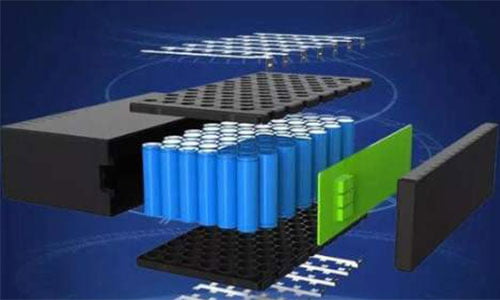
Successful 18650 LFP integration requires attention to several engineering parameters. Battery management systems (BMS) must account for the flatter voltage discharge curve characteristic of LFP chemistry, requiring more sophisticated state-of-charge estimation algorithms. Pack designers should leverage the cylindrical form factor’s natural cooling channels while ensuring proper cell-to-cell spacing for thermal expansion.
When sourcing from battery manufacturers in China, verify these critical qualifications:
- ISO 9001 and IATF 16949 automotive quality certifications
- In-house cell testing laboratories with cycle life validation
- Traceability systems for raw material sourcing
- Production capacity exceeding stated MOQ commitments
Geographic Sourcing Advantages
China remains the global epicenter for LFP cell production, accounting for over 80% of worldwide manufacturing capacity. Regional clusters in Guangdong, Jiangsu, and Fujian provinces offer complete supply chain ecosystems from cathode materials to final pack assembly. For North American and European buyers, working directly with established Chinese manufacturers provides cost advantages of 15-25% compared to locally sourced equivalents, even accounting for logistics and tariffs.
Time zone differences and communication protocols require structured engagement. Reputable suppliers maintain English-speaking technical teams, provide detailed specification sheets, and support third-party quality inspections before shipment.
Quality Verification and Due Diligence
Counterfeit cells and specification misrepresentation remain industry challenges. Implement these verification protocols:
- Request production batch test reports with actual capacity and internal resistance data
- Conduct independent laboratory testing on sample units
- Verify manufacturer business licenses and export certifications
- Establish clear warranty terms covering capacity degradation thresholds
Professional procurement teams should prioritize suppliers offering transparent communication channels and responsive technical support throughout the partnership lifecycle.
Moving Forward with Confidence
The 18650 LFP cell market in 2026 offers unprecedented opportunities for businesses of all scales. Whether developing light electric vehicles, commercial fleets, or energy storage-integrated EV systems, the combination of mature technology, flexible procurement terms, and competitive pricing creates favorable conditions for strategic battery sourcing.
For detailed technical consultations and customized procurement solutions, reach out through our contact page to connect with experienced battery specialists who understand both the technical requirements and commercial considerations of modern EV battery procurement.
The transition to electrification demands reliable, safe, and economically viable battery solutions. 18650 LFP cells, sourced through reputable low MOQ channels, represent a pragmatic pathway for businesses entering or expanding within the electric vehicle sector in 2026 and beyond.

