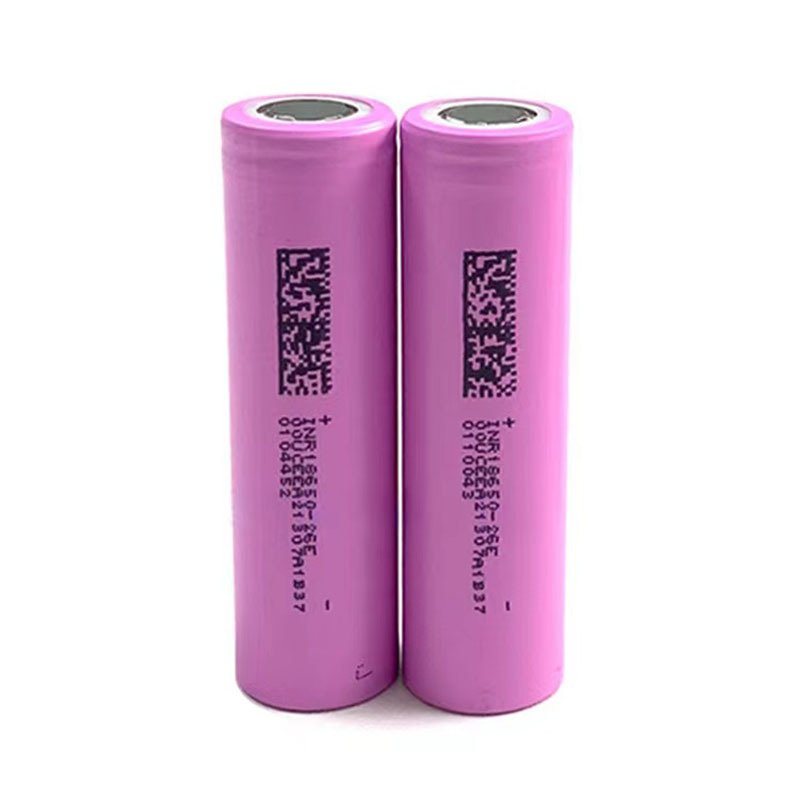
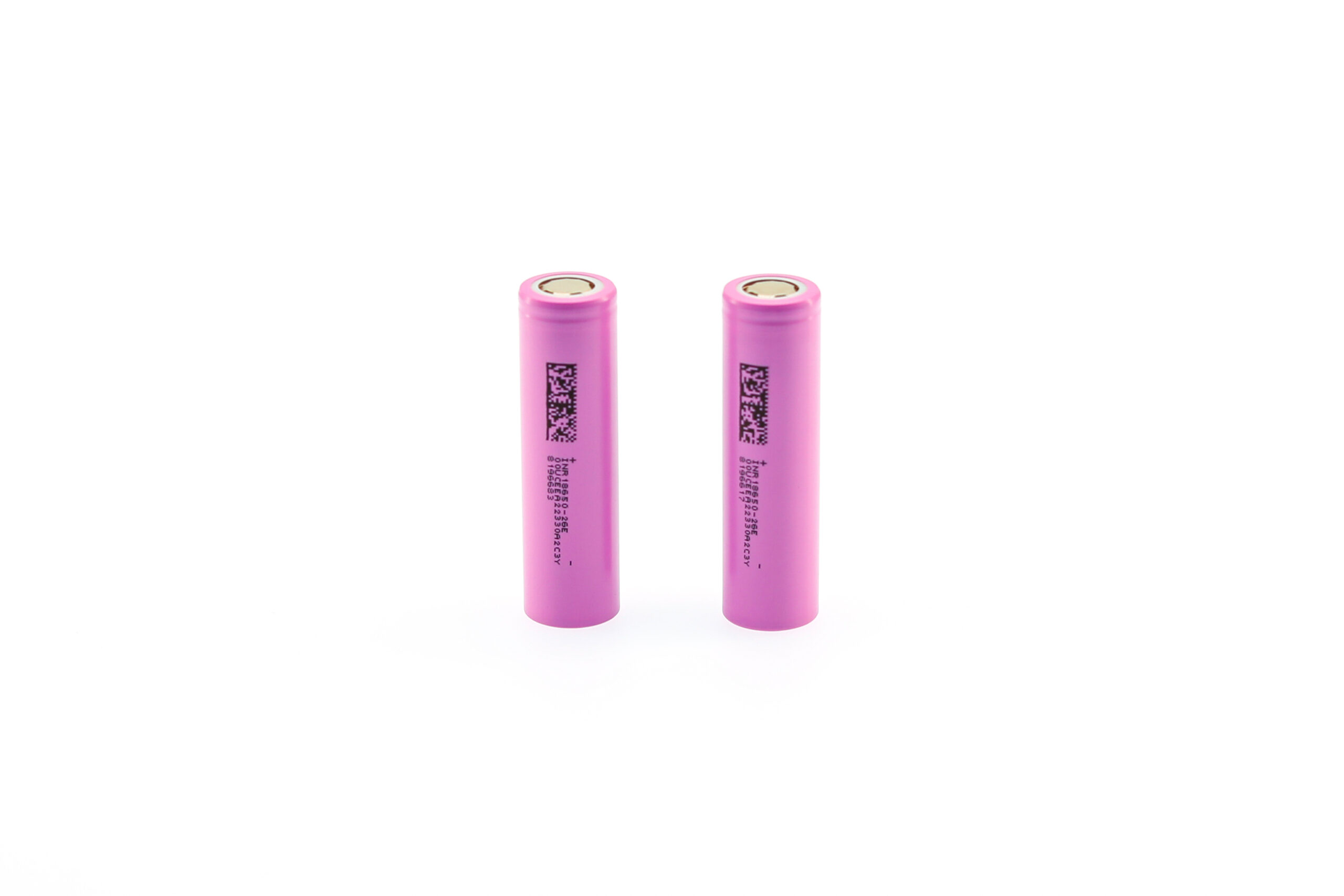
2026 LFP Cylindrical Battery Supplier: Fix Minimal Capacity Fade in E-bike Using 18650 Cells Ideal for Manufacturers
As we advance into 2026, the electric mobility landscape is undergoing a significant transformation, particularly within the micro-mobility sector. For e-bike manufacturers, the demand for reliability and longevity has surpassed the initial focus on raw energy density. The industry is increasingly recognizing that Lithium Iron Phosphate (LFP) chemistry, specifically in the cylindrical 18650 format, offers the optimal balance of safety, cycle life, and total cost of ownership. However, even with robust chemistry, capacity fade remains a critical concern for B2B buyers evaluating long-term performance. As a professional lithium battery practitioner, I assert that selecting the right supplier is the first step in mitigating degradation. For manufacturers seeking verified partners, understanding the technical nuances of battery manufacturers in China is essential for securing supply chains that prioritize quality over mere capacity claims.
The Shift to LFP 18650 in 2026 E-bike Applications
Historically, Nickel Manganese Cobalt (NMC) cells dominated the e-bike market due to their high specific energy. However, by 2026, the paradigm has shifted. The safety risks associated with thermal runaway in NMC cells, coupled with the volatility of cobalt prices, have driven OEMs toward LFP solutions. The 18650 cylindrical form factor remains ideal for this transition. Its standardized dimensions allow for mature manufacturing processes, excellent mechanical stability, and efficient thermal management within battery packs.
For e-bike manufacturers, the primary advantage of LFP 18650 cells lies in their structural stability. The olivine crystal structure of LFP is inherently more stable than the layered oxide structure of NMC, reducing the risk of oxygen release during high-temperature events. This chemical stability translates directly to a slower rate of capacity fade over the battery’s lifecycle. When sourcing these components, it is crucial to partner with suppliers who specialize in high-quality cylindrical formats. You can explore specific technical specifications for these cells at our cylindrical battery cell product page to ensure compatibility with your pack designs.
Technical Analysis: Mechanisms of Capacity Fade and Solutions
Capacity fade in lithium-ion batteries is primarily driven by the loss of lithium inventory and the degradation of active materials. In the context of LFP 18650 cells used in e-bikes, three main factors accelerate this process: Solid Electrolyte Interphase (SEI) growth, mechanical stress from cycling, and electrolyte decomposition.
1. SEI Layer Stabilization
The SEI layer forms on the anode surface during the initial cycles. While necessary, continuous growth of this layer consumes active lithium ions, leading to capacity loss. In 2026, advanced electrolyte additives are employed to stabilize the SEI layer, preventing excessive thickening. High-quality manufacturers utilize proprietary electrolyte formulas that maintain ionic conductivity while suppressing side reactions. This is a key differentiator when evaluating potential suppliers.
2. Mechanical Integrity and Cycling
E-bike batteries undergo frequent charge-discharge cycles, often in varying temperature conditions. LFP materials experience minimal volume expansion during lithiation compared to other chemistries, but mechanical stress from the cylindrical casing can still impact performance. Precision manufacturing ensures that the internal winding tension and tab welding are optimized to reduce internal resistance growth. Lower internal resistance means less heat generation during high-current discharge, which directly correlates to reduced degradation rates.
3. Thermal Management and BMS Integration
Even with stable chemistry, thermal management is vital. LFP cells perform best within a specific temperature window. A robust Battery Management System (BMS) that accurately monitors cell voltage and temperature is necessary to prevent overcharging and deep discharging, both of which accelerate fade. Manufacturers must ensure that the 18650 cells they procure have consistent internal resistance matching, allowing the BMS to balance the pack effectively.
Strategic Sourcing for Manufacturers
For global manufacturers, the supply chain is as critical as the technology. China remains the hub for advanced battery cell production, offering scale and technical expertise. However, not all suppliers adhere to the same quality standards. In 2026, the focus is on traceability and consistency. Manufacturers should look for partners who provide detailed test reports, including cycle life data under realistic e-bike load profiles.
When evaluating a supplier, consider their commitment to R&D and quality control systems. A reliable partner will offer transparency regarding their cell grading processes and warranty terms. For direct inquiries regarding bulk orders or custom specifications, please visit our contact page to connect with our engineering team. We understand that every e-bike application has unique power requirements, and our solutions are tailored to meet these specific demands while ensuring minimal capacity fade over thousands of cycles.
Conclusion
The transition to LFP 18650 cells in the 2026 e-bike market is not just a trend; it is a strategic necessity for manufacturers aiming to deliver durable and safe products. By understanding the technical mechanisms behind capacity fade and selecting a supplier committed to high-quality cylindrical cell production, manufacturers can significantly enhance the lifespan and reliability of their e-bike batteries. The focus must remain on chemical stability, mechanical precision, and integrated thermal management. As the industry evolves, partnering with a knowledgeable and transparent supplier will be the key differentiator in a competitive market. Let us collaborate to build the future of sustainable micro-mobility with battery solutions that stand the test of time.