

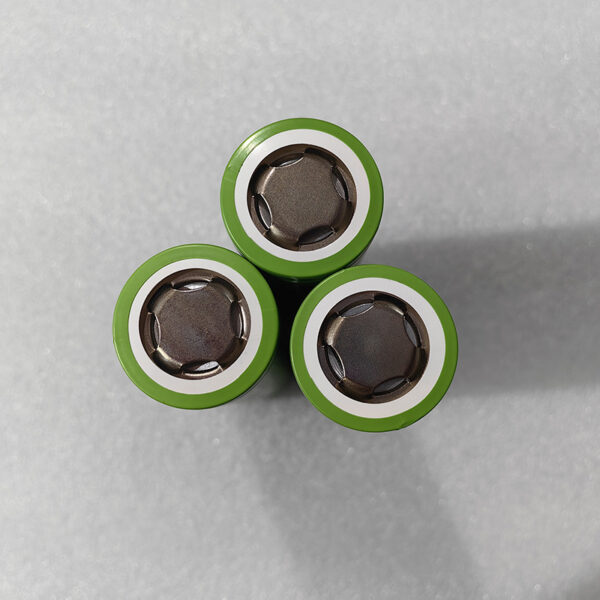
Factory Direct 18650 LFP Cells China Export: No Fast Charging Without Heat for Solar Storage Projects – Top 5 Problems & Solutions
The global transition toward renewable energy has intensified demand for reliable solar energy storage systems. Among various battery technologies, 18650 LFP (Lithium Iron Phosphate) cells have emerged as a preferred choice for solar storage projects due to their superior safety, extended cycle life, and thermal stability. However, achieving fast charging without excessive heat generation remains a critical engineering challenge. This article examines the top five problems encountered when deploying factory-direct 18650 LFP cells from China in solar storage applications, along with practical solutions for international engineers and technical procurement specialists.
Understanding 18650 LFP Cell Fundamentals
Before addressing specific challenges, it is essential to understand the electrochemical principles underlying LFP technology. Unlike NMC (Nickel Manganese Cobalt) or NCA (Nickel Cobalt Aluminum) chemistries, LFP cells feature a more stable olivine crystal structure that inherently resists thermal runaway. The nominal voltage of 3.2V per cell and operating temperature range of -20°C to 60°C make them particularly suitable for outdoor solar installations. However, the lower energy density compared to other lithium-ion variants requires careful system design to optimize performance without compromising safety during fast-charging operations.
Problem 1: Thermal Runaway During High-Rate Charging
Challenge: Fast charging generates significant heat due to internal resistance and electrochemical reactions. Without proper thermal management, cell temperatures can exceed safe thresholds, accelerating degradation or triggering safety mechanisms.
Solution: Implement active thermal management systems combining passive heat dissipation with intelligent BMS (Battery Management System) controls. Advanced liquid cooling systems with dual PCMs (Phase Change Materials) have demonstrated effectiveness in maintaining optimal operating temperatures during rapid charge cycles. Engineers should specify cells with internal temperature sensors and configure charging protocols that dynamically adjust current based on real-time thermal data.
Problem 2: Cell Balancing Inconsistencies in Large Arrays
Challenge: Solar storage systems typically connect hundreds of 18650 cells in series-parallel configurations. Manufacturing tolerances create capacity and impedance variations that worsen during fast charging, leading to uneven stress distribution.
Solution: Deploy active cell balancing circuits rather than passive resistor-based systems. Modern BMS architectures can monitor individual cell voltages with ±2mV accuracy and redistribute energy between cells during charging. Procurement teams should verify manufacturer specifications for cell matching tolerances, ideally requesting batches with capacity variance below 3% and internal resistance variance under 5mΩ. For comprehensive product specifications, visit our cylindrical battery cell catalog.
Problem 3: Degraded Cycle Life from Improper Charging Profiles
Challenge: Aggressive fast-charging protocols can reduce LFP cycle life from the rated 6,000+ cycles to under 3,000 cycles, significantly impacting project economics and ROI calculations.
Solution: Adopt multi-stage charging algorithms that transition from constant current (CC) to constant voltage (CV) at optimized thresholds. Research indicates that limiting maximum charge rates to 1C-2C for LFP chemistry preserves cycle life while maintaining acceptable charging times. Additionally, implementing temperature-compensated voltage limits prevents overcharging during elevated temperature conditions. Engineers should request detailed cycle life test data from manufacturers under various charging scenarios before finalizing procurement decisions.
Problem 4: Supply Chain Quality Variability from Chinese Manufacturers
Challenge: The Chinese battery manufacturing landscape includes both Tier-1 producers and lower-quality facilities. Inconsistent quality control can result in cells that fail to meet advertised specifications, particularly regarding thermal performance during fast charging.
Solution: Establish rigorous vendor qualification processes including third-party testing, factory audits, and sample validation. Request UN38.3, IEC62619, and UL1642 certification documentation. Reputable battery manufacturers in China maintain ISO9001-certified production facilities with automated quality inspection systems. Procurement contracts should include performance guarantees with penalties for specification deviations.
Problem 5: Integration Challenges with Existing Solar Inverter Systems
Challenge: Many solar storage projects require retrofitting 18650 LFP battery banks with existing inverter infrastructure not originally designed for lithium chemistry fast-charging characteristics.
Solution: Conduct comprehensive compatibility assessments before system integration. Modern hybrid inverters support programmable charging profiles that can be customized for LFP specifications. Communication protocols such as CAN bus or RS485 enable real-time data exchange between BMS and inverter, allowing dynamic adjustment of charging parameters based on battery state-of-charge and temperature conditions.
Conclusion: Strategic Procurement for Optimal Performance
Successfully deploying factory-direct 18650 LFP cells in solar storage projects requires addressing thermal management, cell balancing, charging protocols, supplier quality, and system integration simultaneously. International engineers and procurement specialists should prioritize manufacturers who provide comprehensive technical support, validated test data, and transparent supply chain documentation.
For organizations seeking reliable partnerships with verified Chinese battery suppliers, we recommend connecting with established manufacturers who maintain international quality certifications and offer dedicated engineering support. To explore collaboration opportunities or request technical consultations, please visit our contact page.
The future of solar energy storage depends on balancing performance, safety, and cost-effectiveness. By understanding and addressing these five critical challenges, project developers can maximize the value of 18650 LFP technology while ensuring long-term system reliability and operational safety.


