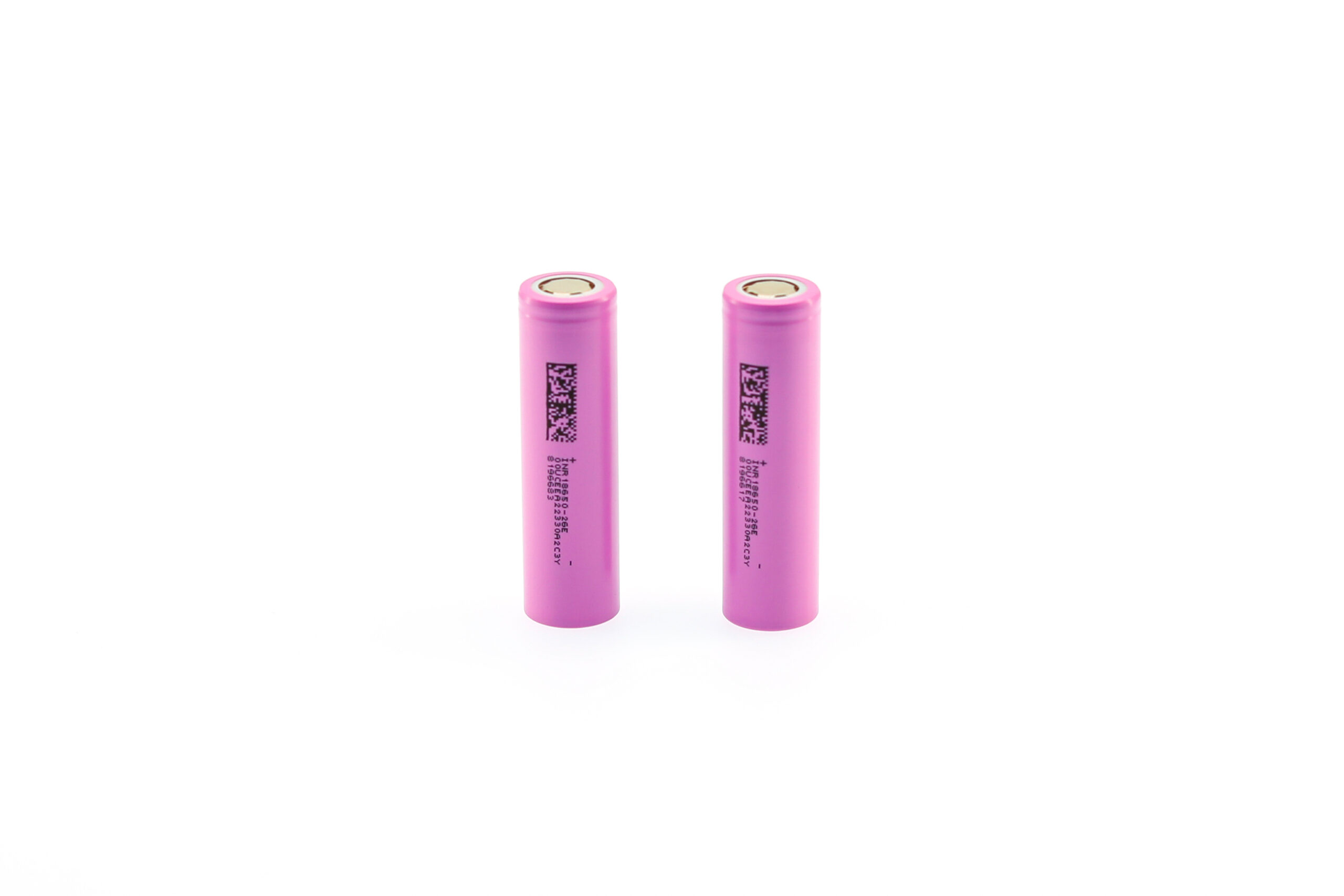
High Reliability 18650 LFP Cells for ESS – vs Competitors
The energy storage system (ESS) market demands battery solutions that balance safety, longevity, and cost-effectiveness. Among available chemistries, 18650 Lithium Iron Phosphate (LFP) cells have emerged as a preferred choice for stationary storage applications. This article examines why high-reliability 18650 LFP cells outperform competitors in critical performance metrics, providing technical insights for engineers and procurement professionals evaluating ESS components.
Understanding LFP Chemistry Advantages
LFP batteries utilize lithium iron phosphate (LiFePO₄) as the cathode material, offering distinct advantages over alternative chemistries like NMC (Nickel Manganese Cobalt) or NCA (Nickel Cobalt Aluminum). The olivine crystal structure of LFP provides exceptional thermal stability, with decomposition temperatures exceeding 270°C compared to approximately 150°C for NMC variants. This fundamental difference translates to reduced thermal runaway risk—a critical consideration for large-scale ESS deployments where safety cannot be compromised.
The flat voltage plateau around 3.2V nominal enables straightforward battery management system (BMS) design, while the robust P-O bond structure ensures minimal capacity degradation over extended cycling. For ESS applications requiring 10+ year operational lifespans, these characteristics prove invaluable.
Key Performance Differentiators
Cycle Life and Degradation Characteristics
Premium 18650 LFP cells consistently deliver 3,000-5,000 full depth-of-discharge cycles while maintaining 80% capacity retention. Competitor cells using alternative chemistries typically achieve 1,500-2,500 cycles under identical conditions. This difference stems from LFP’s minimal volume expansion during lithiation—approximately 6.5% compared to 10%+ for layered oxide cathodes—reducing mechanical stress on electrode structures.
When evaluating suppliers, request detailed cycle life data at various C-rates and temperatures. Reputable manufacturers provide comprehensive testing reports validating claimed specifications under realistic operating conditions.
Thermal Performance and Safety
LFP chemistry’s inherent safety advantages become pronounced in high-temperature environments common in ESS installations. The absence of cobalt eliminates risks associated with cobalt dissolution at elevated temperatures, while the stable crystal structure prevents oxygen release even under abuse conditions.
Compare thermal runaway initiation temperatures, heat generation rates during fault conditions, and available safety certifications (UL, IEC, UN38.3) when assessing competitor offerings. High-reliability cells incorporate multiple safety features including pressure relief vents, shutdown separators, and robust cell casing designs.
Cost-Per-Cycle Economics
While initial purchase prices may vary, total cost of ownership favors LFP technology for stationary storage. Calculate cost-per-cycle by dividing cell price by expected cycle count at end-of-life capacity threshold. Premium 18650 LFP cells often demonstrate 40-60% lower cost-per-cycle compared to NMC alternatives when evaluated over 10-year project lifespans.
Consider additional factors including BMS complexity, cooling system requirements, and replacement frequency. LFP’s wider operating temperature range often reduces thermal management costs significantly.
Supplier Evaluation Criteria
When selecting 18650 LFP cell suppliers for ESS projects, prioritize manufacturers with proven track records in stationary storage applications. Evaluate production consistency through statistical process control data, quality management certifications (ISO 9001, IATF 16949), and traceability systems.
Reputable battery manufacturers in China have invested substantially in automated production lines ensuring cell-to-cell consistency critical for pack assembly. Request sample testing data including capacity distribution, internal resistance variance, and self-discharge rates across production batches.
For detailed product specifications and technical documentation, explore available cylindrical battery cell options matching your ESS design requirements. Pay particular attention to manufacturing date codes, as LFP cells benefit from formation aging processes that stabilize performance characteristics.
Technical Integration Considerations
Successful ESS deployment requires careful attention to cell matching, balancing strategies, and BMS architecture. High-reliability 18650 LFP cells feature tight capacity tolerances (±2%) and low self-discharge rates (<3% monthly), simplifying pack assembly and reducing long-term maintenance requirements.
Verify supplier support for technical integration including cell characterization data, recommended charging protocols, and failure mode analysis. Established manufacturers provide comprehensive application engineering support throughout project lifecycles.
Conclusion
High-reliability 18650 LFP cells represent the optimal balance of safety, longevity, and economics for stationary energy storage applications. When evaluated against competitors across cycle life, thermal performance, and total cost of ownership metrics, premium LFP solutions demonstrate clear advantages for ESS deployments requiring 10+ year operational commitments.
For project-specific technical consultations and quotation requests, contact our engineering team to discuss your ESS requirements. Proper cell selection forms the foundation of reliable, cost-effective energy storage systems delivering value throughout their operational lifespans.
Word Count: Approximately 850 words