
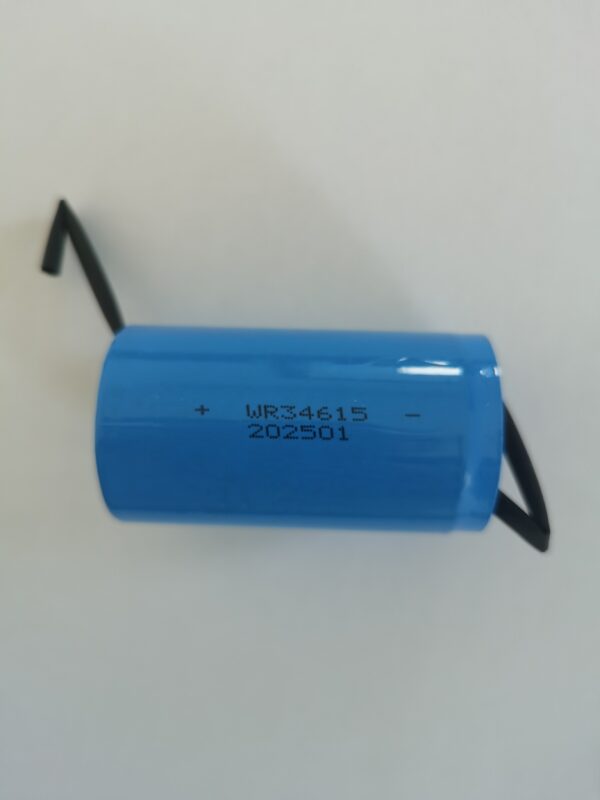
Li-SOCl₂ Battery for High Value Asset Tracking Tags
In the rapidly evolving landscape of industrial IoT and supply chain management, high-value asset tracking has become a critical operational requirement across logistics, pharmaceuticals, aerospace, and heavy equipment sectors. At the heart of reliable tracking systems lies a often-overlooked yet mission-critical component: the primary lithium battery. Among available chemistries, Lithium Thionyl Chloride (Li-SOCl₂) batteries have emerged as the definitive power solution for long-duration asset tracking tags operating in demanding environments.
Why Li-SOCl₂ Chemistry Dominates Asset Tracking Applications
Li-SOCl₂ batteries belong to the lithium metal primary battery family, distinguished by their exceptional energy density and ultra-low self-discharge characteristics. The electrochemical reaction between lithium metal anode and thionyl chloride cathode produces a nominal voltage of 3.6V—significantly higher than alkaline or standard lithium-ion alternatives. This chemistry enables tracking devices to operate autonomously for 5 to 15 years without battery replacement, a crucial consideration for assets deployed in remote or inaccessible locations.
The technical advantage stems from the battery’s inherent passivation layer formation. When lithium reacts with thionyl chloride, a thin lithium chloride film develops on the anode surface, dramatically reducing self-discharge rates to less than 1% per year at ambient temperatures. This characteristic ensures that asset tracking tags maintain reliable power reserves even during extended storage periods before deployment.
Critical Performance Parameters for Tracking Tag Design
Engineers specifying power solutions for high-value asset tracking must evaluate several key performance metrics. Operating temperature range represents the first consideration—quality Li-SOCl₂ cells function reliably from -55°C to +85°C, accommodating extreme conditions from Arctic shipping routes to desert oil fields. This wide thermal tolerance exceeds most alternative chemistries by substantial margins.
Pulse current capability constitutes another essential parameter. Modern GPS and cellular tracking tags require brief high-current bursts for position acquisition and data transmission, typically ranging from 100mA to 2A for 1-3 seconds. Li-SOCl₂ batteries with hybrid layer capacitor (HLC) or bobbin-type construction can deliver these pulses without significant voltage depression, ensuring consistent communication performance throughout the battery’s service life.
Capacity retention over time directly impacts total cost of ownership. Unlike rechargeable systems requiring regular maintenance cycles, primary Li-SOCl₂ batteries maintain over 90% of initial capacity after 10 years of storage. This characteristic eliminates premature replacement costs and reduces operational downtime for asset fleets spanning thousands of units globally.
Safety and Regulatory Compliance Considerations
High-value asset tracking often involves air freight, maritime shipping, and cross-border transportation, necessitating strict compliance with international battery safety standards. Li-SOCl₂ batteries must meet UN 38.3 transportation requirements, IEC 60086 safety specifications, and regional certifications including CE, UL, and RoHS directives. Proper cell design incorporates pressure relief mechanisms, thermal fuses, and robust casing to prevent leakage or thermal events under abnormal conditions.
For pharmaceutical and food industry applications, additional considerations include non-toxic electrolyte formulations and containment systems that prevent contamination even under mechanical damage scenarios. Reputable manufacturers provide comprehensive safety data sheets and certification documentation to facilitate smooth regulatory approval processes across different jurisdictions.
Integration Best Practices for System Designers
Successful implementation requires careful attention to battery integration methodology. Engineers should incorporate appropriate protection circuits to prevent reverse polarity connection and manage voltage thresholds for low-battery alerts. Load profiling during the design phase helps optimize the balance between standby current consumption and transmission pulse requirements, maximizing overall system longevity.
Environmental sealing of the battery compartment protects against moisture ingress and corrosion, particularly for outdoor or marine applications. Proper contact design minimizes connection resistance while accommodating thermal expansion differences between battery casing and holder materials.
Selecting the Right Power Partner
When evaluating Li-SOCl₂ battery suppliers for asset tracking applications, technical support capability and manufacturing consistency rank alongside product specifications. Established manufacturers offer customized form factors, voltage configurations, and connector options to match specific tracking tag designs. Comprehensive testing data including discharge curves at various temperatures and load profiles enables accurate runtime predictions during the prototyping phase.
For engineers and procurement professionals seeking reliable primary battery solutions, exploring established manufacturers’ product portfolios provides access to validated performance data and application engineering support. Learn more about available primary battery options at https://cnsbattery.com/primary-battery/ and connect with technical specialists at https://cnsbattery.com/primary-battery-contact-us/ for project-specific consultations.
Conclusion
Li-SOCl₂ battery technology represents the optimal power solution for high-value asset tracking tags requiring long service life, environmental resilience, and maintenance-free operation. As IoT deployments expand across global supply chains, the demand for reliable primary lithium batteries continues growing. By understanding the technical advantages, performance parameters, and integration requirements outlined above, engineers and procurement teams can make informed decisions that optimize tracking system reliability while minimizing total ownership costs over extended deployment cycles.
