
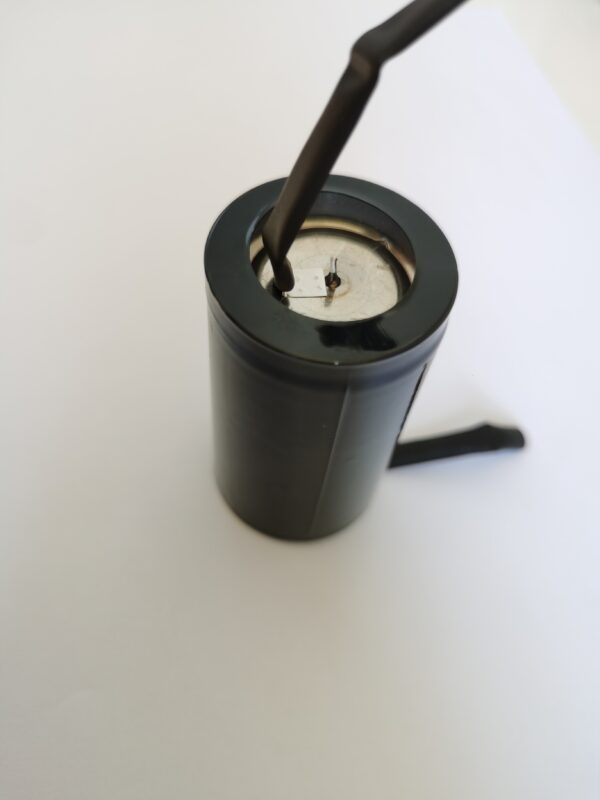
Li-SOCl₂ Battery for Water Treatment Plant Flow Meters: The Optimal Power Solution for Critical Infrastructure
Water treatment plants represent critical infrastructure where uninterrupted monitoring is non-negotiable. Electromagnetic flow meters, essential for measuring water distribution, wastewater processing, and chemical dosing accuracy, demand power sources that deliver exceptional reliability over extended periods. Among all available options, Lithium Thionyl Chloride (Li-SOCl₂) batteries have emerged as the industry-standard power solution for these critical applications. This article examines why Li-SOCl₂ technology is uniquely suited for water treatment flow meter applications and what engineering teams should consider when specifying battery systems.
Understanding Li-SOCl₂ Battery Technology
Li-SOCl₂ batteries belong to the lithium primary (non-rechargeable) battery family, utilizing lithium metal as the anode and thionyl chloride (SOCl₂) as both cathode active material and electrolyte solvent. The electrochemical reaction produces lithium chloride, sulfur, and sulfur dioxide, generating a nominal voltage of 3.6V—significantly higher than alkaline or other lithium chemistries.
The fundamental advantage lies in the energy density. Li-SOCl₂ cells achieve 590-750 Wh/kg, the highest among practical primary battery systems. This exceptional energy density translates directly into extended operational life for flow meters, often exceeding 10-15 years depending on pulse transmission frequency and environmental conditions. For water treatment facilities where meter access requires shutdown procedures or confined space entry, this longevity reduces maintenance costs and operational disruption substantially.
Why Water Treatment Flow Meters Demand Li-SOCl₂
Water treatment environments present unique challenges that eliminate many conventional battery options:
1. Extended Deployment Cycles
Flow meters in water distribution networks are typically installed in underground vaults, treatment basins, or remote pumping stations. Battery replacement intervals must align with infrastructure maintenance schedules, often spanning a decade or more. Li-SOCl₂’s low self-discharge rate (less than 1% per year at ambient temperature) ensures capacity retention throughout these extended deployment periods.
2. Temperature Extremes
Water treatment facilities operate across diverse climates. Underground installations may experience temperatures from -20°C to +60°C, while surface equipment faces direct solar exposure. Li-SOCl₂ batteries maintain stable performance across -55°C to +85°C operating ranges, with specialized variants rated to 150°C for extreme industrial applications.
3. Low Current, Long Duration Profiles
Electromagnetic flow meters typically operate in sleep-wake cycles, drawing micro-ampere currents during standby and brief milli-ampere pulses during measurement and data transmission. Li-SOCl₂ chemistry excels at low-rate discharge applications, delivering consistent voltage throughout the discharge curve without the voltage depression common in other chemistries.
4. Reliability Requirements
Water treatment is regulated infrastructure. Meter failures can trigger compliance violations, billing disputes, or undetected leaks. Li-SOCl₂ batteries provide predictable end-of-life voltage characteristics, enabling proactive replacement scheduling before critical failure occurs.
Technical Selection Criteria for Engineering Teams
When specifying Li-SOCl₂ batteries for flow meter applications, technical procurement professionals should evaluate:
Capacity Matching: Calculate total energy consumption based on measurement frequency, communication protocol (4-20mA, pulse output, or wireless telemetry), and expected deployment duration. Add 20-30% safety margin for temperature effects and aging.
Voltage Lag Mitigation: Li-SOCl₂ cells can exhibit voltage lag after extended storage, particularly at low temperatures. Select manufacturers who employ passivation control technology or specify pre-conditioned cells for critical applications.
Safety Certifications: Verify compliance with UN 38.3 transportation requirements, IEC 60086 safety standards, and any regional certifications required for your installation jurisdiction. Recent regulatory changes in 2026 have streamlined export procedures for cells under 1kg thionyl chloride content, improving supply chain efficiency.
Manufacturer Qualification: Partner with established suppliers who provide technical documentation, batch traceability, and application engineering support. Explore primary battery solutions from qualified manufacturers who understand water treatment industry requirements.
Economic Considerations Beyond Unit Cost
While Li-SOCl₂ batteries carry higher upfront costs than alkaline or lithium-ion alternatives, total cost of ownership favors lithium thionyl chloride for water treatment applications:
- Reduced Maintenance Visits: Each field service call for battery replacement involves labor, equipment, and potential process interruption costs
- Lower Failure Risk: Predictable performance reduces emergency response requirements
- Inventory Simplification: Extended shelf life (10+ years) minimizes spare parts inventory carrying costs
Implementation Best Practices
For optimal performance, follow these deployment guidelines:
- Storage: Maintain batteries at 15-25°C before installation. Avoid temperature cycling during storage.
- Installation: Verify polarity and connection integrity. Use dielectric grease on terminals in high-humidity environments.
- Monitoring: Implement voltage monitoring where feasible to enable predictive replacement scheduling.
- Documentation: Record installation dates and batch numbers for warranty tracking and failure analysis.
Conclusion
Li-SOCl₂ battery technology represents the optimal balance of energy density, longevity, and reliability for water treatment plant flow meter applications. As infrastructure modernization accelerates globally and regulatory requirements tighten, specifying the correct power source becomes increasingly critical for operational excellence.
Engineering teams and technical purchasers should prioritize partnerships with manufacturers who demonstrate application expertise, quality certifications, and responsive technical support. For detailed specifications and application consultation, contact our battery specialists to discuss your specific water treatment flow meter power requirements.
The investment in proper Li-SOCl₂ battery selection pays dividends through reduced maintenance costs, improved data reliability, and uninterrupted compliance monitoring—essential outcomes for modern water treatment operations.
