
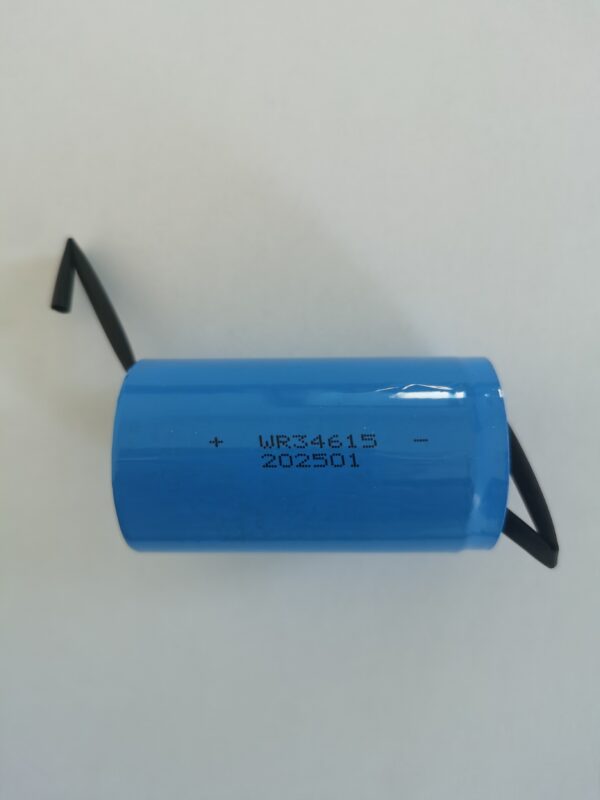
Industrial Lithium Battery Bulk Wholesale | Factory Price
For engineering teams and technical procurement specialists seeking reliable power solutions, sourcing industrial lithium batteries at factory-direct prices represents a strategic advantage in project costing and supply chain stability. This article examines the critical considerations for bulk wholesale procurement of primary lithium metal batteries, combining technical fundamentals with practical purchasing insights for B2B decision-makers.
Understanding Primary Lithium Battery Technology
Primary lithium batteries, distinct from rechargeable lithium-ion systems, utilize lithium metal as the anode material. These non-rechargeable cells offer exceptional energy density, typically ranging from 280 to 350 Wh/kg, making them ideal for long-duration applications where battery replacement is impractical. The electrochemical reaction between lithium metal and various cathode materials—such as manganese dioxide (Li-MnO₂), thionyl chloride (Li-SOCl₂), or sulfur dioxide (Li-SO₂)—determines the specific performance characteristics including voltage output, discharge profiles, and operating temperature ranges.
For industrial applications, lithium thionyl chloride chemistry remains the gold standard, delivering nominal voltages of 3.6V and operational lifespans exceeding 10 years under proper storage conditions. The passive film formation on the lithium anode surface, known as the solid electrolyte interphase (SEI), contributes to extremely low self-discharge rates below 1% annually, a critical factor for remote monitoring and IoT deployments.
Key Factors in Bulk Wholesale Procurement
1. Technical Specification Alignment
Engineering teams must verify that battery specifications match application requirements precisely. Critical parameters include continuous and pulse discharge capabilities, operating temperature ranges (typically -55°C to +85°C for industrial grades), and capacity ratings under specific load conditions. Factory-direct suppliers should provide comprehensive technical datasheets with discharge curves at various temperatures and load profiles.
2. Quality Certification and Compliance
Industrial-grade lithium batteries require appropriate safety certifications including UN 38.3 for transportation, IEC 60086-4 for safety specifications, and RoHS compliance for environmental standards. Bulk purchasers should request certification documentation and verify manufacturing facility audits. Traceability through batch numbering and quality control records ensures accountability throughout the supply chain.
3. Pricing Structure and Volume Tiers
Factory pricing models typically feature tiered structures based on order quantities. Understanding the cost breakdown—including cell chemistry, capacity ratings, and customization requirements—enables accurate budget forecasting. Long-term supply agreements often provide additional cost advantages while securing inventory allocation during market fluctuations.
4. Lead Time and Supply Chain Reliability
Production lead times vary significantly among manufacturers, ranging from 2-4 weeks for standard configurations to 8-12 weeks for customized specifications. Evaluating supplier capacity, raw material sourcing stability, and logistics capabilities minimizes project timeline risks. Established manufacturers maintain strategic raw material reserves to buffer against market volatility.
Application-Specific Considerations
Different industrial sectors present unique power requirements. Utility metering applications demand ultra-low self-discharge characteristics for 15+ year deployments. Medical devices require stringent quality control and biocompatibility considerations. Oil and gas exploration equipment needs extended temperature performance and vibration resistance. Automotive TPMS systems prioritize pulse discharge capabilities and miniaturization.
Understanding these application nuances enables more informed supplier selection and specification development. Technical support from manufacturers during the design phase can optimize battery selection and prevent costly redesigns later in product development cycles.
Partnering with the Right Supplier
Selecting an appropriate manufacturing partner extends beyond price considerations. Evaluate technical support capabilities, customization flexibility, and after-sales service infrastructure. Established suppliers maintain engineering teams capable of providing application-specific recommendations and troubleshooting support throughout product lifecycles.
For comprehensive product information and technical consultation regarding primary lithium battery solutions, visit our product catalog. Our engineering team supports bulk procurement projects with detailed specifications, sample evaluation programs, and customized packaging options.
Conclusion
Industrial lithium battery bulk wholesale at factory prices offers significant advantages for B2B purchasers when approached with thorough technical evaluation and supplier due diligence. Understanding primary lithium battery fundamentals, verification of quality certifications, and alignment of specifications with application requirements ensures successful long-term deployments. Strategic partnerships with qualified manufacturers provide ongoing technical support and supply chain stability essential for mission-critical industrial applications.
For direct communication regarding bulk orders, technical specifications, or customization requirements, please contact our team for personalized support from our engineering and sales professionals.
