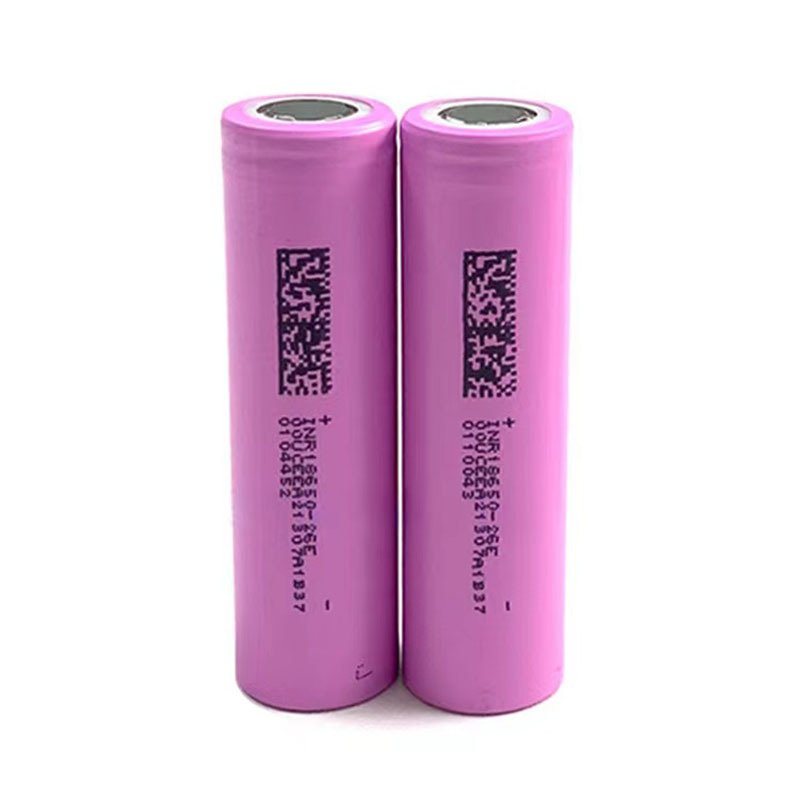
Low Temperature Performance 18650 LFP Cells for Power Tools – Complete Solution
Introduction
When selecting battery cells for power tools operating in cold environments, engineers and technical purchasers face a critical challenge: maintaining performance at low temperatures. Among various lithium-ion chemistries, 18650 LFP (Lithium Iron Phosphate) cells have emerged as a compelling solution, offering exceptional safety, cycle life, and increasingly improved cold-weather performance. This comprehensive guide examines the low-temperature capabilities of 18650 LFP cells specifically for power tool applications, providing actionable insights for technical decision-makers.
Understanding LFP Chemistry in Cold Conditions
Lithium Iron Phosphate chemistry presents unique characteristics compared to traditional NMC or NCA cells. The olivine crystal structure of LFP provides superior thermal stability and safety margins, making it ideal for demanding power tool applications. However, historical limitations in low-temperature performance have required careful engineering considerations.
At temperatures below 0°C, lithium-ion batteries experience increased internal resistance and reduced ion mobility within the electrolyte. For LFP cells specifically, the discharge capacity typically decreases by 10-20% at -10°C compared to room temperature performance. Modern cell manufacturing advancements have significantly improved these metrics through optimized electrolyte formulations and electrode designs.
Key Performance Metrics for Power Tool Applications
Discharge Capability at Low Temperatures
Power tools demand high discharge rates, often requiring 5C to 10C continuous discharge capabilities. Quality 18650 LFP cells now maintain approximately 70-80% of room temperature capacity at -20°C while sustaining required discharge currents. This performance level enables reliable operation in cold storage facilities, outdoor construction sites, and winter maintenance applications.
Cycle Life Considerations
One significant advantage of LFP chemistry remains its exceptional cycle life, typically exceeding 2,000-3,000 full cycles even when accounting for cold temperature operation. For professional power tool users, this translates to reduced total cost of ownership and fewer battery pack replacements over the equipment lifecycle.
Safety Margins in Extreme Conditions
LFP cells demonstrate superior thermal runaway resistance compared to other lithium-ion chemistries. This characteristic becomes particularly important for power tools that may experience mechanical stress, vibration, and temperature fluctuations during operation. The inherent safety profile reduces risk in professional environments where equipment reliability directly impacts worker safety.
Technical Solutions for Enhanced Cold Weather Performance
Battery Management System Integration
Implementing intelligent BMS solutions with temperature monitoring and pre-heating capabilities can significantly extend operational ranges. Advanced BMS designs prevent charging below 0°C while allowing controlled discharge at lower temperatures, protecting cell longevity without sacrificing usability.
Thermal Management Strategies
For extreme cold applications, incorporating passive or active thermal management within the battery pack design maintains optimal operating temperatures. Insulation materials, phase change materials, and resistive heating elements represent viable engineering approaches depending on specific application requirements.
Cell Selection Criteria
When evaluating 18650 LFP cells for cold weather power tools, technical purchasers should verify manufacturer specifications for low-temperature discharge curves, internal resistance at various temperatures, and recommended operating ranges. Reputable battery manufacturers in China provide comprehensive technical documentation supporting proper cell selection.
Practical Implementation Guidelines
Testing Protocols
Before deployment, conduct application-specific testing across the expected temperature range. Measure voltage sag under load, capacity retention, and charge acceptance at minimum operating temperatures. This validation process ensures theoretical specifications match real-world performance requirements.
Charging Infrastructure
Establish charging protocols that account for temperature conditions. Never charge LFP cells below freezing without appropriate thermal management. Consider implementing temperature-controlled charging stations for professional environments where tools operate in cold conditions regularly.
Maintenance Recommendations
Regular capacity testing and impedance monitoring help identify cells experiencing accelerated degradation from cold temperature operation. Implementing preventive maintenance schedules extends battery pack service life and maintains tool performance consistency.
Conclusion
18650 LFP cells represent a mature, reliable solution for power tool applications requiring low-temperature performance. While historical limitations existed, modern manufacturing techniques and proper system design enable effective cold weather operation. Technical teams should prioritize comprehensive cell evaluation, appropriate BMS integration, and application-specific testing when developing power tool battery systems.
For detailed product specifications and technical consultation regarding 18650 cylindrical cells, explore our cylindrical battery cell offerings. Our engineering team supports professional customers with application-specific guidance and customization options.
Ready to discuss your specific power tool battery requirements? Contact our technical sales team through our contact page for personalized consultation and sample evaluation programs.
This technical guide provides general information for engineering and procurement professionals. Specific application requirements may necessitate additional testing and validation.