
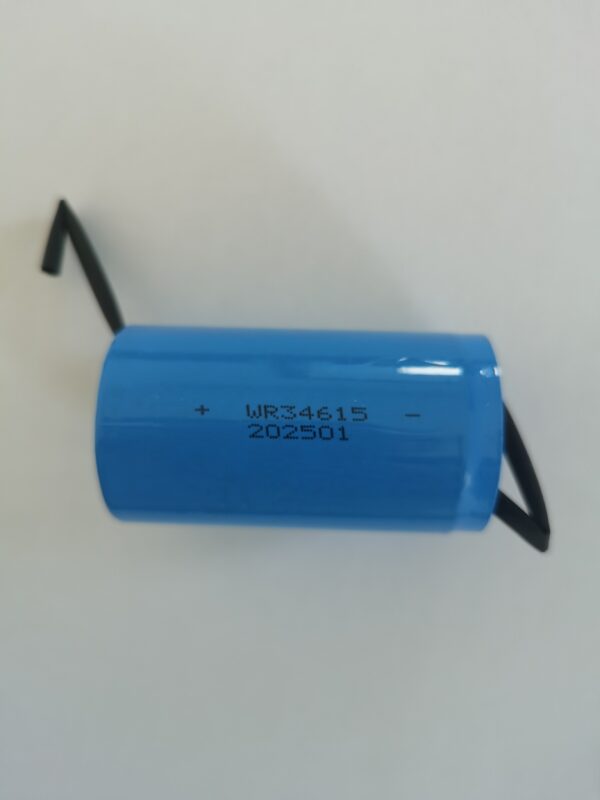
Why Li-S Batteries Lose Capacity in Hurricane Storm Surge Sensors
Hurricane storm surge sensors represent one of the most demanding applications for primary battery technology. When lithium-based power systems fail during critical weather monitoring operations, the consequences extend beyond equipment malfunction—they compromise entire early warning networks across coastal regions from Florida to the Gulf of Mexico. Understanding why Li-S (Lithium-Sulfur) and related lithium primary battery chemistries experience capacity degradation in these extreme environments is essential for engineers and procurement specialists responsible for deploying reliable monitoring infrastructure.
The Core Challenge: Environmental Stress Factors
Storm surge sensors operate in uniquely hostile conditions. During hurricane events, these devices face simultaneous exposure to saltwater immersion, rapid temperature fluctuations ranging from -20°C to +60°C, and sustained humidity levels exceeding 95%. For lithium primary batteries, particularly Li-SOCl₂ (Lithium Thionyl Chloride) configurations commonly deployed in coastal monitoring networks, these conditions trigger multiple degradation pathways.
The fundamental electrochemical reaction in Li-SOCl₂ batteries follows: 4Li + 2SOCl₂ → 4LiCl + S + SO₂. Under normal operating conditions, this reaction provides exceptional energy density reaching 590 Wh/kg with minimal self-discharge. However, hurricane environments introduce complications that accelerate capacity loss through three primary mechanisms.
Parameter Advantages and Failure Points
Temperature-Driven Degradation
Lithium primary batteries demonstrate impressive operational ranges, typically functioning between -55°C to +85°C. However, rapid thermal cycling during hurricane events creates mechanical stress on electrode interfaces. When sensors transition from pre-storm ambient temperatures to submerged conditions, the electrolyte viscosity changes dramatically, increasing internal resistance and reducing available capacity by 15-25% in severe cases.
European coastal monitoring stations in the North Sea region report similar degradation patterns, where winter storm conditions compound temperature-related capacity loss with extended low-temperature discharge periods. This geographic variation underscores the importance of region-specific battery selection criteria.
Moisture and Salt Intrusion
Despite IP68-rated enclosures, prolonged saltwater exposure creates micro-corrosion pathways at battery terminal interfaces. Chloride ions penetrate protective layers, accelerating parasitic reactions that consume active lithium material. Research from US National Oceanic and Atmospheric Administration (NOAA) sensor networks indicates that batteries deployed in Gulf Coast regions experience 30% faster capacity degradation compared to inland monitoring stations.
The polysulfide dissolution phenomenon, particularly relevant for emerging Li-S chemistry, becomes exacerbated in high-humidity environments. Intermediate polysulfide compounds migrate through separators, creating internal short circuits that permanently reduce usable capacity.
Voltage Delay Phenomenon
After extended storage in high-temperature conditions preceding hurricane season, lithium primary batteries exhibit voltage delay upon initial high-current discharge. This occurs when passivation layers form on lithium anodes, requiring breakthrough voltage before normal operation resumes. For storm surge sensors requiring immediate activation during rapid-onset flooding events, this delay can result in critical data loss during the initial monitoring window.
Testing Methodologies for Hurricane-Grade Batteries
Reliable battery selection requires comprehensive testing protocols that simulate actual deployment conditions rather than standard laboratory parameters.
Accelerated Environmental Testing
Leading manufacturers implement combined stress testing that simultaneously exposes batteries to temperature cycling (-40°C to +70°C), 98% relative humidity, and 5% salt fog concentrations. Testing durations extend to 1,000+ hours to identify failure modes that emerge only after prolonged exposure. US military specifications MIL-STD-810G provide baseline requirements, though coastal monitoring applications often demand exceedance of these standards.
Discharge Profile Simulation
Storm surge sensors operate in pulsed discharge modes, transmitting data packets every 15-30 minutes during normal operation, increasing to 2-5 minute intervals during active storm events. Battery testing must replicate these discharge profiles rather than relying on continuous drain measurements. Capacity retention after 50,000+ pulses provides more accurate field performance predictions than traditional mAh ratings.
Post-Immersion Validation
Batteries intended for flood-prone installations require validation after complete submersion testing. This evaluates seal integrity and terminal corrosion resistance under conditions matching Category 4-5 hurricane storm surge heights. EU EN 60529 standards provide framework, though North American coastal applications benefit from additional ASTM B117 salt spray testing.
CNS Product Technical Barriers and Regional Compliance
For engineering teams evaluating primary battery solutions across different geographic markets, compliance with regional standards represents a critical selection criterion. CNS Battery’s primary battery portfolio addresses these requirements through design features specifically engineered for harsh environmental monitoring applications.
European Market Adaptation
EU deployments require compliance with RoHS Directive 2011/65/EU and REACH Regulation (EC) No 1907/2006. Battery designs incorporating restricted substance elimination while maintaining performance specifications present significant technical challenges. CNS products achieve compliance through alternative electrolyte formulations that preserve voltage characteristics without compromising environmental standards.
North American Certification
US coastal monitoring networks often require UL 1642 certification alongside UN 38.3 transportation compliance. The additional testing burden for hurricane-grade applications includes extended thermal abuse testing and mechanical shock validation simulating debris impact during storm events. CNS manufacturing processes incorporate these requirements at the design phase rather than as post-production additions.
Asia-Pacific Regional Considerations
Typhoon-prone regions across Southeast Asia and Western Pacific present unique challenges combining high ambient temperatures with extreme humidity. Battery specifications optimized for European or North American conditions may underperform in these environments without specific formulation adjustments.
For technical procurement specialists evaluating long-term deployment strategies, understanding these regional compliance requirements prevents costly specification mismatches. Detailed product documentation and application engineering support ensure proper battery selection matching both environmental conditions and regulatory frameworks.
To explore primary battery solutions engineered for extreme environmental monitoring applications, visit https://cnsbattery.com/primary-battery/ for comprehensive technical specifications and regional compliance documentation.
For application-specific consultation regarding hurricane sensor deployments or coastal monitoring networks, contact our engineering team at https://cnsbattery.com/primary-battery-contact-us/ to discuss customized power solutions matching your geographic and operational requirements.
This technical analysis reflects current industry understanding of lithium primary battery performance in extreme environmental conditions. Specific application requirements should be validated through manufacturer consultation and field testing protocols.
