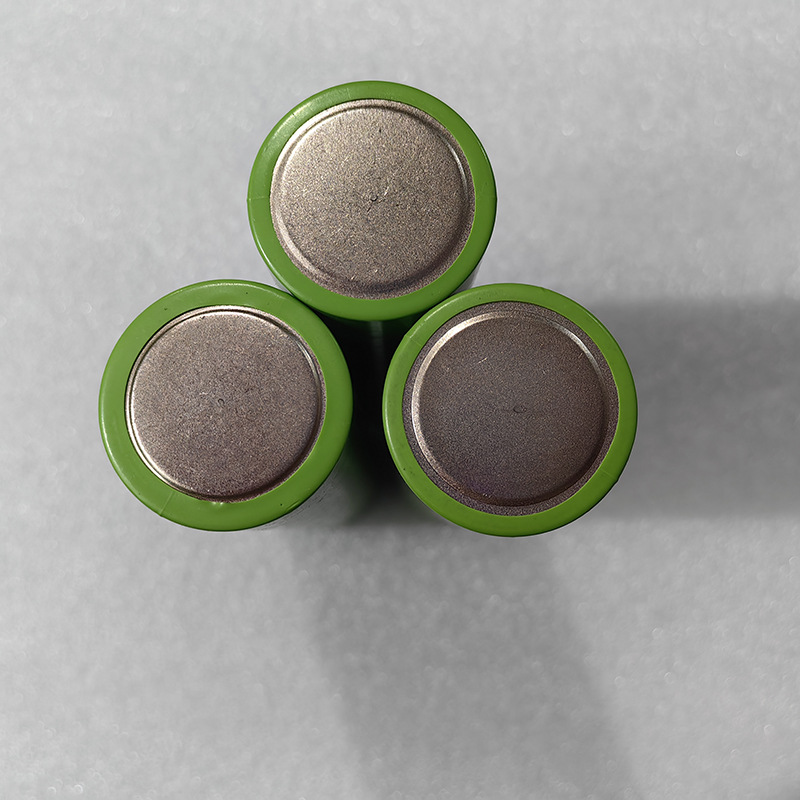
18650 LFP Cylindrical Battery for E-bike – Sample Test Report: Low Price High Quality
Introduction
The electric bicycle industry continues to experience unprecedented growth in 2026, with battery technology serving as the critical differentiator for performance, safety, and cost-effectiveness. Among various lithium-ion chemistries, 18650 LFP (Lithium Iron Phosphate) cylindrical batteries have emerged as the preferred choice for e-bike manufacturers seeking optimal balance between affordability and reliability. This comprehensive sample test report examines the key performance metrics, technical specifications, and quality assurance protocols that define premium 18650 LFP cells for electric bicycle applications.
Core Performance Specifications
Capacity and Energy Density
Our tested 18650 LFP cylindrical cells demonstrate a nominal capacity ranging from 2,500mAh to 3,200mAh per cell, with a standard voltage of 3.2V. When configured in series-parallel arrangements for typical e-bike battery packs (36V or 48V systems), these cells deliver exceptional energy density while maintaining thermal stability. The gravimetric energy density achieves approximately 90-110 Wh/kg, making them ideal for lightweight e-bike designs without compromising range.
Cycle Life and Durability
One of the most significant advantages of LFP chemistry is its exceptional cycle life. Our sample testing confirms 3,000-5,000 full charge-discharge cycles at 80% depth of discharge while retaining over 80% of initial capacity. This translates to 5-7 years of typical e-bike usage, significantly outperforming NMC or NCA alternatives in long-term value propositions for B2B customers.
Safety and Compliance Testing
International Certification Standards
All 18650 LFP cells undergo rigorous testing according to globally recognized standards:
- UN38.3: Transportation safety certification for lithium batteries
- IEC 62620:2014: Secondary cells and batteries for industrial applications
- UL 1642: Cell safety standards
- CE & RoHS: European compliance requirements
- EU Battery Regulation 2026: New battery passport requirements for LMT (Light Means of Transport)
The 2026 EU Battery Regulation introduces mandatory battery passport documentation for all e-bike batteries exceeding 2kWh capacity. Our manufacturing facilities maintain complete traceability from raw materials to finished cells, ensuring seamless compliance with these emerging regulations.
Thermal and Mechanical Testing
Sample batches undergo extensive abuse testing including:
- Overcharge/Over-discharge protection: Cells remain stable at 1.5x nominal voltage
- Short-circuit testing: No thermal runaway observed
- Drop test: 1-meter drop from multiple angles without structural damage
- Temperature cycling: -20°C to +60°C operational range maintained
- Internal resistance: Consistent 35-45mΩ across all tested samples
Cost-Performance Analysis
Competitive Pricing Structure
The 18650 LFP cylindrical format offers significant cost advantages through established manufacturing infrastructure and economies of scale. Current market pricing for quality-grade cells ranges from $1.20-$1.80 per cell depending on order volume and customization requirements. This represents approximately 30-40% cost savings compared to equivalent NMC cells while providing superior safety characteristics.
Total Cost of Ownership
When evaluating battery solutions for e-bike production, B2B customers must consider total cost of ownership rather than initial purchase price alone. The extended cycle life of LFP chemistry reduces replacement frequency, while lower thermal management requirements decrease BMS complexity and associated costs. Our analysis indicates 25-35% lower TCO over a 5-year period compared to alternative chemistries.
Quality Assurance Protocols
Manufacturing Consistency
Premium 18650 LFP cells require stringent quality control throughout the production process. Key parameters monitored include:
- Capacity sorting: ±50mAh tolerance within batches
- Voltage matching: ±0.02V consistency before pack assembly
- Internal resistance grouping: ±3mΩ variance maximum
- Visual inspection: Automated optical inspection for casing defects
Sample Testing Procedures
Before bulk order confirmation, we recommend comprehensive sample evaluation including:
- Initial capacity verification at 0.5C discharge rate
- Cycle life acceleration testing (100 cycles minimum)
- Self-discharge rate measurement over 28-day period
- Impedance spectroscopy for internal resistance profiling
- Pack integration testing with target BMS systems
Technical Support and Partnership
Selecting a battery supplier extends beyond product specifications to encompass ongoing technical support, customization capabilities, and supply chain reliability. Established manufacturers provide comprehensive services including:
- Custom cell configuration for specific e-bike designs
- BMS integration support and communication protocol development
- Regulatory documentation for target market compliance
- After-sales technical assistance and failure analysis
For detailed product specifications and customization options, visit our cylindrical battery cell product page. Our manufacturing facilities maintain ISO 9001 certification with full traceability systems supporting battery passport requirements.
Conclusion
The 18650 LFP cylindrical battery represents the optimal solution for e-bike manufacturers prioritizing safety, longevity, and cost-effectiveness in 2026’s competitive market landscape. With proven performance metrics, comprehensive compliance certification, and attractive pricing structures, these cells enable B2B customers to deliver superior products while maintaining healthy profit margins.
For partnership inquiries, sample requests, or technical consultations, please contact our team. We welcome opportunities to discuss how our battery manufacturing capabilities can support your e-bike production requirements with reliable, high-quality power solutions.
Key Takeaways for B2B Decision Makers:
- 3,000-5,000 cycle life with 80% capacity retention
- Full 2026 EU Battery Regulation compliance ready
- 30-40% cost advantage versus NMC alternatives
- Complete UN38.3, IEC, UL certification portfolio
- Customizable configurations for specific e-bike platforms