

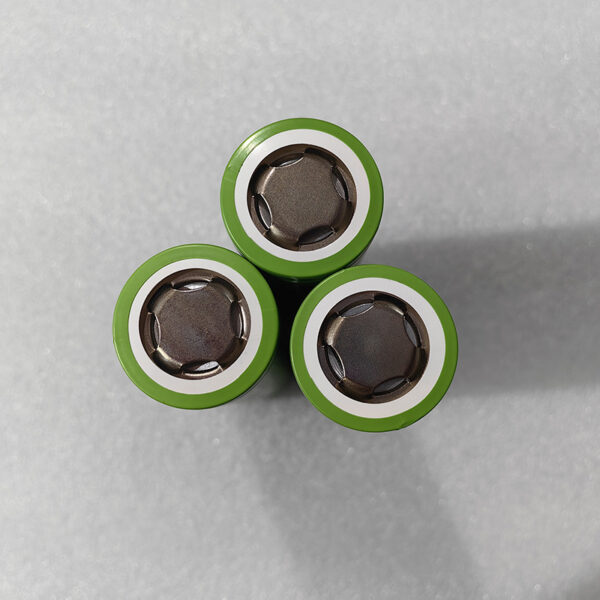
32700 Battery Cell 3C Continuous Discharge: Technical Specifications and Industrial Applications
The 32700 lithium-ion battery cell with 3C continuous discharge capability represents a critical power solution for high-drain industrial applications. As energy storage demands evolve across electric mobility, renewable energy systems, and heavy-duty equipment, understanding the technical parameters and performance characteristics of cylindrical cells becomes essential for engineering teams and procurement specialists. This article provides a comprehensive analysis of the 32700 battery cell architecture, discharge capabilities, and integration considerations for B2B applications.
Understanding the 32700 Cell Format
The 32700 designation refers to the physical dimensions of this cylindrical lithium-ion cell: 32mm in diameter and 70mm in length. This format offers a substantial capacity advantage over smaller cylindrical cells like the 18650 or 21700, typically delivering between 5,000mAh to 6,500mAh depending on the specific chemistry employed. The larger form factor enables enhanced thermal management and reduced internal resistance, making it particularly suitable for applications requiring sustained high-current discharge.
From an electrochemical perspective, the 3C continuous discharge rating indicates the cell can safely deliver current at three times its capacity rating. For a 6,000mAh cell, this translates to 18A of continuous discharge current without compromising cell integrity or cycle life. This capability stems from optimized electrode design, advanced separator technology, and robust current collector structures that minimize heat generation during operation.
Key Technical Advantages
Thermal Performance: The 32700 format’s larger surface-area-to-volume ratio facilitates superior heat dissipation compared to smaller cells. During 3C discharge operations, effective thermal management becomes critical to prevent thermal runaway and maintain optimal performance. The cylindrical geometry allows for uniform heat distribution, reducing hot spot formation that could degrade cell longevity.
Cycle Life Optimization: High-quality 32700 cells typically achieve 2,000 to 3,000 full charge-discharge cycles when operated within specified parameters. The 3C continuous discharge capability does not significantly compromise cycle life when proper thermal management systems are implemented. This makes the format economically viable for applications requiring long-term reliability.
Energy Density Balance: While not matching the volumetric energy density of pouch cells, the 32700 format offers an excellent balance between energy density, power density, and mechanical robustness. The steel casing provides inherent protection against physical damage, reducing the need for additional packaging in many applications.
Industrial Application Scenarios
The 3C continuous discharge capability positions the 32700 cell for several demanding applications:
Electric Two-Wheelers and Light EVs: High-drain motor systems benefit from the sustained power delivery without voltage sag. The format’s mechanical stability withstands vibration and shock common in mobility applications.
Energy Storage Systems: Residential and commercial ESS installations leverage the 32700 format for its balance of capacity, discharge capability, and longevity. The cylindrical format simplifies module assembly and thermal management design.
Power Tools and Industrial Equipment: Applications requiring burst power and sustained operation benefit from the 3C discharge rating, ensuring consistent performance throughout the discharge cycle.
Solar and Renewable Integration: Off-grid systems and backup power solutions utilize these cells for their reliability and discharge characteristics matching inverter requirements.
Integration Considerations for Engineering Teams
When specifying 32700 cells for system design, several factors require careful evaluation. Battery management system (BMS) selection must account for the specific discharge profile and thermal characteristics. Proper cell balancing ensures uniform performance across series-connected configurations, preventing premature degradation of individual cells.
Thermal management design should consider both continuous operation and peak discharge scenarios. Active cooling may be necessary for applications sustaining 3C discharge for extended periods. Additionally, mechanical integration must accommodate the cylindrical format’s dimensional requirements while ensuring adequate ventilation.
For procurement specialists, verifying manufacturer credentials and quality certifications becomes paramount. Established manufacturers provide comprehensive technical documentation, including detailed specification sheets, safety certifications, and performance testing data. This transparency enables accurate system modeling and risk assessment.
Quality and Manufacturing Standards
The performance consistency of 32700 cells directly correlates with manufacturing quality control. Premium manufacturers implement rigorous testing protocols including capacity verification, internal resistance measurement, and cycle life validation. Understanding the manufacturer’s production capabilities and quality assurance processes helps mitigate supply chain risks.
For organizations evaluating battery suppliers, comprehensive manufacturer assessments should include production capacity, technical support capabilities, and after-sales service infrastructure. Detailed information about battery manufacturers in China can provide valuable insights for global procurement decisions. Visit https://cnsbattery.com/battery-manufacturers-in-china/ for comprehensive supplier evaluation resources.
Conclusion
The 32700 battery cell with 3C continuous discharge capability represents a mature, reliable power solution for demanding industrial applications. Its balanced performance characteristics, proven safety profile, and economic viability make it an optimal choice for engineering teams designing high-drain systems. Proper integration, thermal management, and supplier selection ensure optimal performance throughout the system lifecycle.
For detailed product specifications and technical consultation, explore the cylindrical battery cell portfolio at https://cnsbattery.com/products-3/cylindrical-battery-cell/. Engineering teams requiring customized solutions or volume procurement should initiate direct communication through https://cnsbattery.com/contact-2/ to discuss specific application requirements and obtain comprehensive technical support.


