

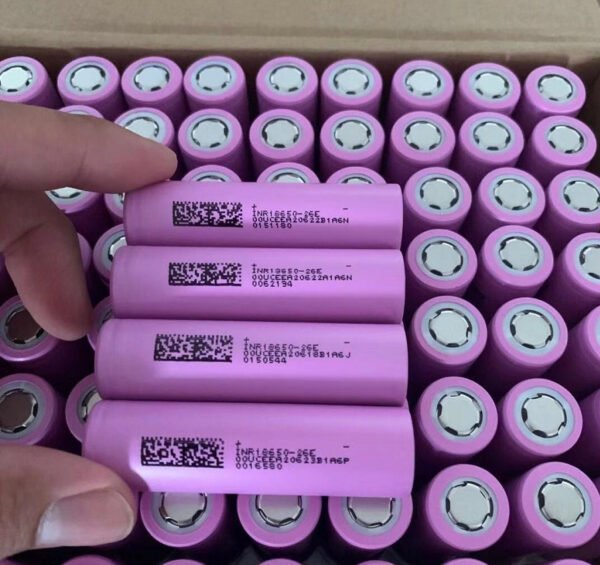
Factory Direct 18650 LFP Cells China Export: No Long Cycle Life for EV Projects Top 5 Problems & Solutions
Date: March 20, 2026
Category: Battery Technology & Procurement
Target Audience: EV Manufacturers, Procurement Managers, System Integrators
The global shift toward sustainable mobility has intensified the demand for Lithium Iron Phosphate (LFP) chemistry, particularly in the 18650 cylindrical form factor. Known for safety and cost-efficiency, these cells are pivotal for light electric vehicles (LEVs), e-buses, and energy storage buffers. However, a persistent narrative plagues the market: “Factory Direct 18650 LFP Cells China Export: No Long Cycle Life for EV Projects.”
Is this a technical limitation or a procurement failure? In 2026, with stricter regulations like the EU Battery Passport becoming mandatory, the issue is rarely the chemistry itself but rather quality consistency and integration. For overseas B2B buyers, understanding the root causes of premature degradation is essential. Below, we dissect the top five problems hindering cycle life in export projects and provide actionable solutions.
Problem 1: Inconsistent Cell Grading and Quality Control
The Issue:
Not all “Grade A” cells are equal. Many exporters mix Grade A with downgraded Grade B cells, which have higher internal resistance and lower capacity retention. In an EV pack, the weakest cell dictates the overall lifespan. When high-volume factory direct orders skip rigorous capacity and impedance sorting, the pack suffers from imbalance, leading to rapid cycle life decay.
The Solution:
Demand detailed test reports (IEC 62660 standards) before shipment. Verify that cells are sorted by capacity, voltage, and AC internal resistance within tight tolerances (e.g., ±1% capacity). Partnering with verified battery manufacturers in China who adhere to automotive-grade QC protocols ensures that the 18650 LFP cells delivered match the datasheet specifications for 2000+ cycles.
Problem 2: Mismatched Battery Management Systems (BMS)
The Issue:
A common failure point in cross-border projects is the incompatibility between Chinese cells and the buyer’s local BMS. LFP chemistry has a very flat voltage curve (3.2V nominal). If the BMS calibration does not accurately reflect the specific discharge characteristics of the exported 18650 cells, it may overcharge or over-discharge the pack. This stress accelerates capacity loss, creating the illusion of “no long cycle life.”
The Solution:
Integration testing is non-negotiable. Before mass production, request sample cells to calibrate your BMS algorithms specifically for the batch’s voltage profile. Ensure the BMS supports passive or active balancing suitable for cylindrical configurations. For reliable components, review the specifications at our cylindrical battery cell catalog to match electrical parameters with your management system.
Problem 3: Non-Compliance with 2026 Global Regulations
The Issue:
As of 2026, regulatory landscapes have shifted dramatically. The EU Battery Regulation now requires digital Battery Passports for industrial and EV batteries over 2kWh. Cells lacking carbon footprint data, recycled content declarations, or proper CE marking may be detained at customs or rejected by end-users. Non-compliant cells often originate from workshops ignoring environmental standards, which correlates with poor manufacturing hygiene and shorter lifespans.
The Solution:
Procurement must prioritize compliance. Ensure your supplier provides full documentation regarding chemical composition, carbon footprint, and safety certifications (UN38.3, IEC 62133). Compliance is not just legal; it is a proxy for manufacturing quality. If you encounter documentation gaps, reach out via our contact page to verify supplier credentials and regulatory alignment.
Problem 4: Improper Thermal Management in Pack Design
The Issue:
While LFP is thermally stable, 18650 cells packed densely in EV modules can suffer from heat accumulation. Inadequate thermal design leads to localized hotspots. Elevated temperatures accelerate electrolyte decomposition and SEI layer growth, permanently reducing cycle life. Many export failures stem from the buyer’s pack design rather than the cell itself.
The Solution:
Adopt robust thermal management strategies, such as phase change materials or liquid cooling plates, especially for high-discharge EV applications. Ensure there is adequate spacing between cylindrical cells for air or fluid flow. Simulate thermal performance under maximum load conditions before finalizing the pack assembly.
Problem 5: Logistics and Storage Degradation
The Issue:
Long shipping times and improper storage conditions can degrade cells before they even reach the assembly line. Lithium batteries shipped at high states of charge (SOC) or exposed to extreme temperatures during transit (e.g., inside shipping containers in summer) suffer from calendar aging. Receiving cells at 100% SOC after a 45-day sea voyage can result in significant capacity loss before the first cycle.
The Solution:
Specify shipping SOC between 30% and 50% to minimize stress during transit. Require temperature-controlled logistics where feasible. Upon arrival, perform incoming quality control (IQC) to check voltage drop. If cells have self-discharged beyond acceptable limits, reject the batch.
Conclusion
The claim that factory direct 18650 LFP cells lack long cycle life is a misconception born from poor procurement practices and integration errors, not chemical limitations. By addressing grading consistency, BMS compatibility, regulatory compliance, thermal design, and logistics, overseas buyers can unlock the full potential of Chinese LFP technology.
For EV projects demanding reliability and longevity, due diligence is your best safeguard. Ensure your supply chain is transparent and technically supported. For further assistance on sourcing compliant, high-cycle 18650 LFP solutions, explore our verified manufacturer network and product offerings.
Contact Us for Technical Support & Procurement:
Contact Page
Product Catalog
Manufacturer Verification


