Float Life Battery For Data Center UPS | CNS BATTERY
In the modern digital infrastructure landscape, data center uptime is not merely a performance metric; it is a critical business imperative. At the heart of ensuring continuous operation lies the Uninterruptible Power Supply (UPS) system, and within the UPS, the battery is the most vital component. For facility managers, procurement officers, and system integrators, understanding float life battery technology is essential for optimizing Total Cost of Ownership (TCO) and ensuring reliability. This article explores the technical nuances of float life batteries for data center UPS applications and highlights how partnering with a capable manufacturer like CNS BATTERY can secure your power infrastructure.
Understanding Float Life in UPS Applications
“Float life” refers to the expected service life of a battery when kept under continuous float charge conditions, typically at a controlled temperature of 20°C or 25°C. In data center UPS scenarios, batteries spend 99% of their time in this float state, ready to discharge only during a grid failure.
Traditionally, Valve Regulated Lead Acid (VRLA) batteries have been the industry standard. However, VRLA batteries suffer from chemical degradation over time, particularly when exposed to heat. A typical VRLA battery offers a design float life of 5 to 10 years, but in real-world conditions where ambient temperatures fluctuate, actual service life often drops to 3-4 years. This necessitates frequent replacements, increasing operational downtime and maintenance costs.
The industry is now shifting towards Lithium-ion chemistry, specifically Lithium Iron Phosphate (LFP), for UPS applications. LFP batteries offer a significantly longer calendar life, often exceeding 10 to 15 years in float conditions. They are more thermally stable and maintain higher capacity over time compared to lead-acid counterparts. For high-density data centers, this transition is not just an upgrade; it is a strategic necessity.
Technical Considerations for Battery Selection
When evaluating float life batteries for UPS systems, B2B buyers must focus on three core technical parameters:
- Thermal Stability: Data centers generate significant heat. Batteries must operate safely in environments up to 40°C without accelerated degradation. LFP chemistry is preferred here due to its robust thermal runaway threshold.
- Cycle Life vs. Calendar Life: While cycle life matters for frequent discharge scenarios, data center UPS batteries rely more on calendar (float) life. A high-quality cell should guarantee 80% State of Health (SOH) after 10 years of float charging.
- Battery Management System (BMS) Integration: Modern UPS units require smart communication. The battery must communicate status, voltage, and temperature data to the UPS controller seamlessly to prevent overcharging or deep discharge.
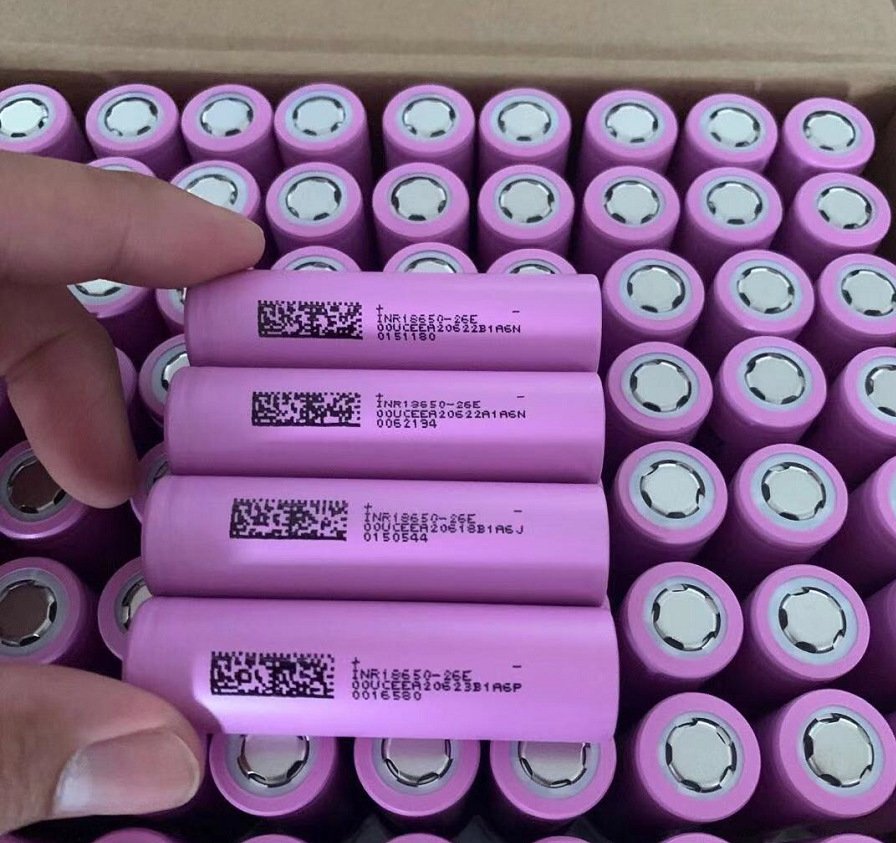
CNS BATTERY addresses these needs through advanced cell engineering. Their focus on high-quality cylindrical battery cell technology ensures consistent performance across battery packs. Cylindrical cells, known for their mechanical strength and mature manufacturing processes, provide excellent thermal dissipation, which is crucial for maintaining long float life in confined UPS cabinets.
Compliance and Procurement Points
For overseas buyers, compliance is non-negotiable. Importing batteries for critical infrastructure requires adherence to strict safety and transportation standards.
- Safety Certifications: Ensure batteries comply with UL 1973 (Stationary Applications) and IEC 62619 (Secondary Lithium Cells). These certifications validate that the battery has passed rigorous abuse tests, including overcharge, short circuit, and thermal stability checks.
- Transportation: UN 38.3 certification is mandatory for shipping lithium batteries globally.
- Compatibility: Verify voltage ranges and communication protocols (e.g., SNMP, Modbus) match your existing UPS hardware. Retrofitting should not require a complete UPS replacement.
Procuring from a verified source mitigates risk. Many data center operators seek direct partnerships with established battery manufacturers in China to ensure supply chain transparency and cost efficiency. Working directly with the manufacturer allows for customized pack configurations and direct technical support, which is vital during the commissioning phase.
Case Application: Enhancing Reliability
Consider a mid-sized colocation facility aiming to reduce maintenance intervals. By switching from 5-year VRLA to 10-year+ Lithium float life batteries, the facility reduced annual maintenance visits by 60%. The higher energy density of lithium also freed up 50% of floor space previously dedicated to battery rooms, allowing for additional server racks. This shift was made possible by selecting cells with proven float durability and a BMS designed for stationary storage rather than mobility.
Conclusion
The choice of battery technology defines the resilience of your data center. Prioritizing float life ensures that your UPS system remains reliable over the long term, reducing the risk of failure during critical power events. As the industry moves towards lithium-based solutions, partnering with a knowledgeable supplier is key.
For detailed specifications on cell chemistry, compliance documentation, or to discuss custom UPS battery solutions, reach out to our technical team. We are committed to providing power solutions that meet the rigorous demands of global data centers.
Visit our contact page to initiate a conversation with our engineering staff. Whether you are upgrading an existing facility or designing a new hyperscale center, CNS BATTERY delivers the performance and reliability your infrastructure demands.