

46135 NCM Wholesale Supplier from China: Guaranteed Sustainability & Carbon Footprint for UAV OEMs
The unmanned aerial vehicle (UAV) industry is experiencing unprecedented growth, with commercial drone applications expanding across agriculture, logistics, surveillance, and infrastructure inspection. At the heart of every high-performance UAV lies a critical component: the lithium-ion battery. Among emerging form factors, the 46135 cylindrical NCM cell has gained significant traction for its optimal balance of energy density, thermal management, and manufacturing scalability. For UAV OEMs seeking reliable wholesale suppliers from China, understanding the technical specifications, sustainability commitments, and carbon footprint transparency is essential for making informed procurement decisions.
Technical Advantages of 46135 NCM Cylindrical Cells
The 46135 designation refers to a cylindrical battery cell with 46mm diameter and 135mm height. This form factor represents a strategic evolution from traditional 18650 and 21700 cells, offering several engineering advantages for UAV applications:
Energy Density Optimization: NCM (Nickel-Cobalt-Manganese) chemistry in the 46135 format typically delivers 250-280 Wh/kg at the cell level. The larger format reduces the ratio of inactive materials (casing, tabs, electrolyte) to active materials, improving volumetric efficiency by approximately 15-20% compared to smaller cylindrical formats.
Thermal Management: The 46mm diameter provides an optimal surface-area-to-volume ratio for heat dissipation during high-discharge operations. UAV flight profiles often require sustained 3C-5C discharge rates, and the 46135 design minimizes thermal runaway risks through enhanced heat distribution across the cell surface.
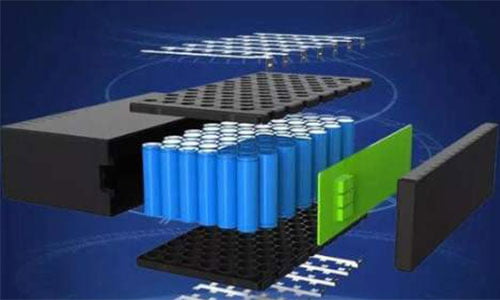
Structural Integration: The standardized cylindrical format enables modular pack designs with simplified mechanical integration. For UAV manufacturers, this translates to reduced engineering time and more predictable performance across varying environmental conditions.
Sustainability and Carbon Footprint Transparency
Global regulatory frameworks, including the EU Battery Regulation and California’s SB 250, now mandate comprehensive carbon footprint disclosure for battery suppliers. Leading Chinese manufacturers have responded with significant investments in sustainability infrastructure:
Scope 1 & 2 Emissions Tracking: Reputable suppliers implement real-time monitoring of direct emissions (manufacturing processes) and indirect emissions (purchased electricity). Facilities powered by renewable energy sources can reduce production carbon intensity by 40-60% compared to coal-dependent operations.
Supply Chain Traceability: NCM cathode materials require responsible sourcing of nickel, cobalt, and manganese. Certified suppliers maintain full chain-of-custody documentation, ensuring compliance with conflict mineral regulations and environmental standards.
End-of-Life Considerations: Sustainable battery procurement extends beyond initial purchase. Suppliers offering take-back programs and recycling partnerships enable UAV OEMs to meet circular economy requirements while recovering valuable materials for future production cycles.
Quality Assurance for UAV OEMs
When evaluating wholesale suppliers, technical procurement teams should verify the following certifications and capabilities:
- UN 38.3 Transportation Testing: Mandatory for all lithium battery shipments
- IEC 62619 Industrial Battery Safety: Critical for commercial UAV applications
- ISO 14001 Environmental Management: Demonstrates sustainability commitment
- Capacity Consistency: Cell-to-cell capacity variation should remain below 3% for pack balancing efficiency
- Cycle Life Validation: Minimum 1000 cycles at 80% depth of discharge for commercial UAV operations
Partnering with the Right Manufacturer
Selecting a 46135 NCM wholesale supplier requires balancing technical specifications, sustainability credentials, and commercial terms. Chinese battery manufacturers have matured significantly, with several facilities achieving gigawatt-hour scale production while maintaining rigorous quality control systems.
For UAV OEMs evaluating potential partners, we recommend conducting factory audits, requesting sample cells for validation testing, and reviewing third-party sustainability reports. The right supplier relationship extends beyond transactional procurement to become a strategic partnership supporting your product development roadmap.
Explore our comprehensive cylindrical battery cell portfolio designed for UAV applications. Learn more about certified battery manufacturers in China and their sustainability commitments. For technical consultations and wholesale inquiries, please contact our team directly.
The transition to sustainable aviation power systems demands transparent, technically proficient battery partners. By prioritizing suppliers with verified carbon footprint data and robust quality systems, UAV OEMs can accelerate their path to market while meeting evolving regulatory requirements and customer expectations for environmental responsibility.


