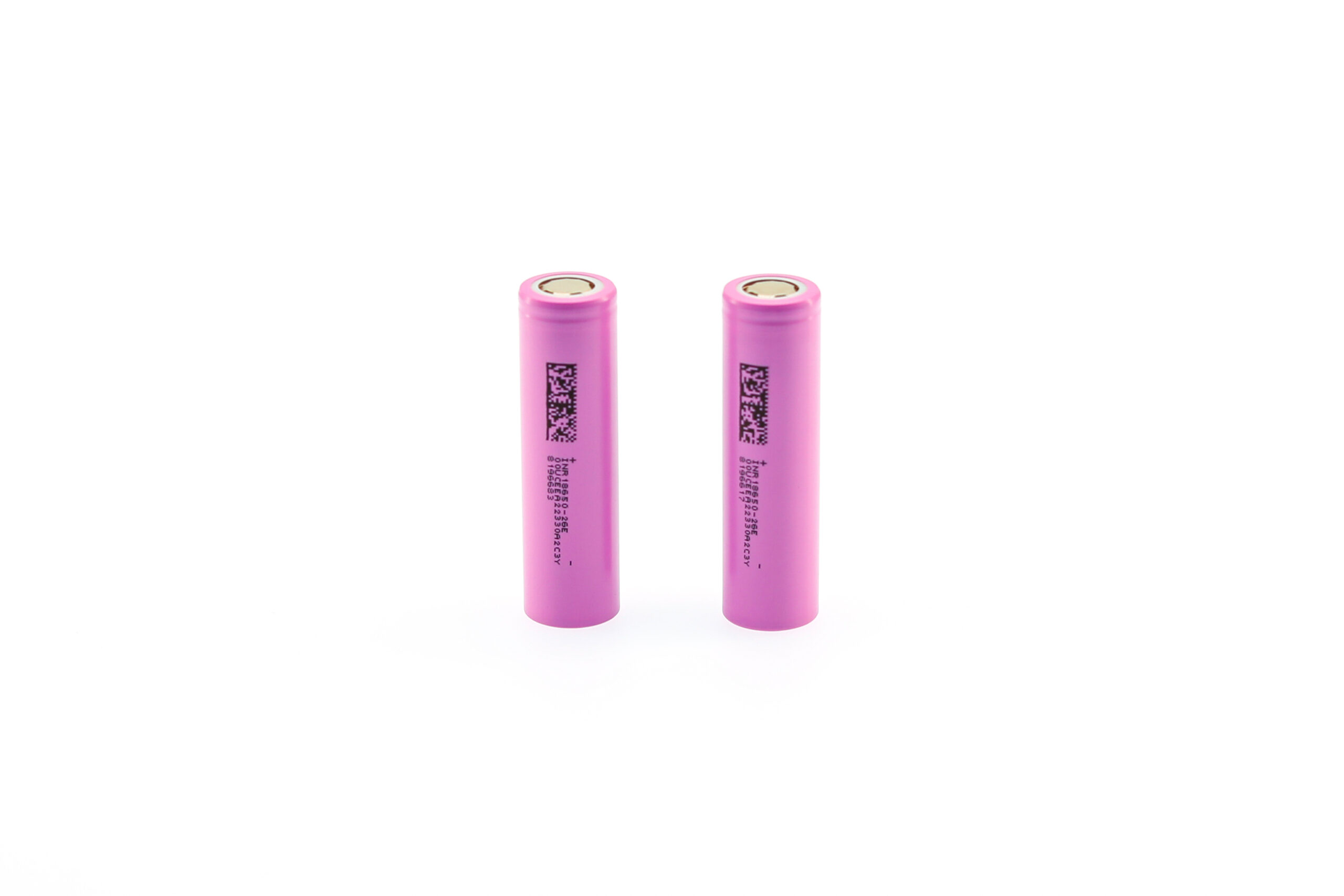
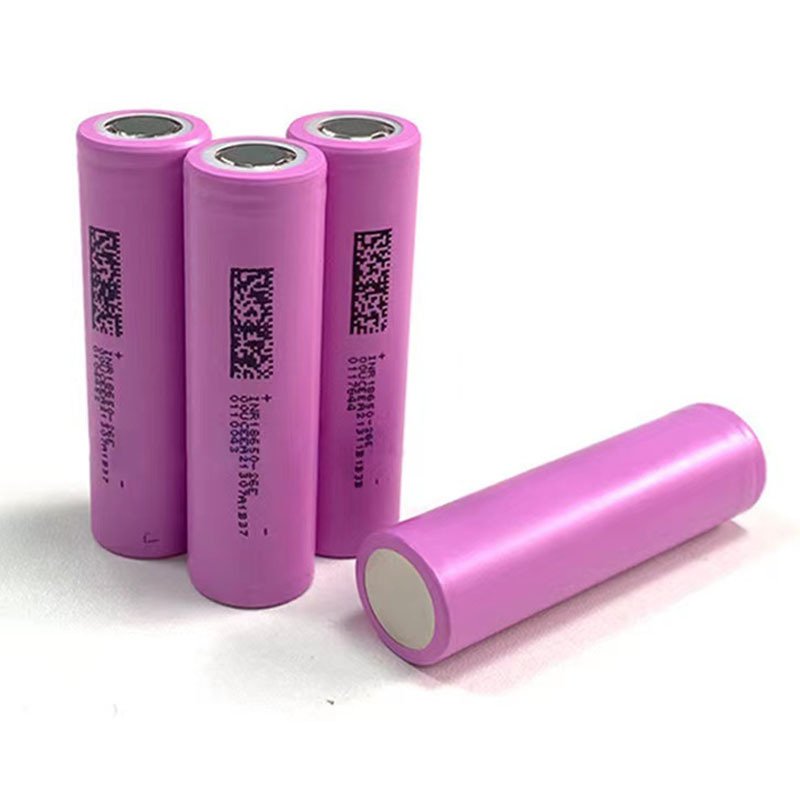
40135 Cylindrical Battery Cell | LFP High Capacity CNS BATTERY
The evolution of energy storage technology continues to accelerate, with cylindrical battery cells emerging as a cornerstone solution for industrial and commercial applications. Among these innovations, the 40135 Cylindrical Battery Cell with LFP (Lithium Iron Phosphate) chemistry represents a significant advancement in high-capacity energy storage. This article provides a comprehensive technical analysis for engineers, procurement specialists, and industry decision-makers evaluating battery solutions for demanding applications.
Technical Architecture of the 40135 Cylindrical Cell
The 40135 designation refers to the physical dimensions of the cylindrical cell: 40mm in diameter and 135mm in height. This form factor offers an optimal balance between energy density, thermal management, and mechanical stability. The LFP chemistry employed in this cell delivers several critical advantages over alternative lithium-ion chemistries.
Cathode Composition: Lithium Iron Phosphate (LiFePO₄) provides exceptional thermal stability with a decomposition temperature exceeding 270°C, significantly reducing thermal runaway risks compared to NMC or NCA chemistries.
Cycle Life Performance: LFP cells typically achieve 3,000 to 5,000 full charge-discharge cycles at 80% depth of discharge, making them ideal for applications requiring long-term reliability and minimal maintenance.
Safety Characteristics: The olivine crystal structure of LFP material offers superior structural stability during lithium ion intercalation, minimizing the risk of internal short circuits and gas generation.
Key Performance Parameters
Understanding the technical specifications is essential for proper system integration:
| Parameter | Typical Value |
|---|---|
| Nominal Capacity | 12,000-15,000 mAh |
| Nominal Voltage | 3.2V |
| Maximum Continuous Discharge | 3C-5C |
| Operating Temperature | -20°C to 60°C |
| Energy Density | 140-160 Wh/kg |
The moderate energy density of LFP chemistry is compensated by superior safety margins and extended calendar life, particularly valuable in stationary energy storage and electric vehicle applications where weight constraints are less critical than reliability.
Thermal Management Considerations
Cylindrical cells benefit from uniform heat distribution across their surface area. The 40135 form factor provides approximately 170 cm² of surface area for heat dissipation, enabling efficient passive or active cooling strategies. Engineers should consider:
- Cell spacing: Minimum 2-3mm gaps between cells for airflow
- Thermal interface materials: Conductive pads or phase-change materials for module assembly
- Monitoring systems: Integrated temperature sensors for BMS integration
Application Scenarios
The 40135 LFP cylindrical cell suits multiple industrial applications:
- Energy Storage Systems (ESS): Grid stabilization and renewable energy integration
- Electric Mobility: Light electric vehicles, e-buses, and commercial fleet electrification
- Backup Power: UPS systems and telecommunications infrastructure
- Industrial Equipment: Forklifts, AGVs, and material handling systems
Quality Assurance and Manufacturing Standards
When sourcing cylindrical battery cells from China, verification of manufacturing credentials is paramount. Reputable manufacturers maintain ISO 9001, IATF 16949, and UN 38.3 certifications. Production facilities should demonstrate automated winding, coating, and assembly processes with real-time quality monitoring.
For comprehensive information about qualified battery manufacturers in China, visit https://cnsbattery.com/battery-manufacturers-in-china/ to evaluate production capabilities and compliance standards.
Integration Best Practices
Successful deployment requires attention to several technical factors:
Battery Management System (BMS): Implement cell-level voltage monitoring with balancing capabilities to maintain pack uniformity. LFP’s flat voltage curve (3.2V-3.3V during 80% SOC) demands precise measurement accuracy.
Mechanical Design: Cylindrical cells require end-plate compression to maintain electrode contact during cycling. Recommended compression force ranges from 50-100 kgf per cell.
Charging Protocols: CC-CV charging with maximum voltage limited to 3.65V per cell. Avoid charging below 0°C without pre-heating to prevent lithium plating.
Supply Chain Considerations
Global procurement teams should evaluate manufacturers based on production capacity, lead times, and after-sales support. CNS BATTERY maintains comprehensive documentation including test reports, MSDS, and transportation certifications for international shipping compliance.
Explore the complete range of cylindrical battery cell options at https://cnsbattery.com/products-3/cylindrical-battery-cell/ for detailed specifications and customization possibilities.
Conclusion
The 40135 Cylindrical Battery Cell with LFP chemistry represents a mature, reliable solution for applications prioritizing safety, longevity, and total cost of ownership over maximum energy density. Technical teams evaluating this form factor should consider the complete system integration requirements, including thermal management, BMS architecture, and mechanical design constraints.
For technical consultations, specification sheets, or partnership inquiries, contact our engineering team directly at https://cnsbattery.com/contact-2/. Our specialists provide application-specific guidance to ensure optimal battery system performance and compliance with regional regulatory requirements.
The transition to sustainable energy storage demands informed decision-making based on accurate technical data and reliable supply partnerships. The 40135 LFP cylindrical cell platform delivers the performance consistency required for next-generation energy applications.