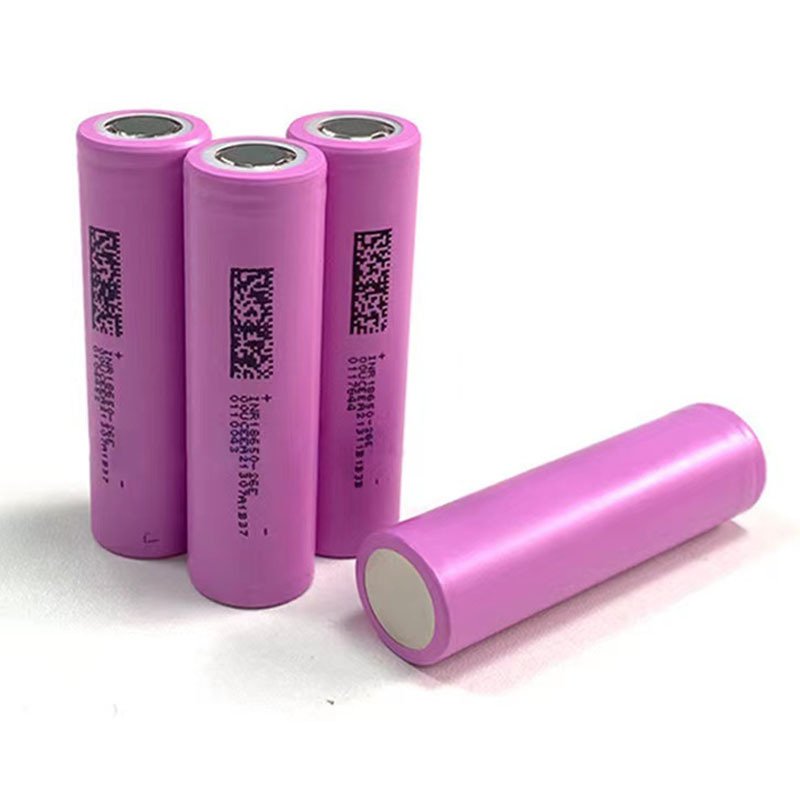
Complete Long Cycle Life Solution for UAV Using High-Quality 33140 NCM Cells Ideal for Manufacturers
The unmanned aerial vehicle (UAV) industry demands battery solutions that deliver exceptional cycle life, consistent power output, and reliable safety performance. As drone applications expand from commercial delivery to industrial inspection and agricultural monitoring, manufacturers require energy storage systems capable of withstanding hundreds of charge-discharge cycles while maintaining optimal performance. High-quality 33140 NCM (Nickel-Cobalt-Manganese) cylindrical cells represent a strategic choice for UAV manufacturers seeking long-term operational efficiency and reduced total cost of ownership.
Understanding 33140 NCM Cell Architecture
The 33140 cylindrical cell designation indicates specific dimensional parameters: 33mm diameter and 140mm height. This form factor offers an excellent balance between energy density and thermal management capabilities. NCM chemistry combines nickel, cobalt, and manganese in the cathode structure, delivering superior specific energy compared to traditional LFP alternatives while maintaining acceptable safety characteristics.
For UAV applications, the 33140 format provides several technical advantages. The cylindrical geometry enables efficient heat dissipation during high-discharge operations typical in flight scenarios. The robust steel casing protects internal components from vibration and mechanical stress encountered during takeoff, flight maneuvers, and landing sequences.
Cycle Life Performance Characteristics
Long cycle life remains the primary consideration for commercial UAV operators. Quality 33140 NCM cells can achieve 800-1500 complete charge-discharge cycles while retaining 80% of initial capacity. This performance metric directly translates to extended service intervals and reduced battery replacement costs over the drone’s operational lifetime.
Several factors influence actual cycle life achievement:
Charge-Discharge Rate Management: Operating within recommended C-rate limits prevents excessive heat generation and electrode degradation. UAV manufacturers should implement battery management systems (BMS) that regulate current flow according to flight phase requirements.
Temperature Control: NCM chemistry performs optimally between 15°C and 35°C ambient conditions. Integrated thermal management systems maintain cell temperature within safe operating windows during extended missions or challenging environmental conditions.
Depth of Discharge Optimization: Limiting discharge depth to 80% significantly extends cycle count compared to full 100% discharge cycles. Smart BMS algorithms can reserve capacity buffers while ensuring sufficient flight time.
Manufacturing Integration Considerations
UAV manufacturers evaluating 33140 NCM cells must consider integration requirements early in the design phase. Cell consistency across production batches ensures predictable pack performance and simplifies BMS calibration procedures. Working with established battery manufacturers in China provides access to mature supply chains and quality control systems.
Professional manufacturers implement rigorous testing protocols including capacity verification, internal resistance measurement, and self-discharge rate assessment before shipment. These quality assurance measures reduce field failure rates and protect brand reputation.
For detailed product specifications and technical documentation, visit our cylindrical battery cell catalog. Our engineering team supports custom pack configuration based on specific UAV platform requirements.
Safety and Certification Compliance
Commercial UAV operations increasingly require compliance with international safety standards. Quality 33140 NCM cells should meet UN38.3 transportation requirements, IEC62133 safety specifications, and applicable aviation authority guidelines.
Built-in safety features include pressure relief vents, shutdown separators, and positive temperature coefficient (PTC) devices. These mechanisms prevent thermal runaway propagation and protect against overcharge, over-discharge, and short-circuit conditions.
Manufacturers should request comprehensive test reports and certification documentation from battery suppliers. This due diligence ensures regulatory compliance and reduces liability exposure during commercial operations.
Total Cost of Ownership Analysis
While premium 33140 NCM cells command higher initial costs compared to consumer-grade alternatives, the long-term economics favor quality investments. Extended cycle life reduces replacement frequency, while consistent performance minimizes operational downtime and maintenance requirements.
Calculate total cost of ownership by considering:
- Initial battery pack cost
- Expected cycle count before replacement
- Maintenance and inspection expenses
- Downtime costs during battery service intervals
- Disposal and recycling expenses
Partnering with reliable battery manufacturers in China ensures access to competitive pricing without compromising quality standards.
Technical Support and Supply Chain Reliability
UAV manufacturers require dependable supply chain partners capable of supporting production scaling and after-sales service. Established suppliers maintain inventory buffers, provide technical documentation, and offer engineering support throughout the product lifecycle.
For partnership inquiries and technical consultations, please contact us to discuss your specific UAV battery requirements. Our engineering team provides customization services including cell matching, pack assembly, and BMS integration support.
Conclusion
High-quality 33140 NCM cells deliver the cycle life performance, energy density, and safety characteristics required for commercial UAV applications. Manufacturers who prioritize battery quality from the design phase achieve superior field performance, reduced warranty claims, and enhanced customer satisfaction. By partnering with experienced battery suppliers and implementing proper thermal management and BMS strategies, UAV manufacturers can maximize the operational value of their energy storage systems while maintaining competitive cost structures.