
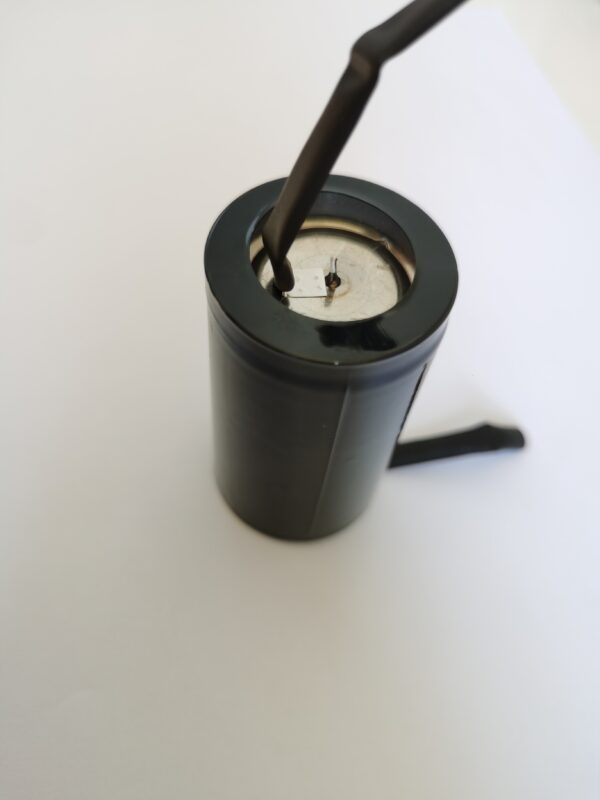
Li-SO₂ Battery for Search and Rescue Drone Remote Controls
In the high-stakes environment of Search and Rescue (SAR) operations, reliability is not merely a feature—it is a mandate. While much attention is focused on the drone’s flight performance, the Ground Control Station (GCS) or remote control unit serves as the critical link between the operator and the aircraft. A power failure in the remote control can result in loss of command, data link interruption, and ultimately, mission failure. For industrial and military-grade SAR applications, Lithium Sulfur Dioxide (Li-SO₂) primary batteries have emerged as a superior power solution compared to standard rechargeable alternatives, particularly for backup systems and long-deployment scenarios.
Why Li-SO₂ Technology for SAR Remote Controls?
Li-SO₂ batteries utilize a liquid cathode technology that offers distinct advantages over traditional Lithium Manganese Dioxide (Li-MnO₂) or Lithium-Ion (Li-ion) cells in specific operational contexts.
1. Extreme Temperature Performance
SAR missions often occur in unpredictable environments, ranging from freezing mountain peaks to arid deserts. Li-SO₂ batteries are renowned for their ability to operate efficiently across a wide temperature range, typically from -55°C to +70°C. In contrast, standard Li-ion batteries suffer from significant capacity loss and voltage depression below -20°C. For a remote control that must function instantly after being stored in a cold vehicle or exposed to harsh elements, Li-SO₂ ensures consistent voltage delivery without the need for thermal management systems.
2. Long Shelf Life and Low Self-Discharge
SAR equipment is often kept in standby for extended periods, sometimes months or years, before deployment. Li-SO₂ batteries exhibit an extremely low self-discharge rate, allowing them to retain over 90% of their capacity after 10 years of storage. This eliminates the risk of discovering a depleted battery during an emergency. Unlike rechargeable packs that require periodic maintenance cycling to prevent degradation, Li-SO₂ cells are “install and forget,” ensuring the remote control is always mission-ready.
3. High Pulse Capability
Modern drone remote controls integrate high-brightness displays, telemetry radios, and GPS modules that can draw significant current pulses during transmission spikes. Li-SO₂ chemistry supports high pulse current discharge, maintaining voltage stability even under sudden load demands. This prevents the brownouts that can cause a controller to reboot mid-operation.
Compliance and Safety Standards for B2B Procurement
For overseas buyers and procurement officers, regulatory compliance is as critical as technical performance. Lithium batteries are classified as Class 9 Dangerous Goods for transportation. Ensuring your supply chain adheres to international standards is vital to avoid customs delays or shipping rejections.
UN38.3 Certification
The United Nations Manual of Tests and Criteria, Section 38.3 (UN38.3), is the global benchmark for lithium battery transport safety. It mandates eight rigorous tests, including altitude simulation, thermal cycling, vibration, and external short circuit. Any Li-SO₂ battery imported for SAR drone applications must possess a valid UN38.3 test summary. Without this documentation, air and sea freight carriers will refuse shipment. Buyers should request the UN38.3 test report and the Material Safety Data Sheet (MSDS) prior to finalizing orders.
IEC and Quality Standards
Beyond transport, look for compliance with IEC 60086-4 for primary lithium batteries. Reputable manufacturers will also adhere to ISO 9001 quality management systems. For SAR applications, traceability is key; each batch should be traceable to raw material sources to ensure consistency in chemical composition and safety.
Procurement Guidelines for Industrial Buyers
When sourcing Li-SO₂ batteries for drone remote controls, B2B purchasers should focus on three core areas: customization, supply chain stability, and technical support.
1. Customization Needs
Off-the-shelf cylindrical cells (such as D or C sizes) are common, but remote control housings often require specific form factors. Leading suppliers offer customization services for battery packs, including wire harnesses, specific connectors (e.g., JST, Molex), and voltage configurations (series/parallel connections). Ensure the supplier can provide packs that fit your existing GCS design without requiring mechanical redesigns.
2. Supply Chain Continuity
SAR organizations cannot afford supply disruptions. Evaluate the manufacturer’s production capacity and inventory levels. A reliable partner should be able to guarantee lead times and provide buffer stock for emergency replenishment.
3. Technical Partnership
The ideal supplier acts as a technical partner rather than just a vendor. They should offer guidance on battery management, storage recommendations, and end-of-life disposal protocols.
Conclusion
For Search and Rescue drone operations, the remote control is the command center. Equipping it with Li-SO₂ batteries provides the assurance of extreme temperature resilience, decade-long shelf life, and reliable high-pulse power. However, selecting the right power source requires diligence in verifying compliance and supplier capability.
To explore our range of industrial-grade primary lithium batteries designed for demanding applications, visit our product page. Our team specializes in providing compliant, high-performance energy solutions for the defense and industrial sectors. For specific technical inquiries, customization requests, or to obtain compliance documentation such as UN38.3 reports, please contact us directly. Ensuring your SAR equipment is powered by reliable energy is the first step toward mission success.
