
How to Select a Lithium Battery for Military Night Vision Goggles
Military night vision goggles (NVGs) represent critical equipment for defense operations, requiring power sources that deliver exceptional reliability under extreme conditions. As a professional in the primary lithium battery industry, I understand that selecting the appropriate lithium battery for NVGs involves careful consideration of technical specifications, environmental resilience, and operational requirements. This guide provides engineers and technical procurement professionals with essential insights for making informed battery selection decisions.
Understanding Lithium Primary Battery Technology for Military Applications
Lithium metal primary batteries, particularly Li-SOCl₂ (Lithium Thionyl Chloride) chemistry, have become the industry standard for military night vision equipment. These batteries offer distinct advantages over alternative chemistries:
High Energy Density: Li-SOCl₂ batteries provide energy density exceeding 500 Wh/kg, enabling extended operational periods without increasing equipment weight—a critical factor for personnel carrying NVGs during prolonged missions.
Wide Temperature Performance: Military-grade lithium primary batteries operate reliably across -55°C to +85°C temperature ranges. This thermal resilience ensures consistent performance in arctic operations, desert environments, and high-altitude conditions where alternative chemistries fail.
Low Self-Discharge Rate: Annual self-discharge rates below 1% enable shelf life exceeding 10 years, allowing military inventory to maintain readiness without frequent battery replacement cycles.
Key Technical Parameters for NVG Battery Selection
When evaluating lithium batteries for night vision goggles, technical procurement teams should prioritize these specifications:
Voltage Stability: NVGs typically require stable 3.0V to 3.6V output throughout discharge cycles. Voltage fluctuations can compromise image intensifier tube performance, affecting operational effectiveness. Premium Li-SOCl₂ cells maintain voltage plateau consistency above 90% of discharge capacity.
Pulse Current Capability: Modern NVGs incorporate digital displays, wireless connectivity, and IR illuminators requiring pulse currents up to 100mA. Select batteries with verified pulse discharge specifications matching your equipment’s peak power demands.
Capacity Requirements: Calculate total energy consumption based on operational scenarios. Standard military NVG batteries range from 2.4Ah to 4.0Ah. Consider mission duration, standby time, and safety margins when determining capacity needs.
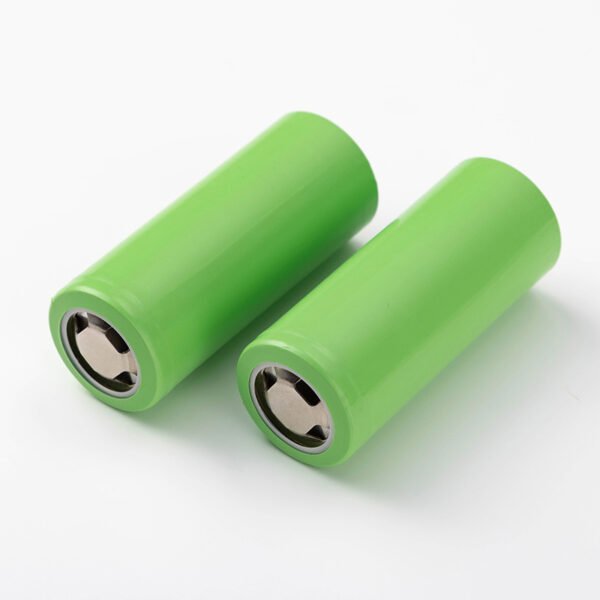
Physical Dimensions: Battery compartment constraints demand precise dimensional compliance. Common formats include AA, 18650, and custom cylindrical configurations. Verify exact measurements against equipment specifications before procurement.
Safety and Reliability Considerations
Military operations demand uncompromising safety standards. When selecting lithium primary batteries, verify the following certifications and testing protocols:
UN 38.3 Transportation Compliance: Essential for international shipping and logistics operations.
MIL-STD-810 Environmental Testing: Confirms battery performance under vibration, shock, humidity, and temperature cycling conditions matching military standards.
IEC 60086 Safety Standards: International electrochemical safety compliance ensures operational safety across global deployment scenarios.
Hermetic Sealing: Quality Li-SOCl₂ cells feature laser-welded hermetic seals preventing electrolyte leakage and maintaining performance integrity throughout shelf life.
Storage and Logistics Management
Proper battery storage extends operational readiness and reduces total cost of ownership:
- Store batteries at 15°C to 25°C in dry environments (relative humidity below 65%)
- Implement first-in-first-out (FIFO) inventory rotation
- Maintain documentation tracking manufacturing dates and lot numbers
- Conduct periodic voltage verification for long-term storage inventory
Partner with Experienced Battery Manufacturers
Selecting the right lithium battery supplier proves as critical as choosing appropriate battery specifications. Established manufacturers provide technical support, customization capabilities, and consistent quality control essential for military applications.
For detailed technical consultation and product specifications, visit our primary battery product page to explore military-grade lithium battery solutions designed for night vision equipment and defense applications.
Our engineering team supports technical procurement professionals with customized battery solutions, certification documentation, and supply chain reliability. Contact us for project-specific requirements and volume procurement discussions.
Conclusion
Military night vision goggles demand lithium primary batteries that balance energy density, environmental resilience, and long-term reliability. By understanding key technical parameters, verifying safety certifications, and partnering with qualified manufacturers, defense procurement teams ensure operational readiness while optimizing total cost of ownership. Li-SOCl₂ technology remains the optimal choice for NVG applications, delivering proven performance across diverse operational scenarios worldwide.
Invest in quality battery selection today—your mission success depends on reliable power when it matters most.
