
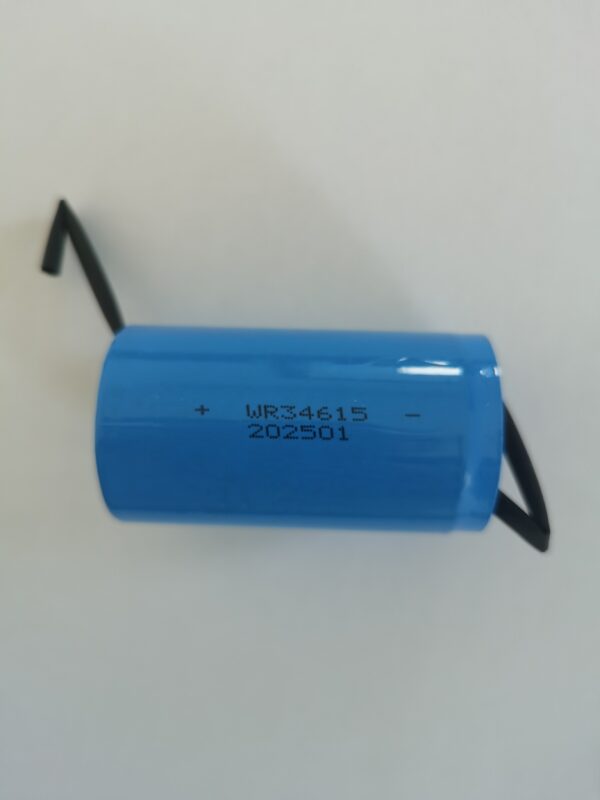
Why Li-MnO₂ Batteries Die Fast in Glucose Meters in Hot Climates
For B2B Medical Device Manufacturers and Battery Procurement Professionals
Li-MnO₂ (lithium manganese dioxide) primary batteries are the industry standard for glucose meters worldwide, offering stable 3.0V output and low self-discharge rates under normal conditions. However, medical device manufacturers operating in tropical and subtropical regions increasingly report premature battery failure when ambient temperatures exceed 45°C. This technical analysis examines the root causes and provides actionable insights for B2B partners seeking reliable power solutions.
Understanding the Core Failure Mechanisms
1. Electrolyte Thermal Degradation
The organic electrolyte system in Li-MnO₂ cells typically contains dimethoxyethane (DME), propylene carbonate (PC), and lithium perchlorate (LiClO₄). At elevated temperatures above 60°C, these components undergo accelerated chemical decomposition:
- Solvent oxidation increases internal resistance by 40-60% within 30 days
- Salt decomposition generates gas pressure, compromising seal integrity
- Viscosity changes reduce ionic conductivity, causing voltage drop under load
Standard CR2032 specifications indicate operating ranges of -10°C to +60°C, but continuous exposure above 45°C significantly reduces service life. Medical device designers must account for real-world conditions where device storage in vehicles or direct sunlight can push internal temperatures beyond 70°C.
2. Accelerated Self-Discharge at High Temperature
Self-discharge rates follow the Arrhenius equation, doubling approximately every 10°C increase. While Li-MnO₂ batteries demonstrate ≤1% annual self-discharge at 25°C, this escalates dramatically:
| Temperature | Annual Self-Discharge | Effective Shelf Life |
|---|---|---|
| 25°C | 1-2% | 10 years |
| 45°C | 8-12% | 3-4 years |
| 60°C | 25-35% | 1-2 years |
For glucose meters requiring 2-3 year operational reliability, tropical climate deployment demands specialized battery chemistry or thermal management considerations.
3. Cathode Material Structural Changes
Manganese dioxide (MnO₂) undergoes phase transitions at elevated temperatures, reducing electrochemical activity:
- γ-MnO₂ to β-MnO₂ transformation decreases available capacity by 15-20%
- Surface passivation layers thicken, increasing polarization during pulse discharge
- Particle microcracking from thermal expansion mismatches creates electrical isolation
These changes manifest as sudden voltage drops during test strip activation, causing device shutdown despite remaining capacity.
4. Seal and Gasket Material Failure
The hermetic seal represents the weakest link in high-temperature applications:
- Polymer gaskets (typically PP or PTFE) lose elasticity above 65°C
- Thermal cycling creates micro-leakage paths for electrolyte vapor
- Moisture ingress accelerates internal corrosion and self-discharge
Field data from Southeast Asian markets shows 3-5× higher failure rates compared to temperate regions, primarily attributed to seal degradation rather than electrochemical exhaustion.
Technical Solutions for B2B Partners
Select Extended Temperature Grade Cells
Manufacturers now offer wide-temperature Li-MnO₂ variants rated for -40°C to +85°C continuous operation. These incorporate:
- Thermally stable electrolyte additives (boron-based compounds)
- Reinforced seal designs with multi-layer gasket systems
- Optimized cathode density for reduced internal heat generation
Implement Thermal Management in Device Design
- Position battery compartment away from heat-generating components
- Use reflective housing materials to reduce solar heat absorption
- Include temperature monitoring with low-battery warnings at 50°C threshold
Establish Regional Supply Chain Protocols
For tropical market deployment:
- Specify high-temperature grade batteries in procurement contracts
- Reduce maximum shelf-life expectations from 10 to 5 years
- Implement FIFO inventory management with temperature-controlled warehousing
Partner with Specialized Primary Battery Manufacturers
Medical device manufacturers cannot afford field failures that compromise patient care. Selecting battery suppliers with proven high-temperature performance data and medical-grade quality certifications is essential for market success in hot climate regions.
Contact our technical team for customized Li-MnO₂ battery solutions designed for medical device applications: Contact Us
Explore our full range of primary lithium batteries optimized for demanding environments: Primary Battery Products
This technical brief is intended for B2B procurement professionals, medical device engineers, and quality assurance managers evaluating power source reliability for glucose monitoring systems in high-temperature markets.
