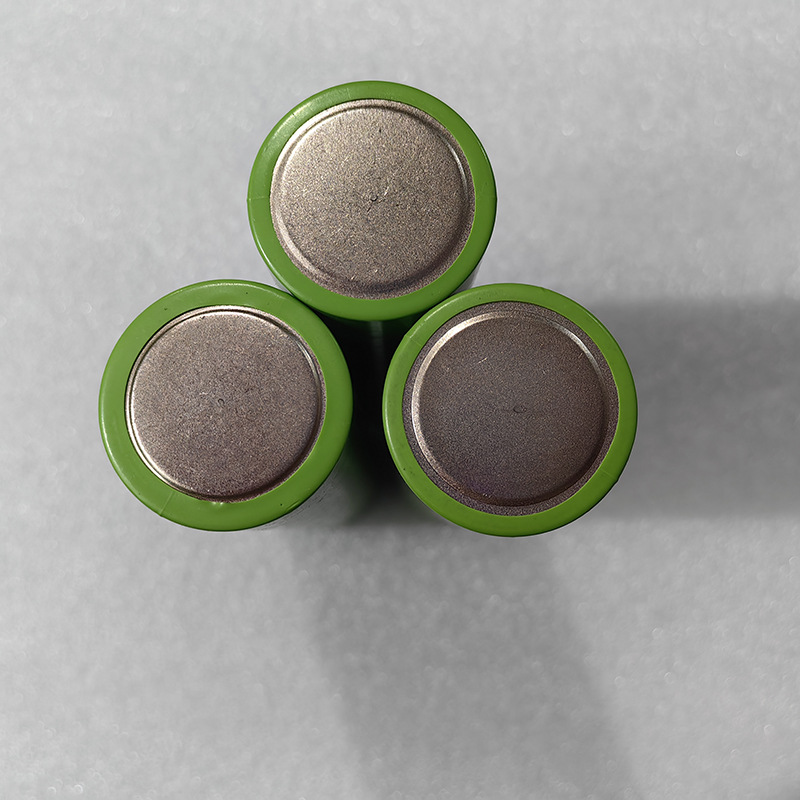
2026 LFP Cylindrical Battery Supplier: Fix Long Cycle Life in E-bike Using 18650 Cells Fast Shipping Guaranteed
Introduction: The 2026 E-bike Battery Revolution
As we advance into 2026, the electric bicycle industry continues its exponential growth trajectory, with battery technology serving as the critical differentiator for performance and longevity. Lithium Iron Phosphate (LFP) cylindrical batteries, particularly the standardized 18650 cell format, have emerged as the preferred solution for manufacturers seeking to balance cycle life, safety, and cost-effectiveness. This comprehensive guide examines how selecting the right LFP cylindrical battery supplier can fundamentally resolve long-term cycle life challenges in e-bike applications while ensuring rapid delivery commitments.
Understanding LFP 18650 Technology Fundamentals
The 18650 designation refers to cylindrical lithium-ion cells measuring 18mm in diameter and 65mm in length. When configured with LFP cathode chemistry, these cells deliver nominal voltages of 3.2V compared to 3.7V for traditional NCM variants. This lower voltage translates directly into enhanced thermal stability and significantly reduced thermal runaway risk—a critical consideration for e-bike applications where batteries operate in variable environmental conditions.
LFP chemistry inherently provides superior cycle life characteristics. While conventional lithium-ion cells typically achieve 500-1,000 charge cycles before capacity degradation becomes noticeable, premium LFP 18650 cells consistently deliver 2,000-3,000+ cycles at 80% depth of discharge. For daily e-bike commuters, this translates to 5-8 years of reliable service before battery replacement becomes necessary.
Key Technical Advantages for E-bike Applications
Thermal Stability: LFP cells maintain structural integrity at elevated temperatures up to 270°C, substantially higher than NCM alternatives. This characteristic proves essential for e-bikes operating in tropical climates or under heavy load conditions where battery packs experience significant heat generation.
Safety Profile: The olivine crystal structure of lithium iron phosphate creates stronger chemical bonds, dramatically reducing the likelihood of oxygen release during cell failure. This inherent safety margin minimizes fire risk—a paramount concern for battery packs mounted on personal transportation devices.
Cost Efficiency: Despite slightly lower energy density compared to NCM chemistry, LFP cells offer superior total cost of ownership when cycle life is factored into procurement calculations. The extended service life reduces replacement frequency and associated downtime costs for fleet operators.
Selecting the Right Cylindrical Battery Cell Supplier
When evaluating potential suppliers for LFP 18650 cells, technical procurement teams should prioritize manufacturers with demonstrated production consistency and quality certification. Critical evaluation criteria include:
- Cell Matching Consistency: Premium suppliers maintain capacity variance below 3% within production batches, ensuring balanced pack performance and extended overall system life.
- Quality Certifications: ISO 9001, UL, CE, and RoHS compliance indicate manufacturing processes meeting international safety and environmental standards.
- Technical Support Capability: Responsive engineering support for pack design optimization and BMS integration questions distinguishes professional suppliers from commodity vendors.
For comprehensive supplier verification, technical teams should review detailed manufacturer credentials at https://cnsbattery.com/battery-manufacturers-in-china/ to assess production capabilities and quality management systems.
Fast Shipping: A Critical Supply Chain Consideration
In 2026’s competitive e-bike market, inventory turnover speed directly impacts manufacturer competitiveness. Leading LFP cylindrical battery suppliers now guarantee shipping timelines of 7-15 days for standard orders, with expedited options available for urgent production requirements. This commitment requires manufacturers to maintain strategic inventory levels and established logistics partnerships with international freight forwarders.
Fast shipping guarantees become particularly valuable when addressing unexpected demand surges or replacing defective batches without disrupting production schedules. Suppliers offering this service typically operate multiple distribution centers and maintain buffer stock of popular cell configurations.
Integration Best Practices for Maximum Cycle Life
Achieving advertised cycle life specifications requires proper battery pack design and management. Key implementation recommendations include:
BMS Configuration: Implement battery management systems with cell balancing capabilities, temperature monitoring, and appropriate charge/discharge current limits. Proper BMS calibration prevents individual cell overstress that accelerates pack degradation.
Thermal Management: Design pack enclosures with adequate ventilation or active cooling for high-power applications. Maintaining cell temperatures between 15-35°C during operation optimizes longevity.
Charging Protocols: Avoid continuous 100% state-of-charge storage. For e-bikes with predictable usage patterns, maintaining 20-80% SOC during idle periods significantly extends calendar life.
Product Selection and Technical Consultation
For engineers evaluating specific LFP 18650 cell options for e-bike applications, detailed product specifications and technical documentation are available at https://cnsbattery.com/products-3/cylindrical-battery-cell/. This resource provides comprehensive data sheets including capacity ratings, discharge curves, and recommended operating parameters essential for pack design validation.
Technical procurement teams requiring customized solutions or volume pricing should initiate direct consultation through https://cnsbattery.com/contact-2/ to discuss specific application requirements and receive tailored recommendations from engineering specialists.
Conclusion: Building Sustainable E-bike Battery Solutions
The transition to LFP cylindrical 18650 cells represents a strategic investment in e-bike product longevity and customer satisfaction. By partnering with qualified suppliers offering consistent quality, technical support, and reliable shipping commitments, manufacturers can deliver products that maintain performance throughout extended service life. As 2026 regulatory requirements increasingly emphasize battery sustainability and lifecycle tracking, LFP chemistry’s inherent advantages position it as the optimal choice for next-generation electric mobility solutions.
Technical teams prioritizing cycle life performance, safety certification, and supply chain reliability will find that premium LFP 18650 suppliers deliver measurable value through reduced warranty claims, enhanced brand reputation, and satisfied end-users experiencing consistent performance throughout their e-bike’s operational lifetime.