
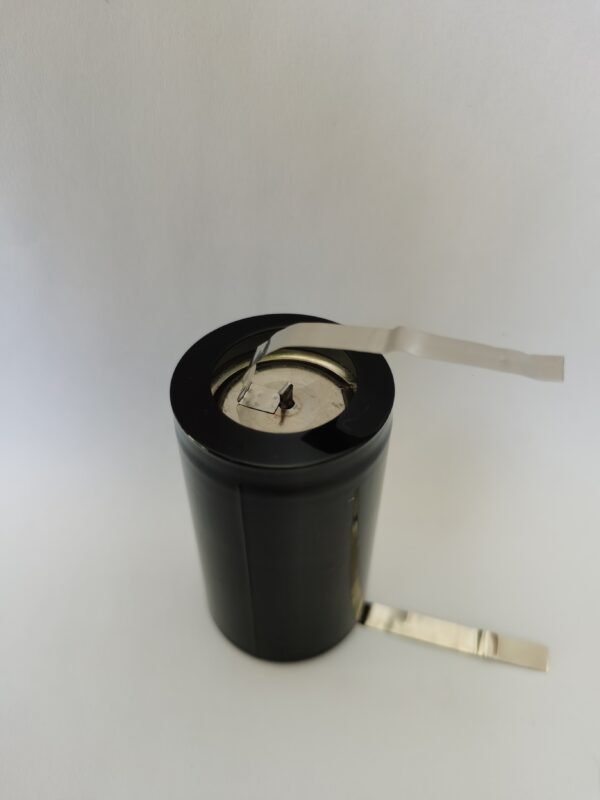
Saft LS33600/S Li-SOCl₂ Battery Alternative: A Comprehensive Technical Guide for Engineers
Introduction
The Saft LS33600/S lithium-thionyl chloride (Li-SOCl₂) battery has long been a cornerstone power solution for industrial applications requiring reliable, long-life energy storage. However, with evolving supply chain dynamics and cost optimization priorities, engineers and technical procurement specialists increasingly seek viable alternatives that maintain performance standards while offering competitive advantages. This article provides an in-depth technical analysis of Li-SOCl₂ battery specifications, alternative selection criteria, and key considerations for mission-critical applications.
Understanding Li-SOCl₂ Battery Technology
Lithium-thionyl chloride batteries represent one of the four mature primary lithium chemistries available today, alongside Li-SO₂ (2.9V), Li-MnO₂ (3V), and Li-CFx (3V high-temperature variants). The Li-SOCl₂ chemistry delivers a nominal voltage of 3.6V with exceptional energy density reaching up to 710 Wh/kg theoretically, with practical applications achieving approximately 650 Wh/kg.
The LS33600/S model specifically offers:
- Nominal Voltage: 3.6V
- Typical Capacity: 1100-1200mAh
- Operating Temperature Range: -55°C to +85°C
- Self-Discharge Rate: Less than 1% per year at ambient temperature
- Shelf Life: Up to 10 years under proper storage conditions
These specifications make Li-SOCl₂ batteries ideal for applications including PLC systems, CNC machines, utility meters, medical devices, and remote monitoring equipment where battery replacement is impractical or cost-prohibitive.
Critical Selection Criteria for Alternatives
When evaluating Saft LS33600/S alternatives, engineers must consider multiple technical parameters beyond basic voltage and capacity matching.
1. Voltage Stability Under Load
Li-SOCl₂ batteries exhibit voltage delay characteristics due to passivation layer formation on the lithium anode. Quality alternatives must demonstrate consistent voltage profiles under varying load conditions, particularly for applications with periodic high-current pulses. Engineers should request discharge curve data at multiple C-rates to verify performance alignment with original specifications.
2. Temperature Performance Verification
Industrial applications often operate in extreme environments. Alternative batteries must maintain capacity retention across the full -55°C to +85°C range. Low-temperature performance is particularly critical, as electrolyte viscosity increases can significantly reduce available capacity below -40°C without proper chemical formulation.
3. Safety and Certification Compliance
Reputable alternatives should carry relevant international certifications including IEC 60086-4, UL 1642, and UN 38.3 for transportation. For hazardous location applications, ATEX or IECEx certification may be mandatory. Documentation completeness directly impacts procurement approval timelines in regulated industries.
4. Long-Term Reliability Data
Manufacturers should provide accelerated aging test results and field performance data spanning minimum 5-year periods. Self-discharge rates below 1% annually ensure predictable end-of-life calculations for 10-year deployment scenarios common in utility metering and infrastructure monitoring.
Supply Chain and Procurement Considerations
Beyond technical specifications, procurement teams must evaluate supplier stability, lead times, and quality control systems. Single-source dependency creates vulnerability; qualified alternative suppliers provide negotiation leverage and continuity assurance.
Reputable manufacturers maintain ISO 9001 certified production facilities with traceability systems covering raw material sourcing through final testing. Batch consistency directly impacts field failure rates, making quality documentation essential for technical validation processes.
For comprehensive product portfolios and technical support, engineers can explore primary battery solutions at https://cnsbattery.com/primary-battery/. Direct technical consultation ensures proper specification matching for your specific application requirements.
Common Application Migration Scenarios
Utility Metering Systems
Water, gas, and electricity meters typically require 10-15 year battery life with minimal maintenance. Alternative batteries must match the original’s low self-discharge characteristics while maintaining capacity under temperature cycling. Pulse load capability becomes critical for AMI/AMR communication modules activating periodically.
Industrial Automation Equipment
PLC backup power, CNC memory retention, and servo system configurations demand reliable voltage during extended power interruptions. Alternative selection should prioritize low-temperature performance for unheated industrial environments and verify compatibility with existing battery holders and connector systems.
Medical and Safety Devices
Implantable and portable medical equipment requires the highest reliability standards. Alternative batteries must undergo additional biocompatibility testing and maintain strict lot traceability. Regulatory documentation completeness often outweighs marginal cost savings in these applications.
Technical Validation Protocol
Before deploying alternatives at scale, implement a structured validation protocol:
- Initial Sampling: Obtain minimum 30 units from multiple production lots
- Baseline Testing: Measure OCV, capacity, and internal resistance against original specifications
- Environmental Stress Testing: Subject samples to temperature cycling (-55°C to +85°C) and humidity exposure
- Load Profile Simulation: Replicate actual application discharge patterns including pulse currents
- Long-Term Monitoring: Track voltage decay and capacity retention over 6-12 month periods
This systematic approach minimizes field failure risks while building confidence in alternative supplier capabilities.
Conclusion
Selecting a Saft LS33600/S Li-SOCl₂ battery alternative requires balancing technical performance, supply chain reliability, and total cost of ownership. Engineers must look beyond datasheet specifications to verify real-world performance through comprehensive testing protocols. Established manufacturers with proven track records in primary lithium chemistry offer the safest migration path for mission-critical applications.
For detailed technical consultations and customized battery solutions, contact our engineering team at https://cnsbattery.com/primary-battery-contact-us/. Our specialists provide application-specific recommendations ensuring optimal performance while maintaining compliance with your industry’s regulatory requirements.
The transition to alternative Li-SOCl₂ batteries, when executed with proper technical diligence, delivers cost optimization without compromising the reliability that industrial applications demand. Strategic supplier partnerships combined with rigorous validation protocols ensure long-term deployment success across utility, industrial, and medical sectors.
