
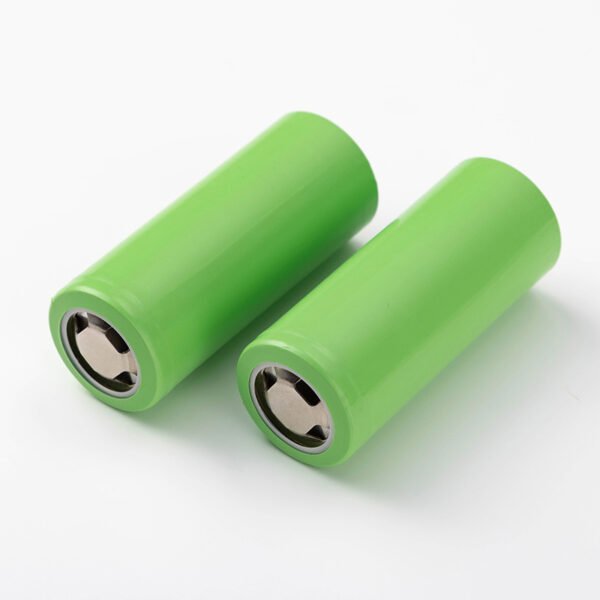
Automotive Lithium Battery Bulk Wholesale | IATF16949 Certified
Introduction: The Critical Role of Certified Lithium Batteries in Automotive Supply Chains
In the rapidly evolving automotive electronics landscape, securing reliable lithium battery suppliers with proper certifications has become paramount for OEMs and Tier-1 manufacturers. The designation IATF16949 Certified represents more than a compliance checkbox—it signifies a comprehensive quality management system specifically designed for automotive production environments. For technical procurement professionals evaluating automotive lithium battery bulk wholesale options, understanding the technical implications of this certification alongside battery performance parameters is essential for supply chain risk mitigation.
IATF16949 Certification: Technical Requirements and Quality Assurance Framework
IATF16949 builds upon ISO9001 foundations with automotive-specific requirements including advanced product quality planning (APQP), production part approval process (PPAP), and failure mode and effects analysis (FMEA). For lithium primary battery manufacturers, this certification mandates:
- Traceability Systems: Complete batch tracking from raw material sourcing through final shipment
- Process Control: Statistical process control (SPC) with documented capability indices (Cpk ≥ 1.33)
- Non-Conformance Management: Structured corrective action protocols with root cause analysis
- Supplier Quality Management: Tiered supplier approval with regular audit cycles
Technical buyers should verify certification validity through IATF’s official database and request recent audit summaries during supplier qualification processes.
Key Performance Parameters for Automotive Lithium Primary Batteries
When evaluating lithium metal primary batteries for automotive applications, several critical parameters determine suitability:
Voltage Characteristics
Li-SOCl₂ batteries deliver nominal 3.6V with flat discharge curves maintaining >90% capacity at 2/3 voltage throughout most of the discharge cycle. This stability proves crucial for memory backup, tire pressure monitoring systems (TPMS), and emergency call systems (eCall).
Temperature Performance
Automotive-grade cells must operate across -40°C to +85°C ranges, with some applications requiring +125°C capability under hood. Electrolyte formulation and separator materials determine low-temperature impedance characteristics and high-temperature self-discharge rates.
Self-Discharge Rates
Premium automotive cells demonstrate <1% annual self-discharge at 20°C, enabling 10+ year shelf life. This parameter directly impacts warranty cost calculations and inventory management strategies for bulk purchasers.
Safety Testing Protocols
IATF16949 requires comprehensive validation including:
- UN38.3 transportation testing (altitude, thermal, vibration, shock, external short circuit, impact, overcharge, forced discharge)
- IEC60086-4 safety standards compliance
- Automotive-specific vibration profiles per ISO16750-3
Testing Methodologies for Bulk Purchase Validation
Technical procurement teams should implement incoming quality verification protocols:
- Open Circuit Voltage (OCV) Sampling: Statistical sampling per ANSI/ASQ Z1.4 with acceptance criteria based on application criticality
- Impedance Matching: AC impedance measurement at 1kHz to ensure consistency within production batches
- Capacity Verification: Sample discharge testing at application-specific load profiles
- Dimensional Inspection: CMM verification for automated assembly compatibility
Establishing clear acceptance quality limits (AQL) in purchase agreements protects against batch variability while maintaining supply chain efficiency.
Regional Compliance and Technical Barriers: CNS Product Adaptation
For global automotive suppliers, regional regulatory compliance creates significant technical barriers. CNS battery products demonstrate strategic adaptation across key markets:
European Union Compliance
- REACH regulation adherence for chemical substance restrictions
- RoHS directive compliance for hazardous material limitations
- CE marking requirements with notified body documentation
- End-of-life vehicle (ELV) directive considerations for recyclability
United States Market Requirements
- UL certification for specific automotive applications
- DOT transportation regulations for lithium battery shipping
- State-specific recycling mandates (California, New York)
- NHTSA safety reporting requirements for automotive components
Technical Localization Strategies
Successful market penetration requires more than certification—it demands engineering adaptation. This includes terminal configuration variations for regional assembly line requirements, documentation localization for technical support teams, and inventory positioning for JIT delivery expectations in different automotive manufacturing hubs.
For technical teams evaluating automotive lithium battery bulk wholesale partnerships, verifying supplier capability across these regional requirements prevents costly redesign cycles and compliance delays during vehicle homologation processes.
Conclusion: Strategic Supplier Selection for Long-Term Partnership
The intersection of IATF16949 certification, technical performance validation, and regional compliance capability defines qualified suppliers in the automotive lithium battery sector. Technical procurement professionals should prioritize partners demonstrating transparent quality systems, comprehensive testing documentation, and proven regional adaptation strategies.
For detailed technical specifications and certification documentation regarding automotive-grade lithium primary batteries, visit our product portfolio. Engineering teams requiring application-specific consultation or bulk purchase quotations can connect directly through our technical contact channel.
Selecting the right battery partner requires balancing immediate cost considerations against long-term supply chain reliability, quality consistency, and regulatory compliance support—factors that ultimately determine total cost of ownership in automotive applications spanning 10+ year vehicle lifecycles.
