
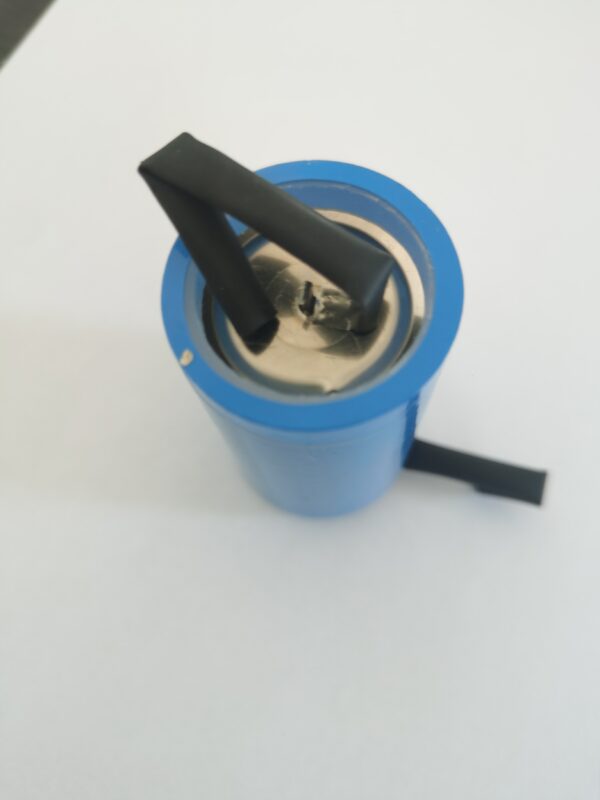
Li-MnO₂ Battery for Aircraft Emergency Locator Beacon Backup: Technical Specifications and Compliance Standards
Introduction
In the critical domain of aviation safety, Emergency Locator Transmitters (ELTs) serve as the last line of defense when aircraft face distress situations. The backup power system powering these life-saving devices demands exceptional reliability, extended shelf life, and consistent performance across extreme environmental conditions. Lithium Manganese Dioxide (Li-MnO₂) primary batteries have emerged as the industry-preferred solution for ELT backup applications, offering unmatched energy density and operational stability. This article examines the technical rationale behind Li-MnO₂ battery selection for aircraft emergency beacon systems, addressing compliance requirements and engineering considerations for aerospace professionals and technical procurement specialists.
Technical Characteristics of Li-MnO₂ Primary Batteries
Li-MnO₂ batteries utilize lithium metal as the anode and manganese dioxide as the cathode, delivering a nominal voltage of 3.0V with an end-point voltage of 2.0V. This electrochemical architecture provides several advantages critical for aviation emergency systems:
High Energy Density: With specific energy reaching approximately 330Wh/kg, Li-MnO₂ cells maximize power capacity within minimal weight constraints—a paramount consideration for aircraft equipment where every gram impacts fuel efficiency and payload calculations.
Extended Shelf Life: Primary lithium batteries maintain over 90% capacity retention after 10 years of storage under recommended conditions. This characteristic aligns perfectly with ELT maintenance cycles, reducing replacement frequency and ensuring readiness during extended service intervals.
Wide Temperature Performance: Operating effectively across -40°C to +85°C ranges, Li-MnO₂ batteries maintain consistent discharge characteristics regardless of altitude-induced temperature variations or extreme climate conditions encountered during global flight operations.
Low Self-Discharge Rate: Annual self-discharge rates below 1% ensure that backup power remains available even after prolonged dormancy, a critical requirement for emergency systems that may remain inactive for years before deployment.
Aviation Regulatory Compliance Framework
The integration of Li-MnO₂ batteries into ELT systems must satisfy multiple regulatory frameworks governing aviation safety and hazardous materials transport:
ICAO Standards: The International Civil Aviation Organization mandates specific performance criteria for emergency beacon power systems under Annex 6 (Operation of Aircraft) and Annex 10 (Aeronautical Telecommunications). Battery systems must demonstrate reliable activation within 5 seconds of crash impact and sustain transmission for minimum 48 hours continuously.
IATA DGR Requirements: The 66th Edition of IATA Dangerous Goods Regulations, effective January 2025, introduced refined classification protocols for lithium metal batteries (UN 3090). For ELT installations, batteries must comply with Section II packaging requirements when shipped with equipment, including 3-meter stacking test certification and state-of-charge documentation.
Cospas-Sarsat Certification: International satellite search-and-rescue systems require ELT manufacturers to demonstrate battery performance under -40°C cold soak conditions, ensuring signal transmission capability following high-altitude emergencies where ambient temperatures plummet dramatically.
EASA and FAA Airworthiness: European Union Aviation Safety Agency and Federal Aviation Administration regulations mandate TSO-C126 compliance for ELT systems, including battery compartment fire resistance, vibration testing per DO-160 standards, and electromagnetic compatibility verification.
Application-Specific Engineering Considerations
When specifying Li-MnO₂ batteries for ELT backup applications, engineering teams should evaluate several performance parameters:
Pulse Current Capability: Emergency beacon transmission requires high-current pulses (typically 1-3A) during signal bursts. Battery internal resistance must remain below 50 milliohms to prevent voltage sag during transmission cycles.
Connector Integration: Hermetically sealed battery compartments with corrosion-resistant terminals prevent electrolyte leakage and maintain electrical integrity throughout the aircraft service life.
Monitoring Systems: Advanced ELT designs incorporate battery voltage monitoring circuits that trigger maintenance alerts when capacity drops below 80% of rated specifications, enabling proactive replacement before failure occurs.
Environmental Sealing: IP67-rated battery enclosures protect against moisture ingress during water landing scenarios, maintaining electrical continuity even after prolonged submersion.
Procurement and Supply Chain Considerations
Technical procurement specialists evaluating Li-MnO₂ battery suppliers should verify:
Manufacturing Certifications: ISO 9001:2015 quality management systems and AS9100D aerospace quality standards demonstrate supplier commitment to consistent production controls.
Traceability Documentation: Complete material traceability from raw lithium sourcing through final cell assembly enables compliance auditing and facilitates incident investigation if required.
Testing Protocols: Independent third-party validation per IEC 60086-4 (safety) and IEC 61960 (performance) standards provides objective performance verification beyond manufacturer claims.
Lead Time Management: Aerospace battery production typically requires 12-16 week lead times for custom configurations. Procurement planning should account for certification testing cycles and regulatory approval timelines.
Conclusion
Li-MnO₂ primary batteries represent the optimal power solution for aircraft emergency locator beacon backup systems, combining exceptional energy density, extended storage stability, and reliable performance across extreme operational envelopes. As aviation safety regulations continue evolving with the 2025-2026 IATA DGR updates and enhanced EASA requirements, battery selection decisions must balance technical performance with comprehensive compliance documentation. Engineering teams and procurement specialists should prioritize suppliers demonstrating proven aerospace quality systems and complete regulatory traceability.
For detailed technical specifications and compliance documentation regarding Li-MnO₂ primary battery solutions for aviation applications, visit our product portfolio at https://cnsbattery.com/primary-battery/. Our engineering team stands ready to support your ELT power system requirements with certified solutions meeting international aviation standards.
For direct technical consultation and custom battery configuration inquiries, please contact us through https://cnsbattery.com/primary-battery-contact-us/. We provide comprehensive support from initial specification through certification documentation for aerospace battery integration projects.
