
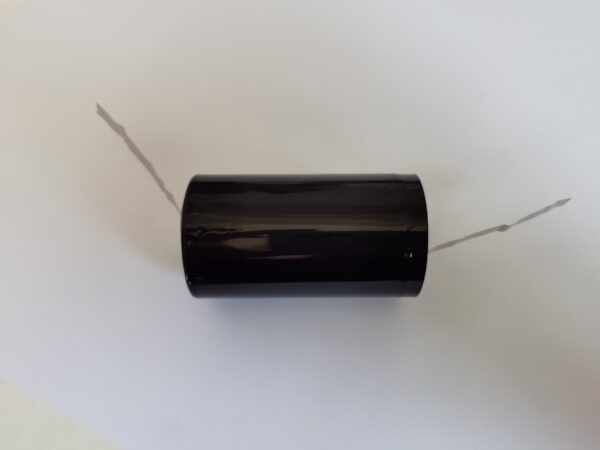
-60°C to +150°C Ultra Wide Temperature Li-SOCl₂ Battery
Powering Extreme Environments with Unmatched Reliability
In today’s rapidly evolving industrial landscape, the demand for power solutions capable of operating in extreme conditions has never been more critical. The -60°C to +150°C Ultra Wide Temperature Li-SOCl₂ Battery represents a breakthrough in primary lithium battery technology, delivering exceptional performance across the most challenging thermal environments on Earth and beyond. For industries spanning oil & gas exploration, aerospace defense, deep-sea instrumentation, and remote IoT deployments, this technology isn’t just an option—it’s an operational necessity.
Understanding Li-SOCl₂ Battery Technology
Lithium Thionyl Chloride (Li-SOCl₂) batteries stand as the highest energy density primary batteries commercially available today, achieving 590-750 Wh/kg specific energy. The electrochemical reaction follows: 4Li + 2SOCl₂ → 4LiCl + S + SO₂, producing a stable nominal voltage of 3.6V throughout most of the discharge cycle.
What distinguishes Li-SOCl₂ chemistry from conventional lithium-ion or alkaline alternatives is its unique liquid-phase cathode system. The thionyl chloride serves simultaneously as cathode active material and electrolyte solvent, enabling superior ion transport even at temperature extremes where traditional batteries fail completely.
Core Technical Advantages
1. Unparalleled Temperature Resilience
The -60°C to +150°C operating range isn’t merely a specification—it’s engineered performance validated through rigorous testing. At -60°C, conventional lithium-ion batteries retain less than 20% capacity, while Li-SOCl₂ maintains over 80% functionality. At the +150°C upper limit, specialized high-temperature variants incorporate advanced glass-to-metal seals and corrosion-resistant housing materials that prevent electrolyte degradation and internal pressure buildup.
This thermal stability makes these batteries indispensable for:
- Arctic/Antarctic research equipment
- Downhole drilling instrumentation (oil & gas)
- Aerospace applications experiencing rapid thermal cycling
- Automotive engine compartment sensors
2. Extended Shelf Life with Minimal Self-Discharge
Li-SOCl₂ batteries exhibit an annual self-discharge rate of approximately 1% under normal storage conditions, translating to 15-20 years of reliable shelf life. This characteristic proves invaluable for emergency backup systems, military equipment stockpiles, and remote installations where battery replacement involves significant logistical challenges.
The low self-discharge stems from the stable passivation layer that forms on the lithium anode surface, effectively preventing unwanted chemical reactions during storage while remaining permeable during active discharge.
3. Flat Discharge Curve for Consistent Performance
Throughout 90% of the discharge cycle, Li-SOCl₂ batteries maintain voltage within 3.6V ±0.2V, providing predictable power delivery essential for precision instrumentation. Unlike batteries with sloping discharge curves, this flat profile eliminates the need for complex voltage regulation circuitry, reducing system design complexity and overall cost.
Critical Application Scenarios
Smart Metering & Utility Infrastructure
Global smart meter deployments require backup power sources capable of surviving 15+ year installation lifecycles across diverse climate zones. Li-SOCl₂ batteries have become the industry standard for AMI (Advanced Metering Infrastructure), ensuring continuous operation during main power failures while maintaining accurate time-stamped consumption data.
Industrial IoT & Remote Monitoring
From pipeline monitoring stations in Siberian winters to solar-powered weather stations in desert environments, ultra-wide temperature Li-SOCl₂ batteries enable reliable data transmission where grid power remains unavailable. The combination of high energy density and temperature resilience minimizes maintenance visits, dramatically reducing total cost of ownership.
Defense & Aerospace Systems
Military specifications often mandate operation across -55°C to +125°C ranges with extended storage requirements. Li-SOCl₂ technology meets these demanding standards while providing the energy density necessary for portable communications equipment, unmanned systems, and emergency locator beacons.
Selection Considerations for B2B Buyers
When evaluating Li-SOCl₂ batteries for extreme temperature applications, consider these critical factors:
Cell Construction Type: Bobbin-type cells offer higher capacity and longer life for low-drain applications, while spiral-wound designs support higher pulse currents for wireless transmission requirements.
Safety Certifications: Ensure compliance with UN38.3, IEC62133, and relevant regional standards for your target markets. Recent regulatory changes in 2026 have streamlined export procedures for certain capacity ranges.
Customization Options: Many manufacturers offer tailored solutions including specialized terminals, custom housing dimensions, and integrated protection circuits for specific application requirements.
Partner with Experienced Manufacturers
Selecting the right battery partner requires evaluating manufacturing capabilities, quality control systems, and technical support infrastructure. Established manufacturers provide comprehensive documentation including MSDS, test reports, and application engineering support throughout your product development cycle.
For detailed technical specifications and customization options, explore our comprehensive primary battery product range. Our engineering team specializes in matching battery characteristics to specific application requirements across diverse industries and geographic regions.
Conclusion: Future-Proof Your Power Strategy
The -60°C to +150°C Ultra Wide Temperature Li-SOCl₂ Battery represents more than incremental improvement—it’s a fundamental enabler for operations in environments previously considered too extreme for reliable electronic systems. As industrial IoT expands into harsher territories and infrastructure deployments extend across more diverse climate zones, this technology will continue proving its indispensable value.
For organizations requiring reliable power solutions in extreme conditions, the question isn’t whether to adopt Li-SOCl₂ technology, but rather how quickly to integrate it into your power strategy. Contact our technical team today to discuss your specific application requirements and discover how ultra-wide temperature Li-SOCl₂ batteries can enhance your system reliability while reducing long-term operational costs.
Ready to explore customized solutions for your extreme environment applications? Contact us for technical consultation and quotation support tailored to your project specifications.
