
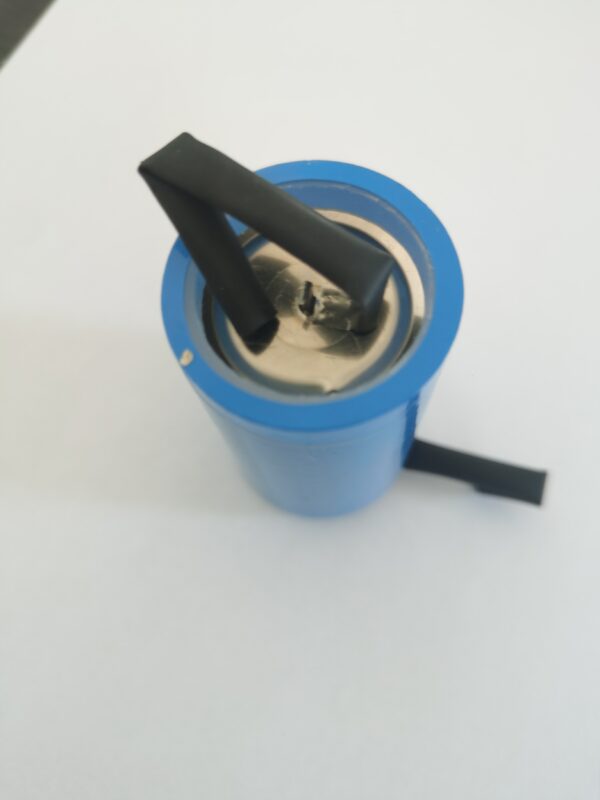
High Pulse IoT Sensor Battery | Zero Voltage Delay Li-SOCl₂
The rapid expansion of Internet of Things (IoT) deployments across industrial, commercial, and infrastructure sectors has created unprecedented demand for reliable power solutions. Among all battery chemistries, lithium thionyl chloride (Li-SOCl₂) technology stands out as the premier choice for high-pulse IoT sensor applications requiring zero voltage delay and extended operational life. As a leading primary battery manufacturer, we understand the critical importance of selecting the right power source for mission-critical IoT deployments.
Understanding Li-SOCl₂ Technology for IoT Applications
Lithium thionyl chloride batteries represent the highest energy density commercially available primary battery technology today. With typical energy densities exceeding 500 Wh/kg, Li-SOCl₂ cells provide unparalleled power-to-weight ratios essential for remote sensor installations where battery replacement is impractical or cost-prohibitive. The chemistry utilizes lithium metal as the anode and thionyl chloride as both cathode and electrolyte solvent, creating a highly stable electrochemical system.
The zero voltage delay characteristic is particularly crucial for IoT sensor networks. Unlike alkaline or other lithium chemistries that may experience voltage depression during initial load application, premium Li-SOCl₂ batteries deliver immediate nominal voltage upon connection. This feature ensures sensor devices activate reliably without startup failures, maintaining data integrity across distributed monitoring systems.
High Pulse Capability: Meeting IoT Power Demands
Modern IoT sensors frequently require high-current pulses for wireless transmission, particularly when utilizing LPWAN technologies such as LoRaWAN, NB-IoT, or cellular connectivity. Traditional bobbin-type Li-SOCl₂ cells, while offering excellent capacity, may struggle with pulse currents exceeding 100mA. Advanced hybrid designs incorporating spiral-wound construction or capacitive buffering address this limitation effectively.
Our engineered high-pulse Li-SOCl₂ solutions support continuous currents up to 150mA with pulse peaks reaching 2A for durations under 2 seconds. This capability enables reliable operation across diverse IoT applications including smart metering, asset tracking, environmental monitoring, and industrial predictive maintenance systems. The voltage profile remains stable throughout discharge, minimizing the risk of brownout conditions that could corrupt sensor data or trigger unnecessary device resets.
Temperature Performance and Environmental Resilience
IoT sensors often operate in challenging environmental conditions ranging from -40°C to +85°C. Li-SOCl₂ chemistry maintains exceptional performance across this temperature spectrum, outperforming alternative primary battery technologies. At extreme low temperatures, the electrolyte viscosity increases, potentially limiting current delivery. Premium cells incorporate optimized electrolyte formulations and electrode designs to mitigate this effect, ensuring reliable cold-weather operation for outdoor installations in North America, Europe, and Northern Asia.
High-temperature performance is equally critical. Prolonged exposure to elevated temperatures accelerates self-discharge and may compromise long-term reliability. Quality Li-SOCl₂ batteries feature hermetic sealing and passivation layer optimization to minimize capacity loss during storage and operation in hot climates across Middle East, Africa, and Southeast Asia regions.
Long-Term Reliability and Self-Discharge Characteristics
For IoT deployments targeting 10-15 year operational lifespans, self-discharge rate becomes a decisive selection criterion. Premium Li-SOCl₂ cells demonstrate annual self-discharge rates below 1%, enabling decade-long service without maintenance intervention. This characteristic significantly reduces total cost of ownership compared to rechargeable alternatives requiring periodic replacement or recharging infrastructure.
The passivation layer forming on the lithium anode surface provides natural protection against internal degradation. However, this layer must be carefully controlled to balance shelf life against voltage delay characteristics. Advanced manufacturing processes ensure consistent passivation thickness, delivering predictable performance across production batches and geographical distribution channels.
Application-Specific Considerations for Global Deployments
Different IoT applications impose varying power profiles and environmental requirements. Smart utility meters typically demand moderate pulse currents with 10-15 year service life expectations. Asset tracking devices may require higher pulse capability but accept shorter operational periods. Environmental sensors deployed in remote locations prioritize temperature resilience and minimal maintenance requirements.
Understanding these application-specific needs enables proper battery selection and system design. Our engineering team works directly with IoT device manufacturers to characterize power consumption profiles and recommend optimal battery configurations. This collaborative approach ensures reliable field performance across diverse deployment scenarios worldwide.
Quality Assurance and Compliance Standards
Industrial IoT applications demand batteries meeting stringent quality and safety standards. Reputable manufacturers maintain ISO 9001 certified production facilities with comprehensive traceability systems. Each production batch undergoes rigorous testing including capacity verification, impedance measurement, and environmental stress screening.
International compliance certifications including UL, CE, UN38.3, and RoHS ensure global market accessibility. These certifications validate battery safety during transportation, installation, and operation, reducing liability risks for device manufacturers and end customers across North American, European, and Asian markets.
Partnering for IoT Power Solutions
Selecting the right primary battery partner extends beyond product specifications. Technical support, supply chain reliability, and long-term availability commitments differentiate premium manufacturers from commodity suppliers. Established manufacturers maintain consistent chemistry formulations across product generations, ensuring backward compatibility for device redesigns and production scaling.
For detailed technical consultation regarding your specific IoT power requirements, visit our primary battery product page to explore our comprehensive Li-SOCl₂ portfolio. Our engineering team stands ready to support your deployment planning and battery selection process.
To discuss customized solutions or request samples for evaluation, please contact us directly. We maintain distribution networks across major global regions ensuring timely delivery and local technical support for international IoT projects.
The convergence of IoT proliferation and Li-SOCl₂ battery technology creates opportunities for transformative monitoring and automation solutions. By understanding the technical characteristics, performance limitations, and application requirements outlined above, system designers can make informed decisions ensuring reliable, long-lasting IoT deployments. Zero voltage delay, high pulse capability, and exceptional energy density position Li-SOCl₂ as the definitive power solution for next-generation sensor networks spanning industrial, commercial, and infrastructure applications worldwide.
