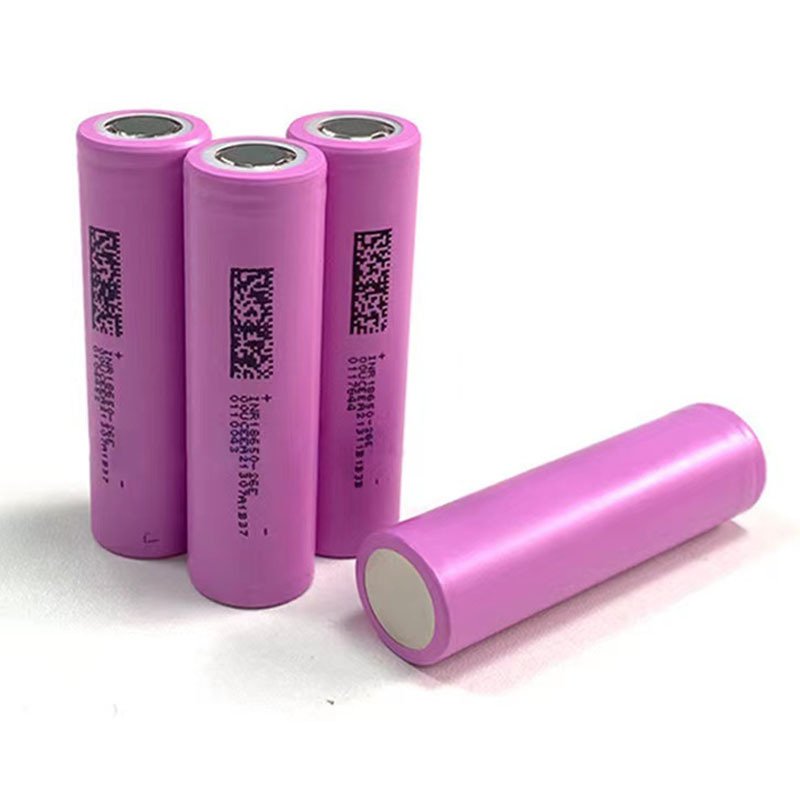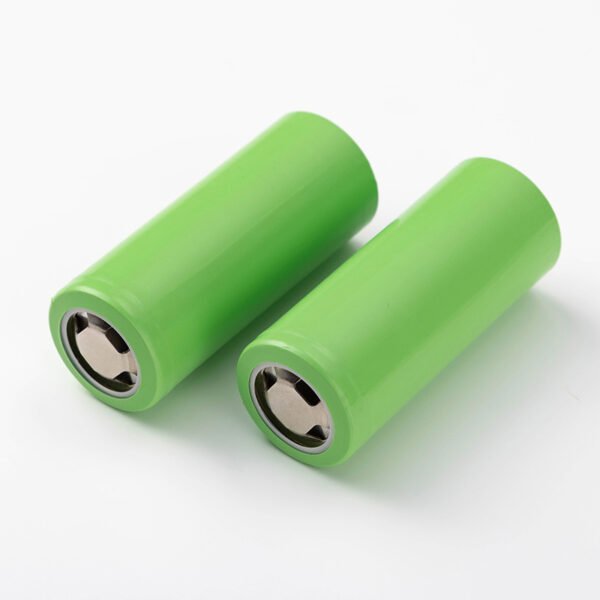
Buy Wholesale 18650 LFP Cells Bulk: High Short Lead Time Performance for E-bike Factory Direct
The global e-bike industry is experiencing unprecedented growth, with manufacturers demanding reliable power solutions that balance performance, safety, and cost-efficiency. Wholesale 18650 LFP cells have emerged as the preferred choice for e-bike factories seeking bulk procurement with short lead times. This article provides a technical deep-dive into 18650 LiFePO4 battery specifications, testing methodologies, and regional compliance requirements essential for engineers and technical procurement professionals.
Understanding 18650 LFP Cell Architecture
The 18650 designation refers to cylindrical lithium-ion cells measuring 18mm in diameter and 65mm in length. When configured with LiFePO4 (Lithium Iron Phosphate) chemistry, these cells deliver exceptional thermal stability and cycle life compared to traditional NCM counterparts. LFP chemistry operates at a nominal voltage of 3.2V, with typical capacity ranges between 1,500-2,000mAh for high-power e-bike applications.
The olivine crystal structure of LiFePO4 provides superior structural integrity during lithium ion intercalation, minimizing capacity degradation over extended cycling. This makes 18650 LFP cells particularly suitable for e-bike battery packs requiring 2,000+ charge cycles while maintaining 80% capacity retention.
Key Performance Parameters for Bulk Procurement
When sourcing 18650 LFP cells wholesale, technical buyers must evaluate several critical parameters:
Capacity & Energy Density: Standard 18650 LFP cells deliver 1,600-2,000mAh capacity with energy density ranging 90-120 Wh/kg. While lower than NCM alternatives, this trade-off ensures enhanced safety margins for high-current e-bike applications.
Continuous Discharge Rate: Quality 18650 LFP cells support 3C-5C continuous discharge, enabling peak power delivery of 10-15A per cell. For a typical 48V e-bike pack (15S configuration), this translates to 150-225A total output capacity.
Cycle Life: Premium LFP cells achieve 3,000-5,000 cycles at 80% DOD under standard testing conditions (25°C, 1C charge/discharge). This significantly exceeds NCM alternatives, reducing total cost of ownership for fleet operators.
Operating Temperature Range: LFP chemistry maintains stable performance between -20°C to 60°C, with optimal efficiency at 15-35°C ambient conditions.
Testing Methodologies & Quality Assurance
Reputable manufacturers implement comprehensive testing protocols aligned with international standards:
UN38.3 Transportation Testing: Eight mandatory tests including altitude simulation, thermal cycling, vibration, shock, external short circuit, impact, overcharge, and forced discharge. This certification is non-negotiable for international shipping compliance.
IEC62133 Safety Standards: Evaluates cell behavior under abnormal operating conditions including overcharge, external short circuit, and mechanical stress. EU market entry requires EN62133-2 certification for portable battery applications.
Performance Validation: Capacity testing at 0.5C-1C rates, internal resistance measurement (typically 30-50mΩ for 18650 LFP), and self-discharge rate verification (<3% per month at 25°C).
For detailed product specifications and technical documentation, visit CNS cylindrical battery cell offerings.
Short Lead Time Manufacturing Advantages
Factory-direct procurement eliminates intermediary delays, enabling 2-4 week lead times for bulk orders exceeding 10,000 cells. Vertical integration from electrode coating to final assembly ensures consistent quality control while maintaining competitive pricing structures. Advanced manufacturing facilities employ automated production lines with real-time monitoring systems, reducing defect rates below 0.1%.
Regional Compliance & Technical Barriers
European Union Market Access
The EU Battery Regulation (EU) 2023/1542 enters substantive enforcement in 2026, establishing the world’s most stringent battery compliance framework. Key requirements include:
- Battery Passport: Digital documentation (QR-code based) mandatory for LMT (Light Means of Transport) batteries exceeding 2kWh capacity by 2027
- Carbon Footprint Declaration: Lifecycle emissions reporting required for market access
- Recycled Content Mandates: Minimum 12% cobalt, 85% lead, 4% lithium from recycled sources by 2031
- CE Marking: Requires conformity assessment under EN62133-2 and UN38.3 transportation certification
United States Regulatory Framework
US market entry demands compliance with multiple overlapping standards:
- UL1642: Cell-level safety certification for lithium batteries
- UL2054: Battery pack assembly standards
- DOT/UN38.3: Transportation safety requirements enforced by Department of Transportation
- State-Specific Regulations: California Proposition 65, New York Battery Stewardship Act
Geo-SEO Considerations for Technical Buyers
Search algorithms prioritize content demonstrating regional compliance expertise. Technical procurement teams in Germany, Netherlands, and France increasingly filter suppliers based on EU Battery Regulation readiness. Similarly, US-based e-bike manufacturers prioritize UL-certified supply chains following increased liability litigation in 2025-2026.
CNS Battery maintains comprehensive compliance documentation for both EU and US markets, with third-party testing reports available upon request. Our manufacturing facilities hold ISO9001, ISO14001, and IATF16949 certifications, ensuring alignment with automotive-grade quality expectations for e-bike applications.
For manufacturers seeking verified battery suppliers with established compliance track records, explore CNS battery manufacturing capabilities. Our technical team provides customized cell matching, pack design consultation, and regulatory documentation support for global market entry.
Conclusion
Wholesale 18650 LFP cell procurement requires careful evaluation of technical specifications, testing certifications, and regional compliance requirements. Factory-direct partnerships with established manufacturers enable shorter lead times while maintaining quality assurance essential for e-bike production scales. As 2026 regulatory frameworks tighten globally, selecting suppliers with demonstrated compliance capabilities becomes increasingly critical for sustainable market access.
For technical consultations and bulk pricing inquiries, contact our engineering team at CNS Battery Contact. We provide comprehensive support from cell selection through final pack certification, ensuring your e-bike products meet all target market requirements efficiently.