2026 LFP Cylindrical Battery Supplier: UN38.3, UL, CE Certified Solutions for Electric Motorcycles Using 18650 Cells
The electric motorcycle industry is experiencing unprecedented growth in 2026, with manufacturers increasingly demanding reliable, certified battery solutions that meet international safety standards. As a leading LFP cylindrical battery supplier, we specialize in delivering UN38.3, UL, and CE certified 18650 cell configurations specifically engineered for electric motorcycle applications. This comprehensive guide outlines the critical considerations for technical procurement teams and engineering professionals seeking guaranteed performance in two-wheeler electrification projects.
Understanding LFP Chemistry in Cylindrical Form Factor
Lithium Iron Phosphate (LFP) chemistry has emerged as the preferred choice for electric motorcycle applications due to its inherent thermal stability and extended cycle life. Unlike NMC or NCA chemistries, LFP cells feature a stable olivine crystal structure that significantly reduces thermal runaway risks—a critical factor for vehicles operating in diverse environmental conditions.
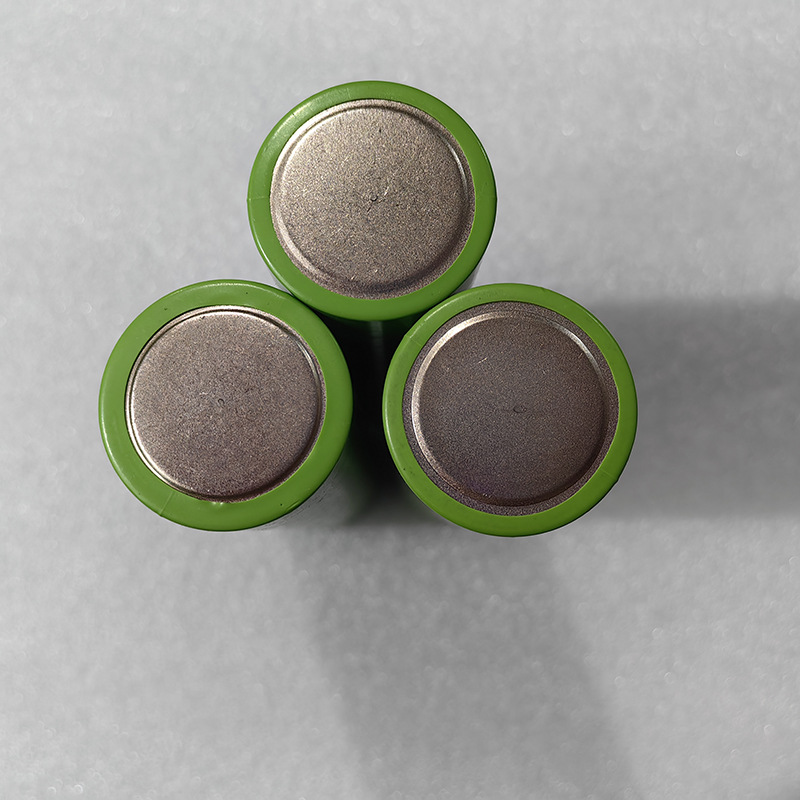
The 18650 cylindrical form factor (18mm diameter, 65mm length) offers optimal balance between energy density, thermal management, and manufacturing scalability. Each cell typically delivers 3.2V nominal voltage with capacity ranging from 2.5Ah to 3.5Ah depending on specific application requirements. When configured in series-parallel arrangements, these cells can achieve pack voltages from 48V to 96V systems commonly used in electric motorcycles.
Critical Certification Requirements for Global Market Access
UN38.3 Transportation Safety
UN38.3 certification remains mandatory for lithium battery transportation across all international shipping channels. This standard encompasses eight distinct tests including altitude simulation, thermal cycling, vibration, shock, external short circuit, impact, overcharge, and forced discharge. Our cylindrical battery cells undergo rigorous third-party testing to ensure compliance, enabling seamless logistics for overseas manufacturers.
UL Certification for North American Markets
UL 2271 and UL 2580 standards provide essential safety validation for battery systems destined for North American markets. These certifications verify electrical safety, mechanical integrity, and environmental resilience under extreme operating conditions. Technical procurement teams should verify UL certification marks on all battery shipments to avoid customs delays and liability exposure.
CE Marking for European Compliance
CE certification demonstrates conformity with EU health, safety, and environmental protection requirements. For electric motorcycle batteries, this encompasses EMC Directive 2014/30/EU and Low Voltage Directive 2014/35/EU compliance. Our manufacturing facilities maintain ISO 9001 quality management systems ensuring consistent CE-marked product delivery.
Technical Specifications for Electric Motorcycle Integration
| Parameter | Specification Range | Application Notes |
|---|---|---|
| Cell Capacity | 2.5Ah – 3.5Ah | Determines range per charge |
| Continuous Discharge | 3C – 5C | Supports acceleration demands |
| Peak Discharge | 10C (30 seconds) | Handles hill-climbing loads |
| Cycle Life | 2000+ cycles @80% DOD | Ensures 5+ year service life |
| Operating Temperature | -20°C to 60°C | Global climate compatibility |
| BMS Integration | CAN/RS485 Communication | Enables vehicle telemetry |
Quality Assurance and Manufacturing Excellence
Our production facilities implement automated cell sorting processes ensuring capacity matching within 2% tolerance across battery packs. This precision minimizes cell imbalance during charge-discharge cycles, extending overall pack longevity. Each 18650 cell undergoes 100% voltage and internal resistance testing before assembly.
Advanced laser welding techniques create robust interconnects capable of withstanding vibration levels exceeding 10Grms—essential for motorcycle applications experiencing continuous road-induced mechanical stress. Thermal interface materials between cells optimize heat dissipation during high-current discharge events.
Supply Chain Reliability for 2026 Production Planning
With global lithium supply chains stabilizing post-2024 disruptions, manufacturers can now secure long-term battery supply agreements with predictable pricing structures. Our vertical integration from raw material sourcing through final pack assembly provides transparency and traceability throughout the production process.
Lead times for certified 18650 LFP configurations typically range from 4-8 weeks depending on order volume and customization requirements. Sample evaluation units are available for engineering validation before production commitments.
Partnership Framework for Technical Teams
Engineering support extends beyond product delivery. Our technical team provides cell matching data, thermal modeling assistance, and BMS communication protocol documentation to accelerate integration timelines. Custom pack configurations accommodate unique chassis constraints while maintaining certification compliance.
For detailed product specifications and certification documentation, visit our cylindrical battery cell product page. Manufacturing capability information is available at battery manufacturers in China.
Conclusion: Securing Certified Battery Supply for 2026
The transition to electric motorcycles demands battery suppliers who understand both technical requirements and regulatory landscapes. Our UN38.3, UL, and CE certified 18650 LFP solutions provide the foundation for reliable, safe, and compliant electric two-wheeler production. Technical procurement teams should prioritize certification verification and supply chain transparency when selecting battery partners.
Contact our engineering team directly at https://cnsbattery.com/contact-2/ to discuss your 2026 production requirements and obtain sample units for validation testing. Guaranteed performance begins with certified components from qualified suppliers.